Rapid capital growth and hardware expansion
Helsing reached a €5 billion valuation in July 2024. The company raised €209 million in September 2023 and another €450 million in July 2024. In June 2025, a €600 million funding round led by Prima Materia valued the company at €12 billion. The latest funding in July 2026 saw the valuation hit $18 billion after an additional $1.8 billion raise involving JPMorgan Chase and Lightspeed Venture Partners. This capital supports 1,300 employees with offices in Munich, Berlin, London, and Paris. The company moved from software to hardware production including the HX-2 strike drone and the CA-1 Europa unmanned combat aerial vehicle. Torsten Reil and Gundbert Scherf founded the company in 2021. Reil previously founded NaturalMotion, a gaming company acquired by Zynga. In June 2025, Helsing acquired Grob Aircraft. In October 2025, the company acquired Blue Ocean, an Australian autonomous underwater vehicle developer. The company also signed a contract with the German government to provide loitering munitions worth between 300 million and 1 billion Euros. Germany intends to award a €580 million contract for Helsing to develop software for the Combat Fighter System Nucleus. The partnership with Rheinmetall ended in 2024, so the company now works with Auterion. In early 2025, the company agreed to provide 6,000 HX-2 strike drones to Ukraine following the delivery of 4,000 HF-1 strike drones. Does the scale of these acquisitions change the company’s software-first identity?
Technical specifications of autonomous systems
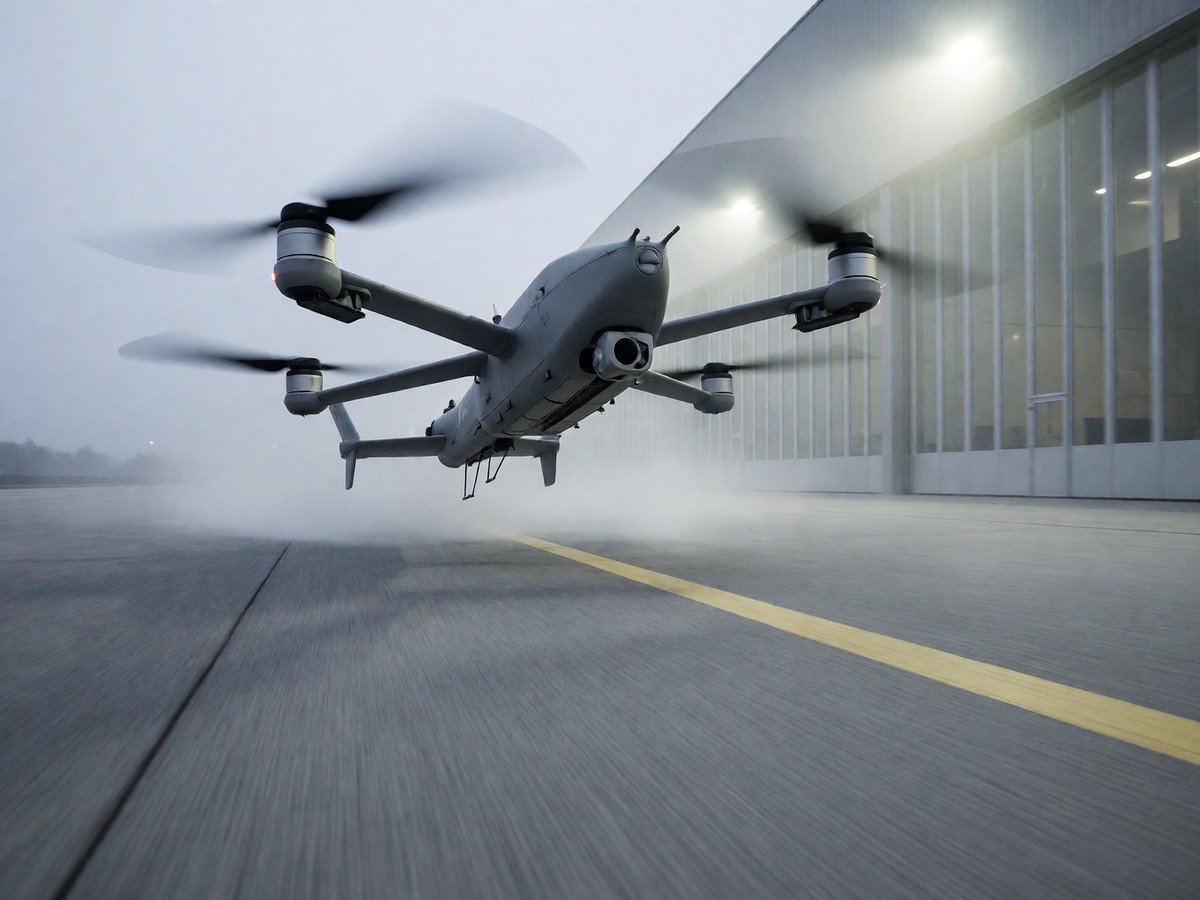
The HX-2 drone has a top speed of 250 km/h and operates over a 100 km range. The HX-2 has a quadcopter design with four wings and rotors in an X configuration and can reach a top speed of 250 km/h while carrying up to 5 kg of ammunition. The HX-1 is a cheaper version that uses a plywood fuselage. The CA-1 Europa is an autonomous unmanned combat aerial vehicle that weighs 4 tonnes and carries 500 kg of weapons over a range of 1,400 to 1,800 kilometers. This aircraft measures 11 meters in length and 10 meters in wingspan. The first flight for this aircraft is targeted for 2027 at the Grob Aircraft factory in Tussenhausen. In May 2025, Helsing announced a collaboration with Mistral AI to create vision-language-action models. The company also partnered with Loft Orbital to deploy a multi-sensor satellite constellation. Helsing’s software also upgraded the radar system of the Saab JAS 39 Gripen and integrates with the Eurofighter Typhoon EK onboard system.
| System | Capability/Spec |
|---|---|
| HX-2 Drone | 250 km/h top speed |
| HX-2 Payload | 5 kg ammunition |
| HX-2 Range | 100 km |
| CA-1 Europa Range | 1,400 to 1,800 km |
| CA-1 Europa Payload | 500 kg weapons |
| SG-1 Fathom Depth | 1,000 m |
| SG-1 Fathom Weight | 60 kg |
Anduril Industries uses its Lattice autonomy and battle management software to compete for US Army programs. Anduril has an $8 billion valuation and has raised $2.2 billion to date. You should note that Anduril’s co-founders previously worked at Palantir.
Combat performance and battlefield setbacks
The outcome of AI combat tests remains uncertain. In May and June 2025, the Project Beyond trial tested the Centaur AI agent in a Gripen E against a human-operated Gripen D. The result was inconclusive regarding performance superiority. While Helsing claims its AI fares better in simulated dogfights, the real-world trial gave no clear winner. The HX-2 drone also faced problems in Ukraine. A November 20 internal presentation from the German Defense Ministry noted the HX-2 had trouble taking off during tests by Ukraine’s 14th Regiment. The presentation said the model lacked some of the artificial intelligence tools it needed. Because of these setbacks, the Ukrainian government is holding off on additional HX-2 orders. The SG-1 Fathom drone can operate submerged for 90 days and reaches speeds of 2 knots. The Lura AI system processes acoustic data to detect and classify ships and submarines. The SG-1 Fathom is 2 meters long and weighs 60 kg. The drone can reach depths of 1,000 meters. The Altra software combines data from ISR drones, spotters, and other sources to give targeting info for indirect fire like mortars and artillery. Frank Dirksen stated that the HX-2 achieved an 88% mission success rate during a US Army exercise in Lithuania.