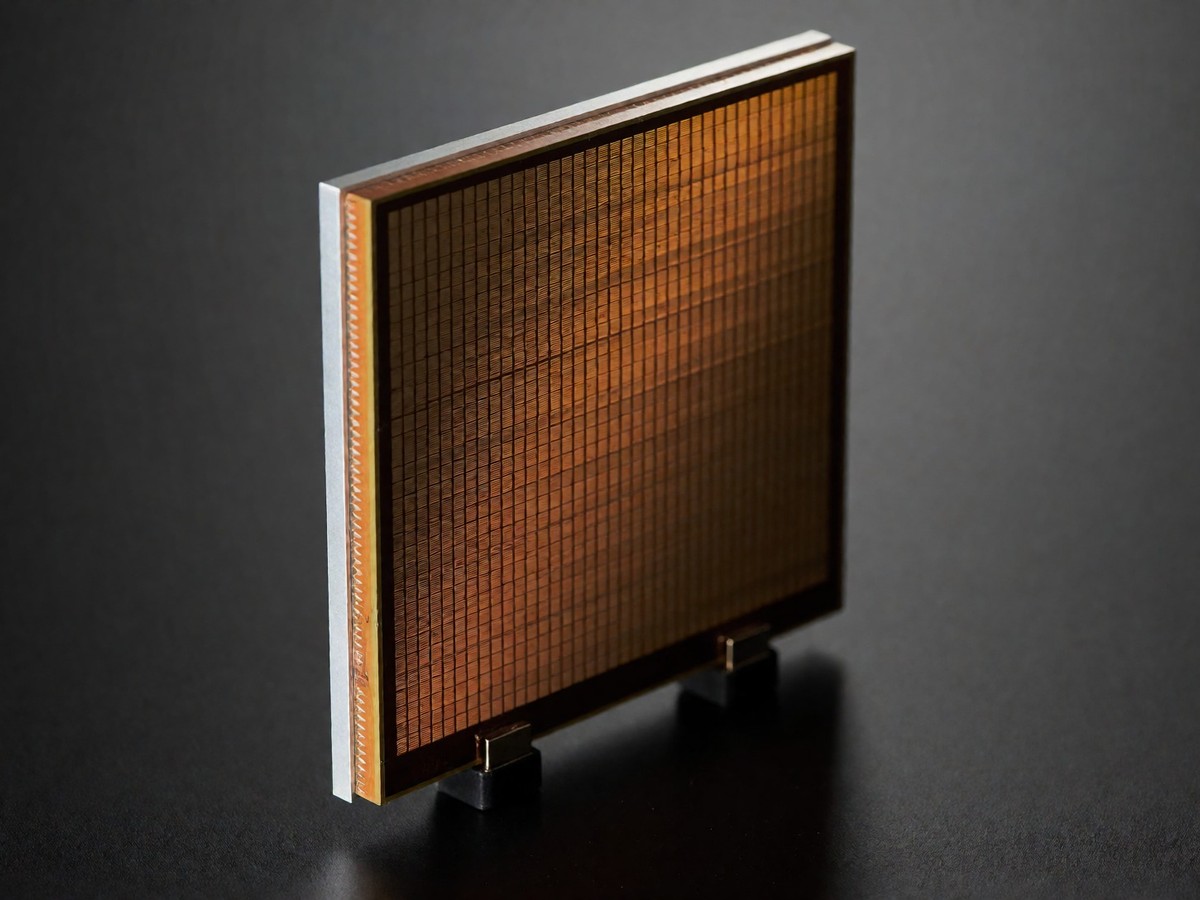
The Cerebras Wafer-Scale Cluster integrates 900,000 AI-optimized cores onto a single 12-inch silicon wafer, delivering 256 exaFLOPS of clustered performance. This architecture eliminates the need for complex distributed computing frameworks that traditionally shatter model efficiency across multiple chips. Instead, the system relies on linear scaling to train trillion-parameter models without the latency penalties associated with cross-device data movement. Users often fail to leverage this capability by applying standard multi-GPU parallelism strategies, which are irrelevant in a wafer-scale environment where data resides on-chip. The primary error is treating the cluster as a collection of independent nodes rather than a unified computational fabric.
Configuration Errors in the Software Stack
A critical mistake involves ignoring the specific hardware requirements for compilation. The documentation specifies minimum hardware resources for compiling models within the Cerebras environment, yet many teams attempt to run the compiler on underpowered host systems. This leads to failed builds or excessive wait times before training can even begin. Additionally, users frequently overlook the mixed precision settings required for optimal performance. The documentation explicitly notes to ensure you use mixed precision, as failing to do so wastes the massive memory bandwidth available on the WSE-3 chip. Without proper precision configuration, the system cannot fully exploit its 7,000 times greater memory bandwidth compared to traditional GPUs like the NVIDIA H100.
Another common oversight is the incorrect wrapping of PyTorch components. The Cerebras PyTorch API requires users to wrap their custom modules and dataloaders using the cerebras_torch namespace. Forgetting to specify the IP address of the Cerebras System or to wrap the training loop with cbtorch.Session results in immediate execution failures. The input to cbtorch.dataloader must be a standard PyTorch data loader, but it must be wrapped to allow the chief worker to manage data streaming effectively. Input workers multiplex data streams to keep the WSE busy, and misconfiguring this pipeline starves the processor of necessary data. Teams should verify that their code structure adheres to these minimal changes, as the goal is to extract information without imposing additional constraints on the user’s existing code structure.
Storage and Scaling Misconceptions
Training storage requirements differ fundamentally from inference needs, yet many teams budget for them identically. A 70-billion parameter model at 2 bytes per weight in bf16 plus roughly 12 bytes per parameter of Adam optimizer state writes a checkpoint near 980 GB per save. If a run saves every 30 minutes, the storage tier absorbs roughly 33 GB per minute of sustained writes before replication overhead. Most teams replicate checkpoints at least once, doubling the write load the moment durability matters. Ignoring this burst pressure causes ordinary NAS systems to lag, forcing GPUs to idle while waiting for storage to catch up. Training tolerates these pauses by restarting from the last checkpoint, but the time lost is significant.
Scaling beyond a single node introduces communication overhead that many engineers underestimate. While the CS-3 system supports near-linear performance scaling, adding more systems increases cross-device chatter faster than compute gains. Past a certain point, each additional unit buys more overhead than throughput. Users must check interconnect bandwidth between nodes and verify whether the framework is using RDMA or silently falling back to TCP. The SwarmX Interconnect allows scaling across up to 2,048 systems, but achieving quarter zettaflop performance requires precise topology management. If the bottleneck is the network rather than the compute units, scaling the cluster only creates a more expensive bottleneck. Measure what your existing systems are waiting on before expanding. How do you balance the cost of high-bandwidth interconnects against the diminishing returns of adding more wafer-scale units?