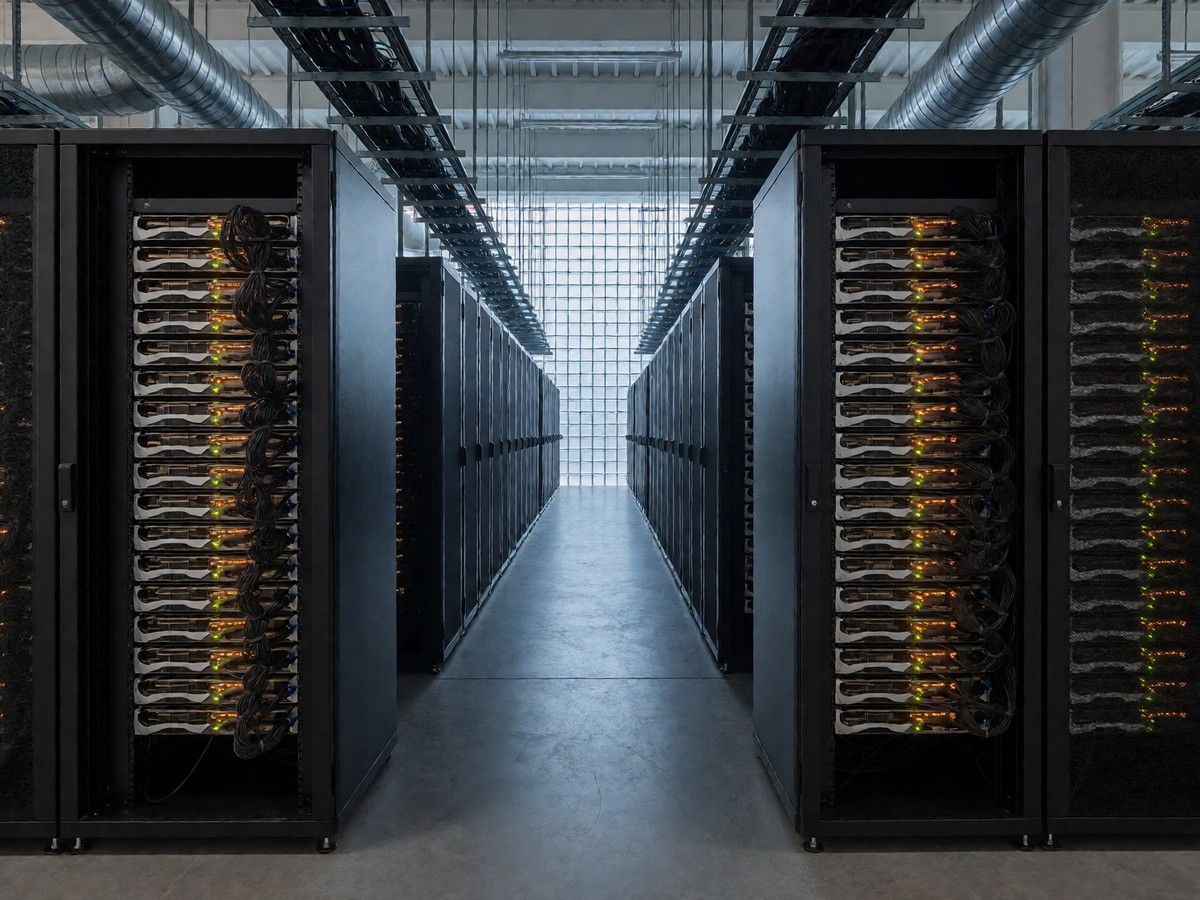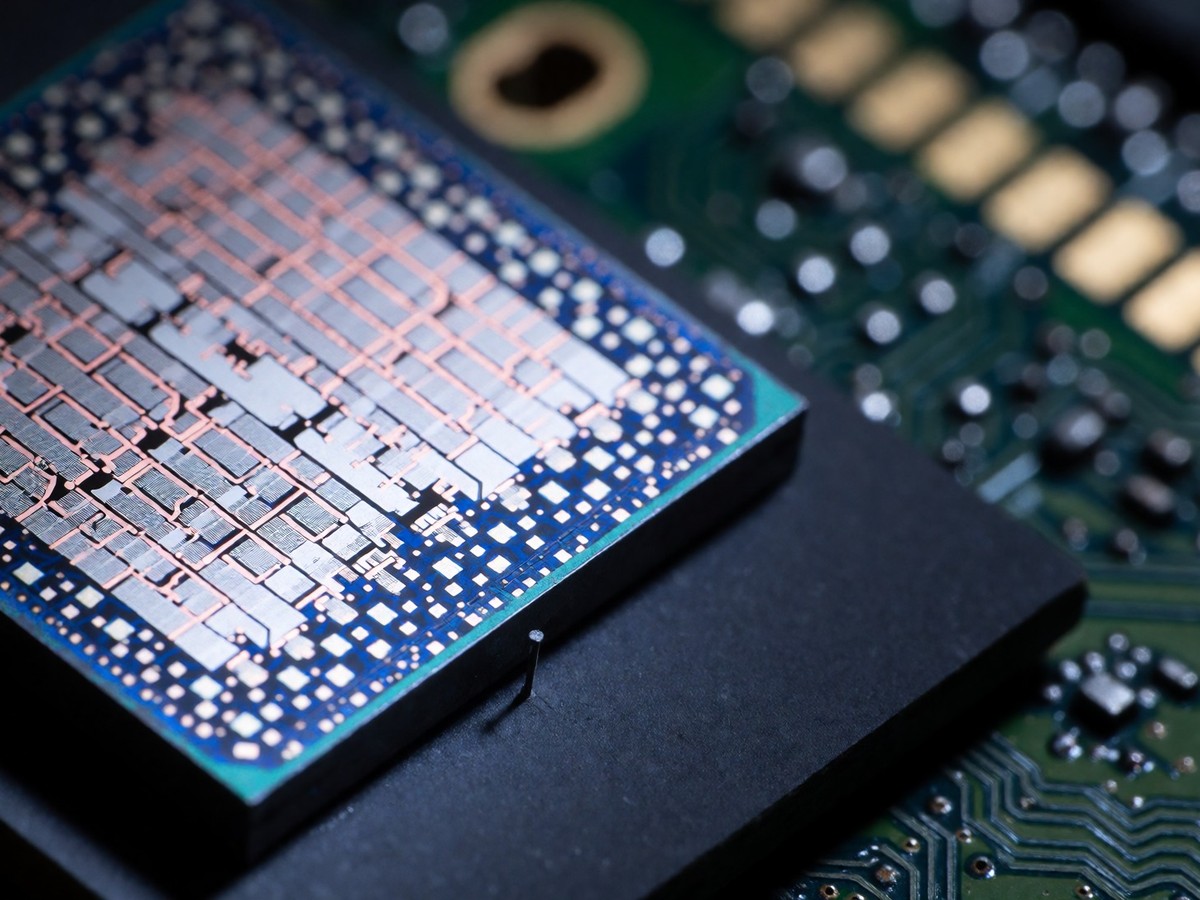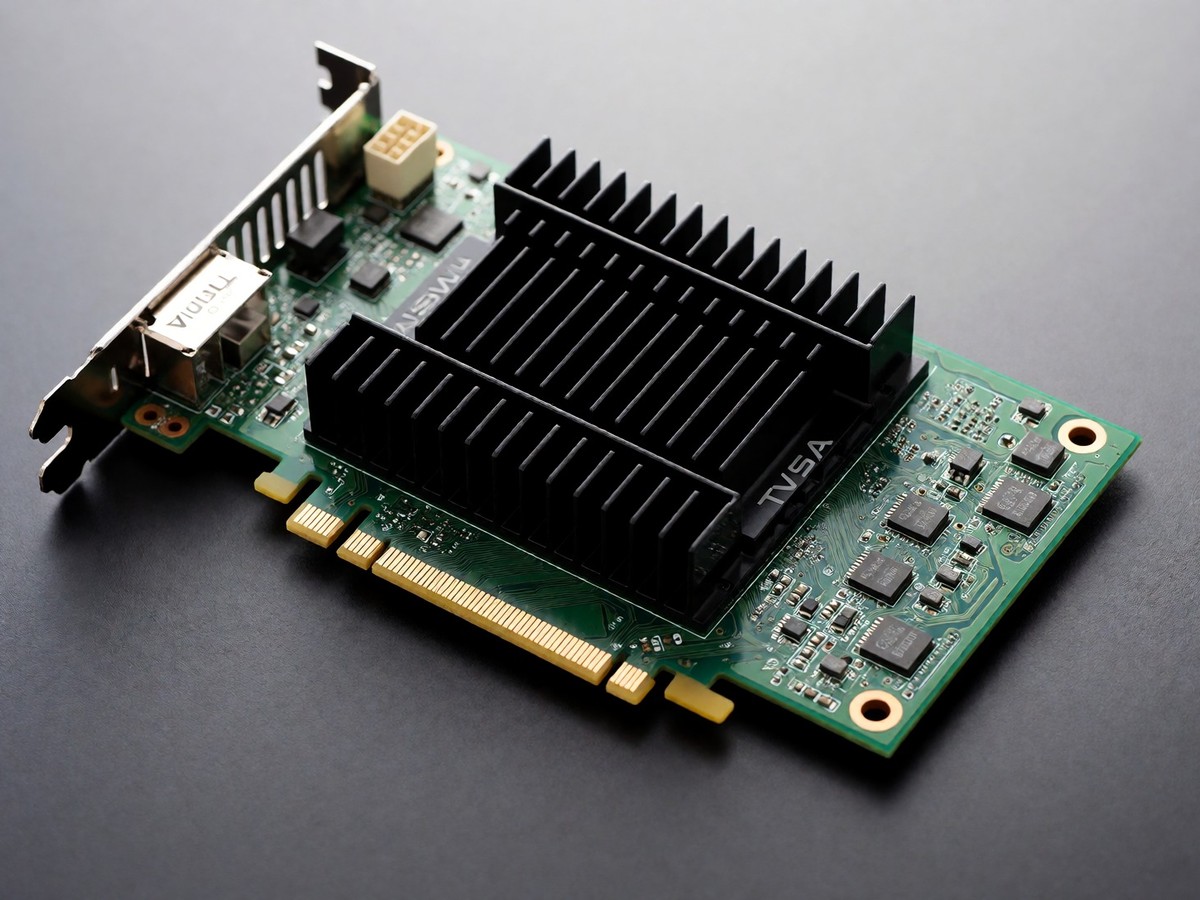
Cerebras Systems Inc. reports an annual revenue of 680.67 million dollars and a net loss of 487.24 million dollars. The company manages an intraday market capitalization of 19.411 billion dollars while maintaining a total cash reserve of 7.92 billion dollars to support the deployment of its massive wafer-scale AI infrastructure. This capital supports the production of the CS-4, a rack-scale solution that uses three WSE-3 Turbo processors. The CS-4 delivers inference speeds that are 30 times faster than GPU systems. This hardware targets enterprises and hyperscalers that want to deploy frontier models at production scale. Cerebras provides low-latency inference that is compatible with the OpenAI API. Its customers include companies like Notion, which uses the platform for enterprise search, and GSK, which uses it for drug discovery research. While the company helps developers build faster applications, its earnings per share remain at -5.14 dollars. The company also works with Oracle Cloud Infrastructure to provide deterministic compute options for building agents.
Founded in 2015 by Andrew Feldman, Gary Lauterbach, Michael James, Sean Lie, and Jean-Philippe Fricker, the company operates out of Sunnyvale, California. Early systems like the WSE-1 and CS-1 made the technology available in data centers worldwide. The CS-2 system was nearly 500 times faster than the National Energy Technology Laboratory’s Joule Supercomputer in field equation modeling. The WSE-2 was also honored by the Museum of Computing as an epochal achievement in chip-making. The company continues to expand its presence in North America and Europe.
Manufacturing dependency and the TSMC bottleneck
TSMC remains the largest non-US company by market capitalization as of June 30, 2026. The company holds approximately 70 percent of the global semiconductor foundry market and reported a revenue of 4.94 trillion dollars. In 2025, the company manufactured 12,682 different products using 305 distinct technologies for 534 different customers. These products support markets including high performance computing, smartphones, and the Internet of Things. TSMC operates several GIGAFAB facilities in Taiwan and subsidiaries in Arizona, Japan, and China. The company uses advanced technologies including extreme ultraviolet lithography to produce chips with process nodes as small as 3 nanometers. Because TSMC acts as a primary supplier for the AI industry, its role creates a supply chain bottleneck that could trigger a worldwide chip shortage if production at their major facilities fails. The company has a revenue compound annual growth rate of 17.4 percent since 1994.
Morris Chang founded the company in 1987 as a joint venture between the Taiwan government, the Industrial Technology Research Institute, and private investors. Philips provided $58 million and transferred production technology to enable scaling. The company is also expanding with a $12 billion plant in Arizona and a specialty technology fab in Germany that began construction in 2024. TSMC’s annual capacity for 12-inch equivalent wafers exceeded 17 million in 2025. You should realize that the scaling of such massive chips places extreme pressure on manufacturing precision.
Scaling AI inference and training performance
Cerebras designs systems that deliver high speed for AI applications. The Condor Galaxy 1 supercomputer has 54 million cores and 4 exaFLOPs of FP16 performance. This system was built in partnership with G42. Previous generations like the CS-2 cluster provided enough power for researchers at Argonne National Laboratory to win the Gordon Bell Special Prize. Current systems like the CS-4 deliver over 2,000 tokens per second for Scout. This speed is 30 times faster than closed models like ChatGPT or Anthropic.
| Feature | Specification |
|---|---|
| Cerebras CS-4 Inference Speed | 30x faster than GPUs |
| Scout Inference Speed | >2,000 tokens per second |
| Cerebras Annual Revenue | 680.67 million USD |
| Cerebras Net Loss | 487.24 million USD |
| TSMC Market Share | ~70% |
| TSMC 2025 Capacity | >17 million 12-inch wafers |
Does the rapid expansion of datacenter capacity in North America and Europe solve the latency issues for global users? Users can access these models through pay-as-you-go cloud offerings or on-premise installations. The company also received the HPCwire Readers’ & Editors’ Choice 2025 for the best AI product or technology. As agents take on more complex work, customers demand compute that matches each application’s performance needs. Cerebras helps companies like LiveKit create AI experiences that feel more human through ultra-low latency.