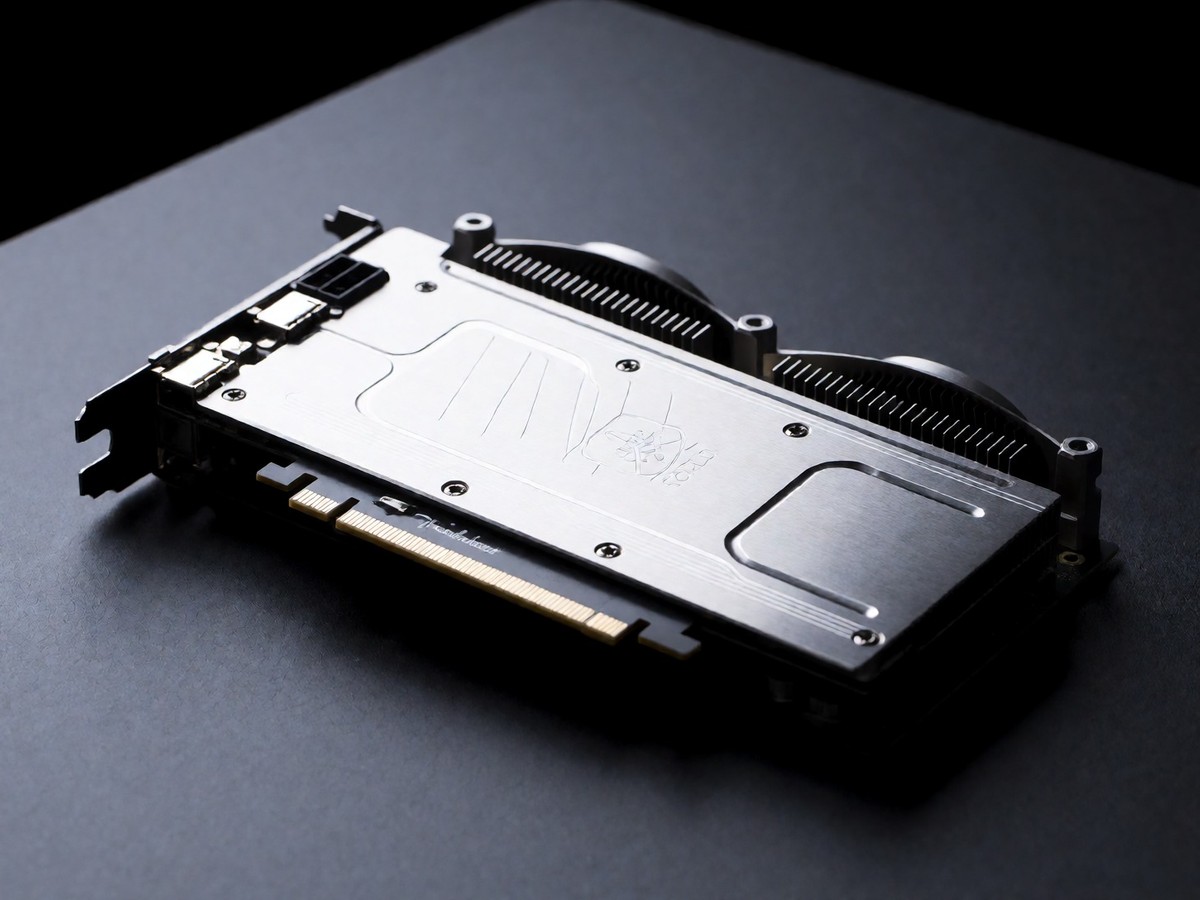
Groq’s LPU delivers 300 tokens per second on Llama-2 70B, a speed that justifies its premium for latency-sensitive applications. The hardware eliminates memory bottlenecks by storing weights in on-chip SRAM, which is 100x faster than the HBM used by GPUs. This architectural choice allows the compiler to schedule every operation deterministically, removing the stalls that plague traditional data centers. Consequently, the current generation LPU is 10x more energy-efficient than the most efficient GPU available today. While NVIDIA remains the default for training, Groq targets the 90-95% of resources dedicated to inference where real-time speed is mandatory.
The Silicon and System Cost Gap
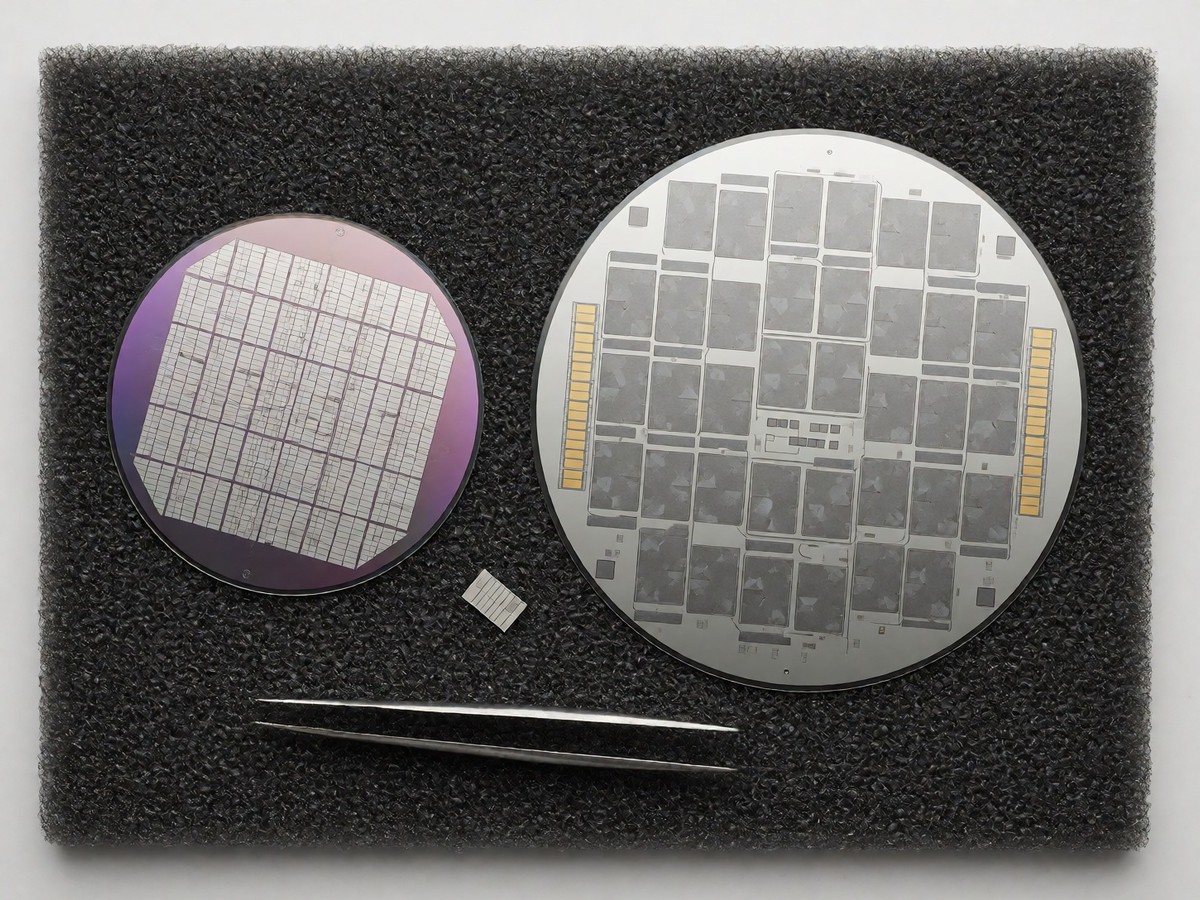
The raw bill of materials for a Groq chip is significantly lower than an NVIDIA H100, with wafer costs under $6,000 compared to roughly $16,000 for TSMC 4N wafers. However, the system architecture creates a massive capital expenditure hurdle because no useful model fits on a single Groq chip due to its limited 230MB of SRAM. Serving the Mixtral 8x7b model requires 576 chips across 8 racks, whereas a single H100 can handle the same workload at low batch sizes. This density disadvantage means Groq must rely on high throughput per user to justify the infrastructure spend. In throughput-optimized scenarios, NVIDIA systems achieve an order of magnitude better performance per dollar on a bill-of-materials basis. Groq is architecturally uncompetitive for bulk batch processing, where GPU economies of scale dominate the cost structure.
| Metric | Groq LPU | NVIDIA H100 |
|---|---|---|
| Memory Type | On-chip SRAM | 80GB HBM3 |
| Wafer Cost | <$6,000 | ~$16,000 |
| Chips for Mixtral | 576 | 1 (low batch) |
| Energy Efficiency | 10x higher | Baseline |
Token Pricing and Market Reality
GroqCloud charges $0.59 per million input tokens and $0.79 per million output tokens for Llama 3.1 70B, a rate that sits between cheap open-source options and frontier proprietary models. For a standard chatbot request with 500 input and 200 output tokens, this totals $0.000453 per request. By comparison, GPT-4o costs $0.00325 for the same profile, making Groq nearly seven times cheaper on a per-request basis for open-source models. The break-even point for self-hosting versus managed APIs shifts dramatically based on volume; above 150,000 requests per day for a 7B model, self-hosted GPU clusters typically win on cost. Yet, for sub-100ms latency requirements, Groq remains one of the only viable managed options alongside Cerebras. The market has already priced in the decline of GPU rental rates, with H100 spot prices falling from $4.80 per hour in early 2024 to $2.85 in mid-2026. This compression reduces the cost advantage of specialized inference chips over time. Does the deterministic speed of the LPU justify the complex multi-chip deployment when software optimizations like speculative decoding are squeezing GPU throughput? The answer depends entirely on whether your application can tolerate even a few hundred milliseconds of delay.