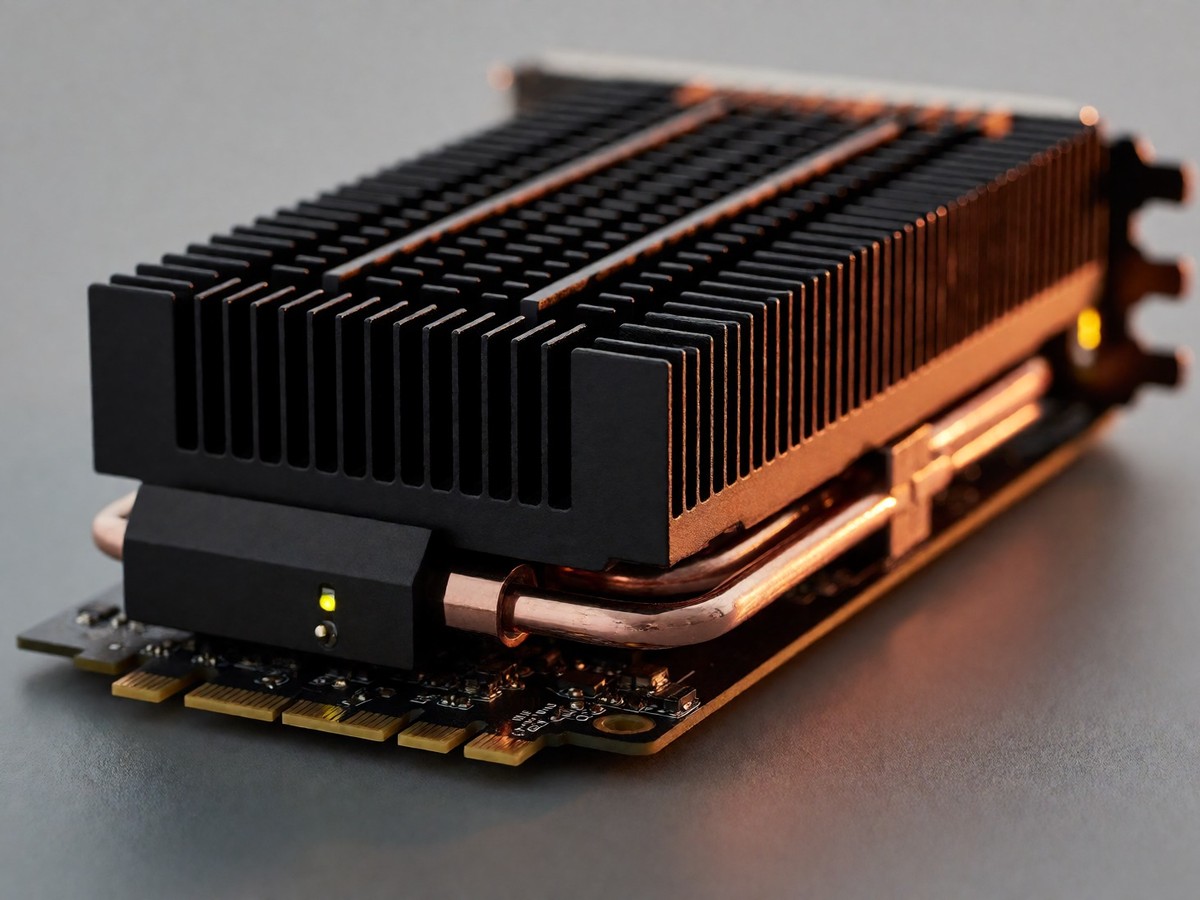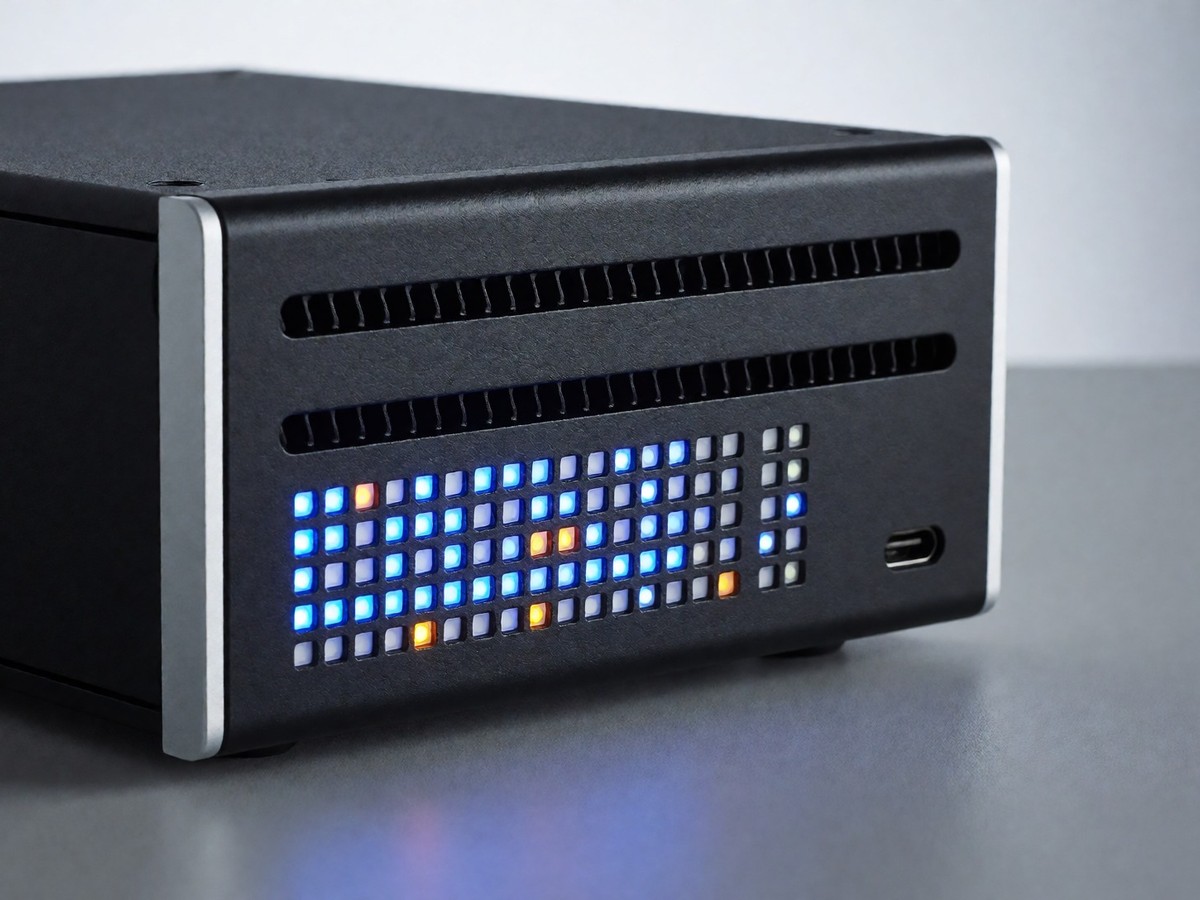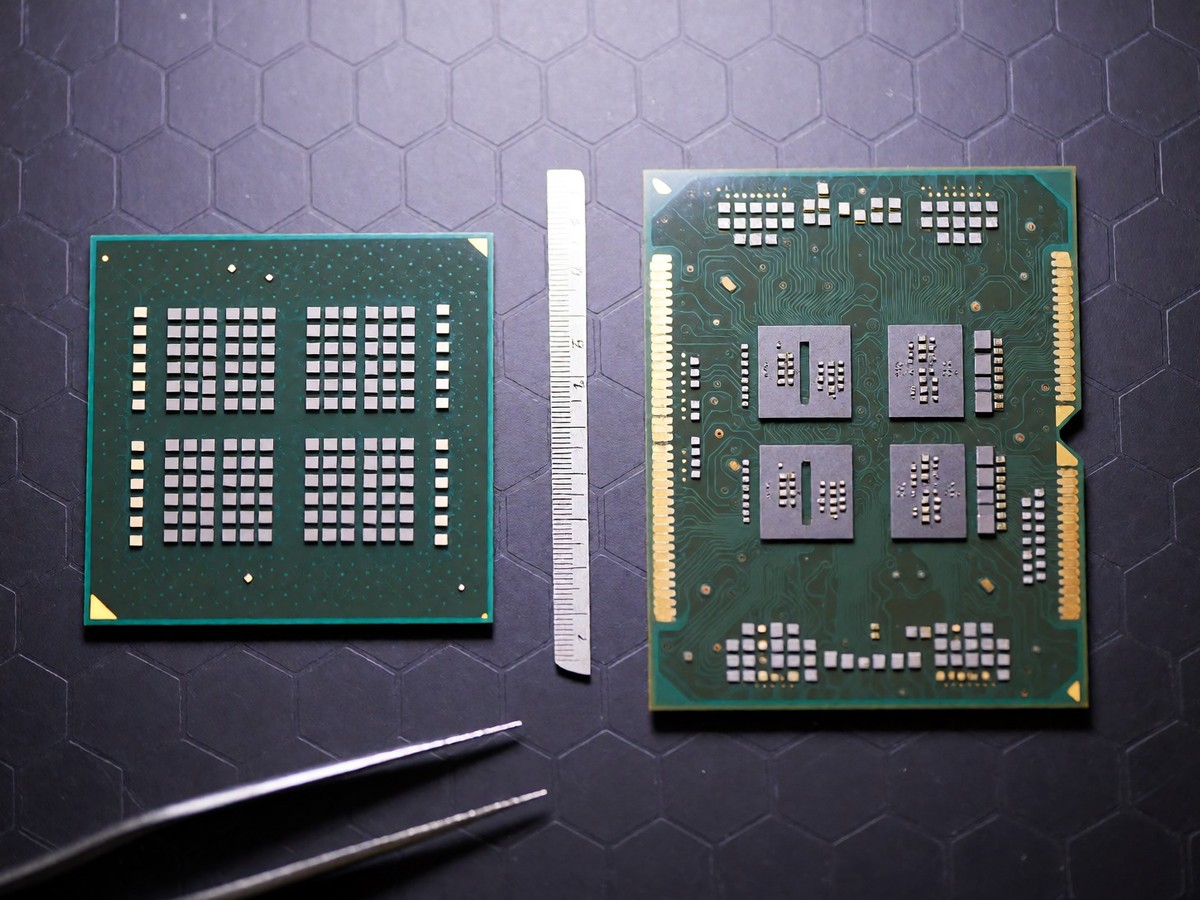
The Galaxy Blackhole AI compute platform reached general availability on April 28, 2026, delivering 23 petaFLOPS of Block FP8 compute for $110,000. This price point sits at roughly one-third to one-fifth the cost of an equivalent NVIDIA DGX configuration for inference-dominated workloads. I view this as a clear economic disruption in the hardware market. The system packs 32 Blackhole chips into a 6U enclosure with 6.2 gigabytes of aggregate on-chip SRAM. That memory operates at 2.9 petabytes per second of internal bandwidth, which is a massive advantage for latency-sensitive tasks.
Architectural Efficiency and Power Costs
Tenstorrent’s Tensix cores use a Network-on-Chip mesh to move data between local SRAM without touching DRAM. This design directly attacks the power inefficiency of NVIDIA GPUs during small-batch inference. When active weight matrices fit inside the distributed on-chip SRAM pool, the system runs inference without the high-bandwidth memory access that drains power budgets. The Grayskull e75 accelerator demonstrated this efficiency by reaching a peak of 1.55 TFLOPs/Watt with BF16 precision. While NVIDIA A100 and V100 GPUs dominate raw performance metrics, they consume significantly more energy per operation. For large-scale inference farms where electricity costs drive total ownership expenses, Tenstorrent’s architecture offers a compelling alternative. The software stack, TT-Metalium, requires programmers to explicitly manage data placement across the NoC. This complexity is a genuine barrier compared to the mature CUDA ecosystem that has accumulated nearly 20 years of developer support.
| Metric | Tenstorrent Galaxy Blackhole | NVIDIA H100 SXM (Cloud) |
|---|---|---|
| System Price | $110,000 | ~$45,000 per GPU |
| Compute | 23 PFLOPS (BF8) | 2.0k TFLOPS |
| Memory Bandwidth | 2.9 PB/s (SRAM) | 3.35 TB/s (HBM) |
| Energy Focus | High TFLOPs/Watt | High Raw TFLOPS |
Valuation and Market Strategy
Qualcomm is in advanced talks to acquire Tenstorrent at a valuation between $8 billion and $10 billion. This premium reflects the scarcity of RISC-V based AI accelerator architectures that can challenge NVIDIA’s dominance. The company raised $1.5 billion to deploy Galaxy globally, signaling confidence in its commercial viability. However, the acquisition carries significant talent risk, as Jim Keller has a documented pattern of leaving public companies after two to four years. If he departs, Qualcomm retains the Tensix IP and Ascalon CPU designs but loses the architectural leadership. The current cloud pricing landscape shows NVIDIA H100 rentals ranging from $1.49 to $6.98 per hour depending on the provider. Tenstorrent’s fixed-cost server model removes the per-hour meter, which benefits sustained training workloads. Yet, independent benchmarks for production inference workloads do not yet exist to verify the claimed performance advantages. Does the architectural edge justify the steep entry price for enterprises locked into CUDA? I leave that question unanswered because the data simply isn’t there yet.