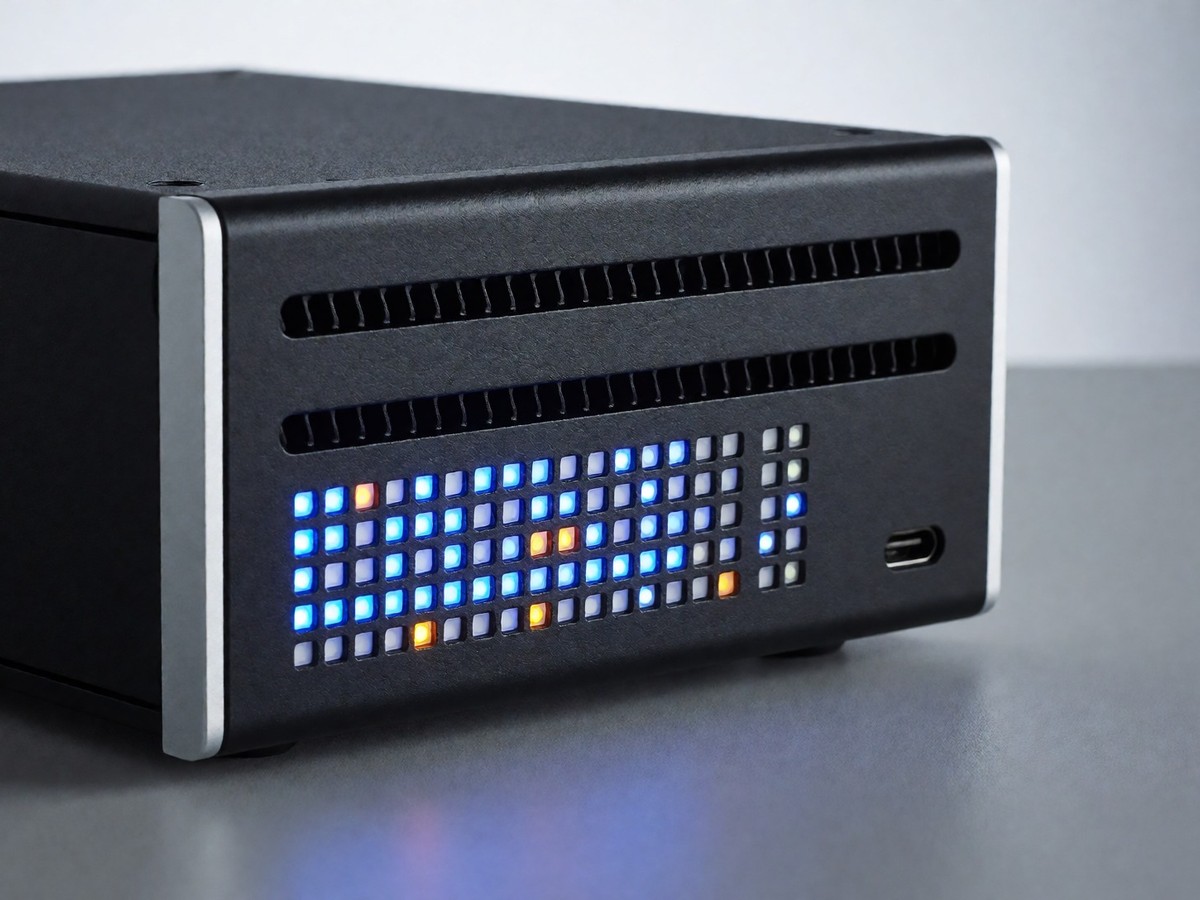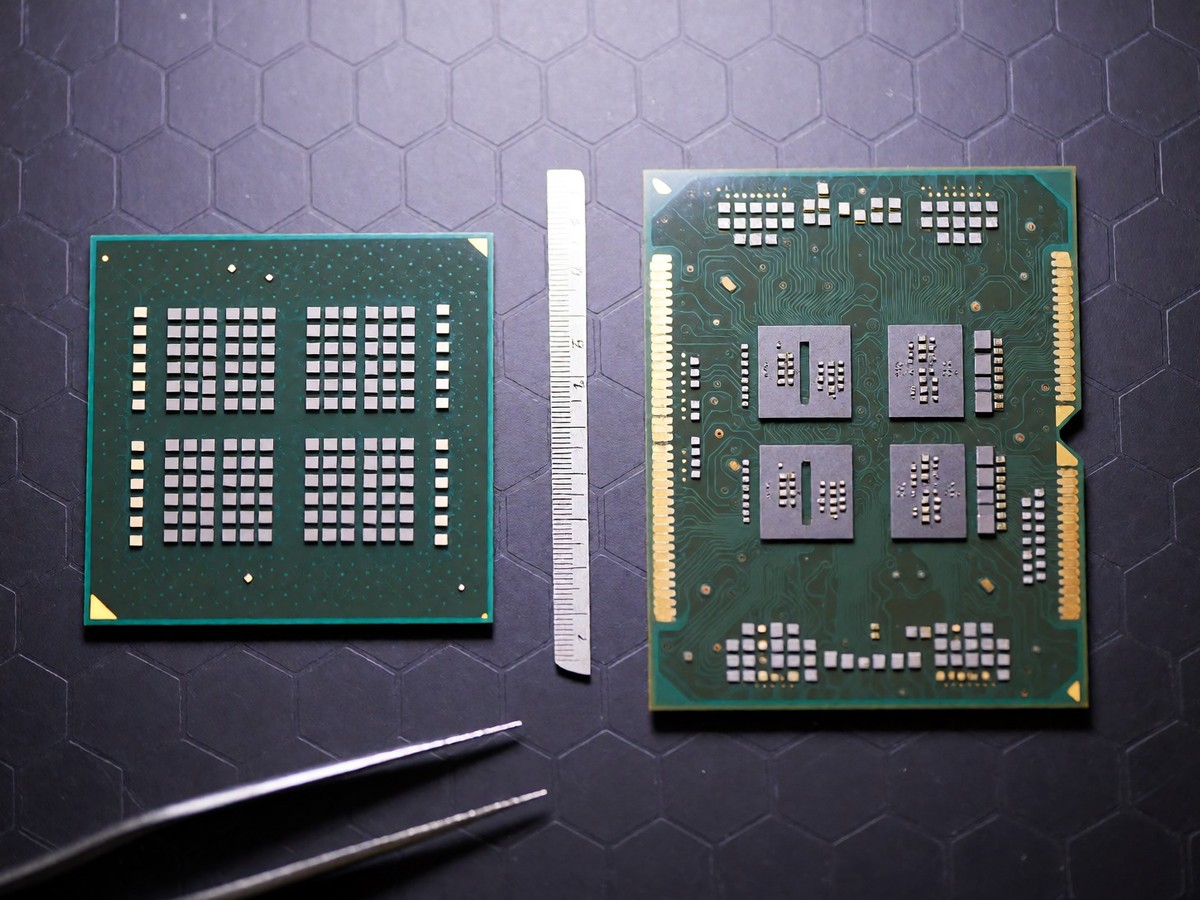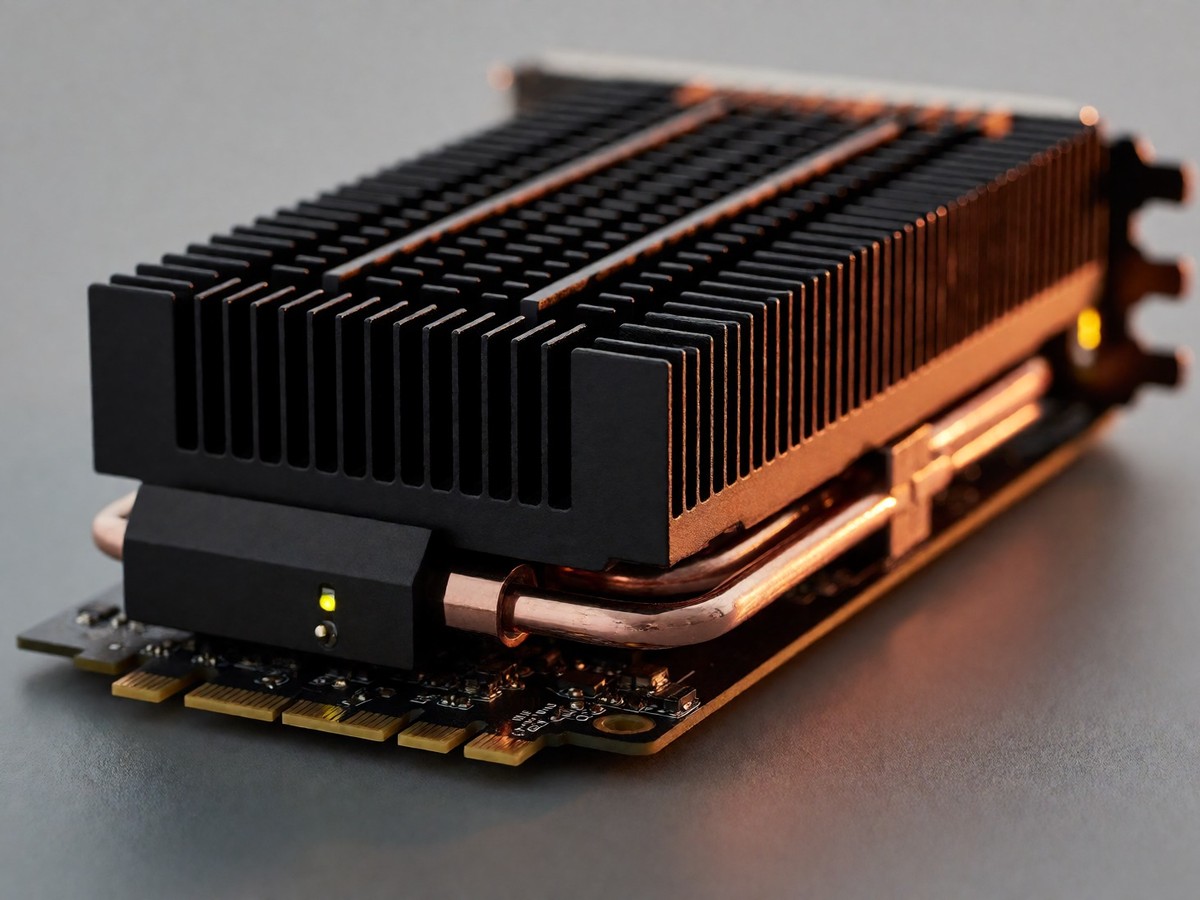
The SambaNova SN40L chip, built on TSMC 5 nm technology, delivers 688 FP16 Tflop/s but lacks additional acceleration for INT8 inference data types. This limitation makes the hardware best suited for training workloads rather than high-throughput inference tasks. The Reconfigurable Dataflow Unit (RDU) design uses a three-tier memory system comprising on-chip distributed SRAM, on-package HBM, and off-package DDR DRAM. Model parameters reside in DDR, while actively used models are cached in high bandwidth memory. On-chip streaming dataflow enables operator fusion where entire decoder blocks fuse into a single kernel call, eliminating synchronization costs between consecutive calls. A single rack of 16 SN40L RDUs serves the Deepseek-R1 671B model at 198 tokens/s, achieving over 75% of peak performance during token generation.
Memory hierarchy and dataflow constraints
Understanding the distinct roles of each memory tier is essential to avoid configuration errors that degrade throughput. Placing large static weights in HBM instead of DDR wastes expensive capacity that should serve dynamic KV caches or active model slices. The RDU architecture relies on "streaming dataflow" to move data through the environment at a very fast pace, flushing it like a river through its own environment. If developers attempt to use standard GPU-centric kernels that assume fixed memory layouts, they will fail to exploit the automatic operator fusion capabilities of the chip. The system achieves its speed by transforming multiple kernel calls into a single modified kernel containing a pipelined outer loop, which requires careful alignment of data streams to prevent pipeline stalls.
A critical mistake is assuming that the lack of INT8 acceleration means the chip cannot handle inference efficiently for specific floating-point formats. The SN40L targets large AI models primarily for training, as its initial customers use the machines for High-Performance Computing (HPC). While the chip supports FP16 operations effectively, expecting parity with NVIDIA’s INT8 TOPS performance leads to incorrect workload placement. Users must map their processes to available resources carefully, ensuring that no two processes share the same RDU device, as this causes contention that the dataflow engine cannot resolve. The recommended approach is to create one process per module replica to maximize the efficiency of the reconfigurable fabric.
PyTorch DDP integration pitfalls
When integrating PyTorch DistributedDataParallel (DDP) with SambaNova systems, users often overlook the requirement for consistent initial parameters across all replicas. If training starts from random values without broadcasting the state from rank 0, global gradient synchronizations become meaningless because the models diverge immediately. DDP handles the complexity of data distribution and gradient averaging, but it requires the user to initialize the process group correctly using the nccl backend for high-performance communication. The init_process_group function must specify the correct world size and rank for each process to establish the necessary collective communication channels.
Skewed processing speeds represent another significant failure mode in distributed setups. Different processes must reach synchronization points in the same order and at roughly the same time; otherwise, fast processes timeout waiting for stragglers. Network delays or resource contentions can cause these discrepancies, so passing a sufficiently large timeout value when calling init_process_group is mandatory to avoid crashes. Additionally, saving checkpoints only on one process and loading them to all others reduces write overhead, but users must provide an appropriate map_location argument to prevent processes from stepping onto other devices.
| Feature | SN40L Specification |
|---|---|
| Process Node | TSMC 5 nm |
| FP16 Performance | 688 Tflop/s |
| Memory Tiers | SRAM, HBM, DDR |
| Inference Acceleration | No INT8 support |
| Primary Use Case | Training / HPC |
Developers should verify that their DataLoader uses a DistributedSampler to ensure each process receives a unique portion of the dataset. Without this, duplicate data processing wastes compute cycles and skews the gradient aggregation. The combination of RDU dataflow and DDP demands strict adherence to these synchronization and memory management protocols to realize the full potential of the hardware.