The Bristol origins and the IPU vision
Nigel Toon and Simon Knowles founded Graphcore in Bristol in 2016. They previously sold Icera to NVIDIA for $435 million in 2011. Icera specialized in advanced 3G cellular modem chips. In 2012, Toon and Knowles discussed what they could build to beat NVIDIA. They believed that existing CPUs and GPUs struggle to mimic human intuition because they consume too much energy while processing data. Instead, they designed Intelligence Processing Units to handle AI workloads more efficiently. Toon and Knowles wanted to build a high-performance computer that manipulates numbers imprecisely to improve efficiency. Hermann Hauser supported the founders to develop this third wave of computing, following the emergence of CPUs in the 1970s and GPUs in the 1990s. The company began its project in stealth mode in 2013 before its 2016 launch in the Silicon Gorge region. Bristol is often called a Deep Tech Powerhouse. Graphcore raised more than $710 million across six funding rounds since its inception. In 2018, the company reached a $1.7 billion valuation after a $200 million Series D. In 2020, the company raised $222 million at a $2.8 billion valuation.
Hardware performance and the struggle against NVIDIA
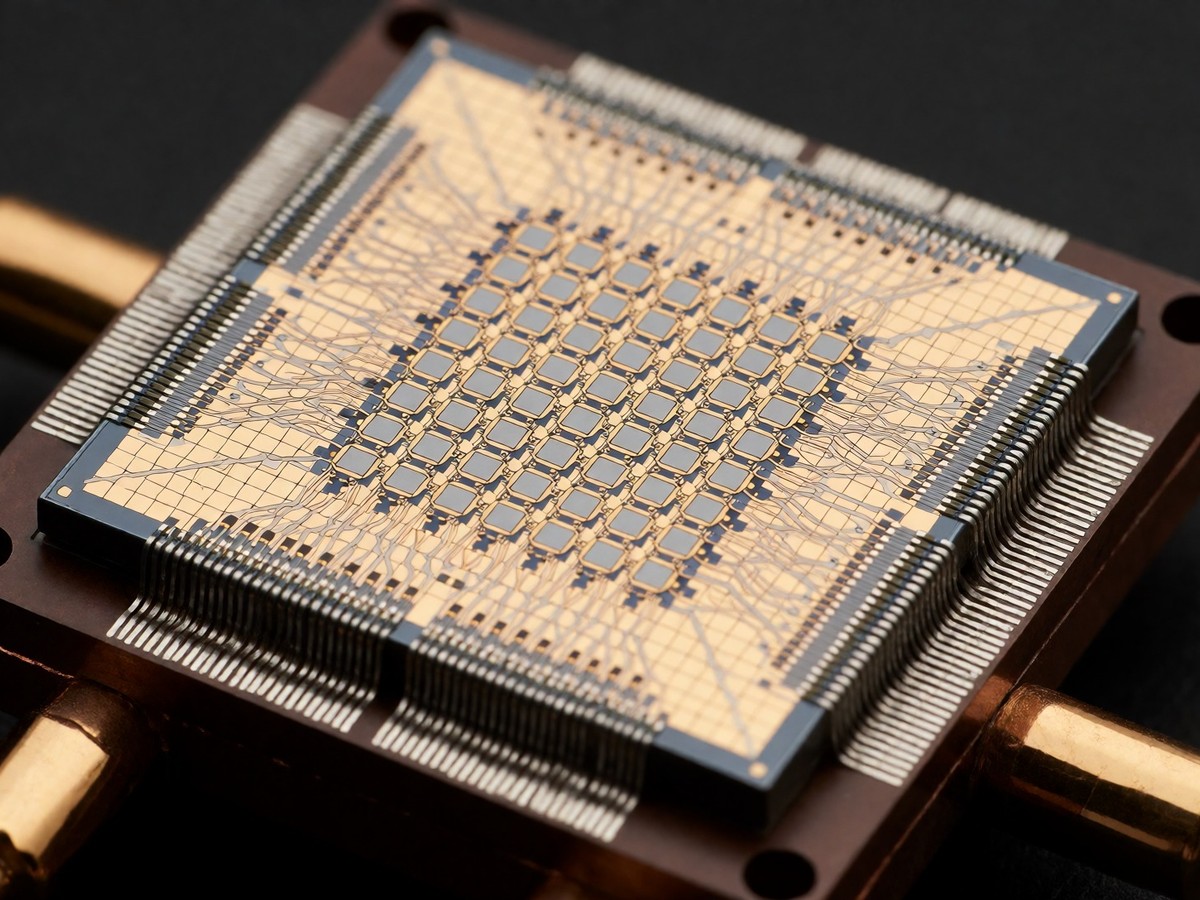
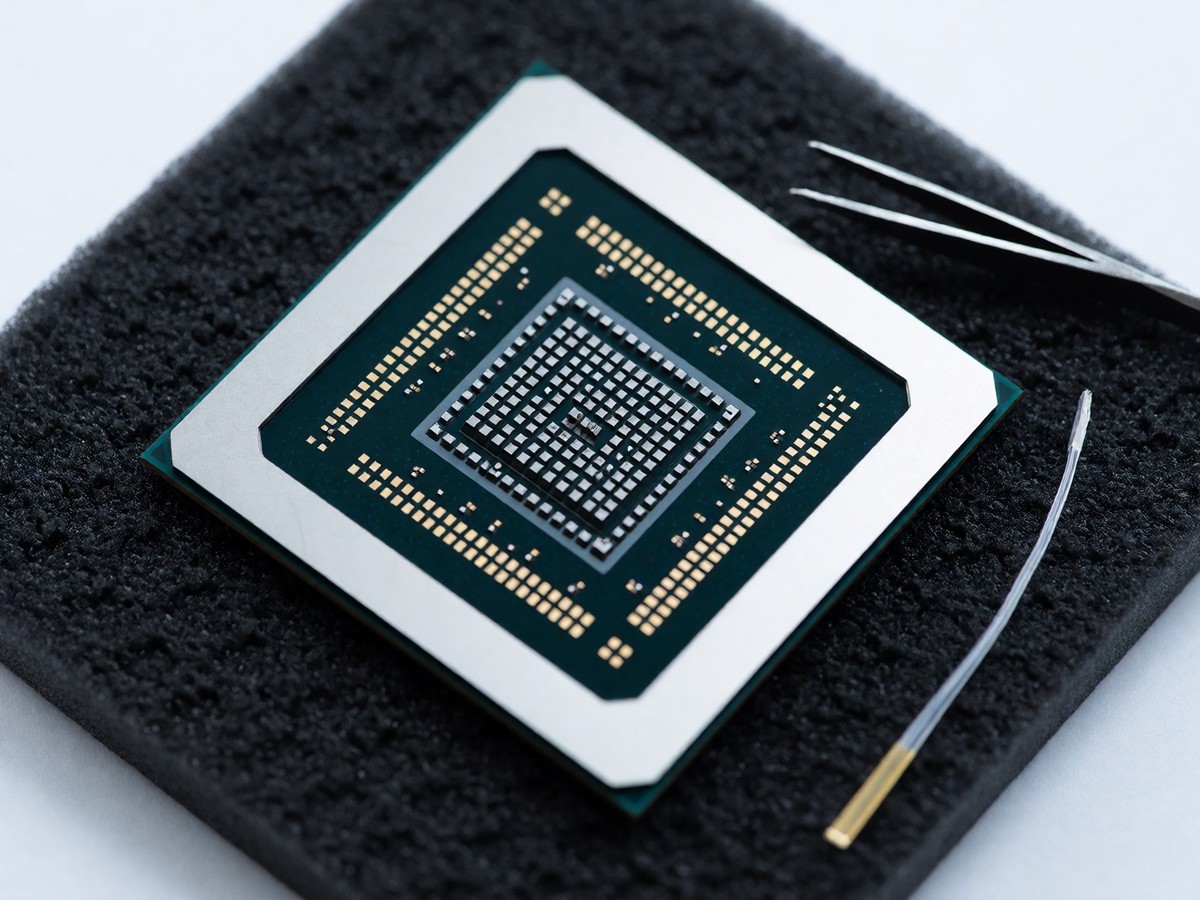
Graphcore hardware relies on parallel processing to handle multiple instruction and data streams. The Colossus MK2 GC200 chip uses a 7-nanometer manufacturing process and contains 59.4 billion transistors, which is more than the 54 billion transistors found in the NVIDIA A100 GPU. This chip manages 1,472 independent processor cores and 8,832 parallel computing threads. You should know that NVIDIA maintains its lead through the CUDA software ecosystem, which makes it easier to develop software for GPUs than for IPUs. The Colossus MK2 GC200 delivers 560 TFLOPS of FP8 performance and 280 TFLOPS of FP16 performance at 185W. This performance level compares to the 312 TFLOPS of FP16 performance provided by the NVIDIA A100. In contrast, NVIDIA’s H100 card offers 3,341 FP8 TFLOPS. The chip includes 900 megabytes of in-processor memory spread across the die and up to 256 gigabytes of streaming memory. This memory is managed through a process called memory exchange, which enables AI models to load into the processor’s onboard memory before the system needs it.
| Spec | Colossus MK2 GC200 | NVIDIA A100 |
|---|---|---|
| Transistor Count | 59.4 billion | 54 billion |
| Processor Cores | 1,472 | – |
| Parallel Threads | 8,832 | – |
| FP16 Performance | 280 TFLOPS | 312 TFLOPS |
| FP32 Performance | 70 TFLOPS | 19.5 TFLOPS |
The company sells the IPU-Machine M2000, which packs a petaFLOP of AI compute performance. This system supports up to 450 gigabytes of memory with a bandwidth of 180 Tb/s. Graphcore also developed the IPU-Fabric using standard quad small form factor pluggable transceivers to allow customers to connect 64,000 IPUs together in IPU-Pod systems. This network provides communication performance that scales to several petabits per second. The M2000 was available for pre-order for $32,450. The chip uses Multiple Instruction, Multiple Data architecture, where multiple processors operate independently and execute different instructions on different sets of data simultaneously. This architecture helps the chip perform well when tasked with complex AI models like ResNeXt and EfficientNet.
Financial restructuring and the SoftBank acquisition
Graphcore faced financial pressure when its revenue fell 46% to $2.7 million in 2022. Losses grew 11% to $204.6 million in that same year. At the end of 2021, the company had accumulated losses of $436 million. The company also reduced its staff from 631 in 2021 to 494 in 2022. Graphcore previously closed operations in Norway, Japan, South Korea, and other countries. Management also faced difficulties when a deal with Microsoft collapsed due to software issues. CEO Nigel Toon noted that the company was in an expensive incubation phase. In 2023, Graphcore confirmed it would stop sales in China because of U.S. export controls. Toon previously stated that China accounted for 20% to 25% of the company’s business. Sequoia Capital wrote down its stake in the startup to zero. The company generated $4 million in revenue in 2023. SoftBank acquired Graphcore in July 2024 for approximately $500 million to $600 million. This acquisition price sat far below the $2.8 billion valuation the company held in 2020. In 2026, SoftBank injected $457 million into the business to support its next phase. Graphcore now operates as a wholly owned SoftBank subsidiary and opened an AI engineering campus in Bengaluru. The company disclosed forecasts for 2027 that it would need to raise more capital to break even. Will the company ever regain its status as a primary challenger to NVIDIA?