Converging on 3D photonic paths
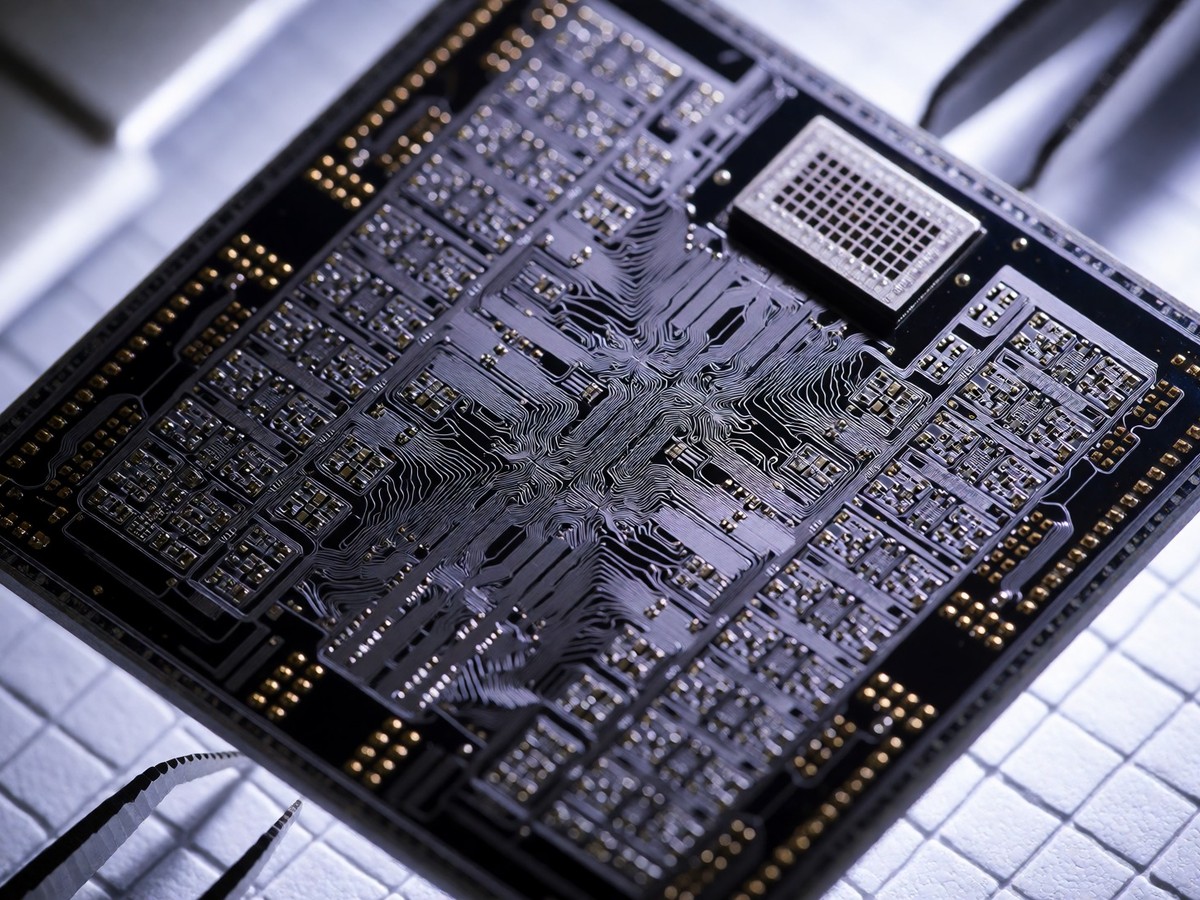
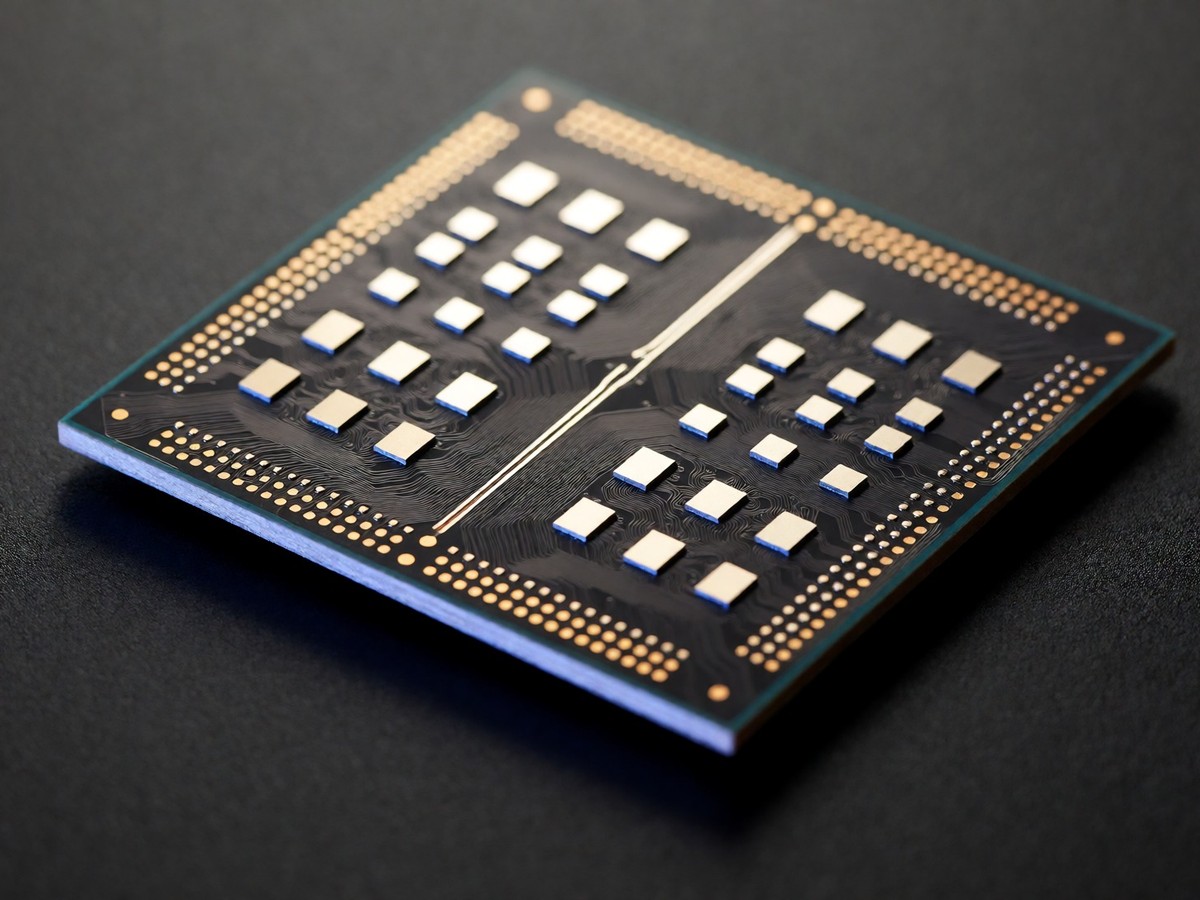
NVIDIA aims for a full transition to co-packaged optics (CPO) by 2026 to replace traditional electrical signals with light. This shift addresses the physical limits of copper cables, which fail to support the 800 Gbit/s speeds required for massive AI clusters. I see a direct convergence between NVIDIA’s "Optics-on-Interposer" research and Lightmatter’s Passage platform. While NVIDIA’s research prototype places optical engines on the same silicon interposer as the GPU, Lightmatter uses a 3D photonic interposer that sits beneath the processor. This geometry helps engineers escape the limitations of shoreline-bound interconnects. Lightmatter and Cadence now collaborate to combine high-speed SerDes and UCIe IP with the Passage engine to build manufacturing-ready CPO for hyperscale AI. NVIDIA’s NVLink 6 protocol defines 400G SerDes per lane as the peak transmission rate, with a bandwidth ceiling of 3.6 TB/s per GPU. Because electrical signals degrade rapidly over distance, copper interconnects hit a limit of less than one meter.
Passage M1000 specifications and competition
The Passage M1000 delivers 114 Tbps of optical bandwidth, which provides 5 to 10 times more I/O than chip-to-chip electrical interconnects. Lightmatter claims its technology achieves 4.6 pJ/bit, a 3.5 times power reduction compared to the ~15 pJ/bit required by legacy copper. Unlike competitors who place optical chiplets in limited space beside the die, the M1000 provides "edgeless I/O" across the entire die area. It also includes built-in solid-state optical circuit switching, a feature no competitor currently offers. You should note that the M1000 remains pre-revenue with no confirmed customer deployments as of March 2026. This product is a direct alternative to Ayar Labs’ TeraPHY, which offers 8 Tbps per chiplet, or Celestial AI’s Photonic Fabric, which provides 14.4 Tbps. Lightmatter maintains manufacturing partnerships with GlobalFoundries, Amkor, GUC, and ASE to support production at scale. The platform uses compact, embedded channels called waveguides to transit light beams. These 40 waveguides take up as much space as a single optic fiber, and integrated transistors coordinate the data traffic. Lightmatter holds a $4.4 billion valuation after raising $850 million total, including a $400 million Series D round led by T. Rowe Price. The company employs approximately 165 people.
| Spec | Passage M1000 |
|---|---|
| Total Optical Bandwidth | 114 Tbps |
| Die Area | 4,000+ mm2 |
| Integrated Chiplets | 34 |
| SerDes Lanes | 1,024 |
| Optical Fibers | 256 |
| Power Delivery | 1.5+ kW |
| Wall-Plug Efficiency | 4.6 pJ/bit |
| Key Innovation | Built-in solid-state optical circuit switching |
The L200 is 32 Tbps of bidirectional bandwidth and over 200 Tbps of total I/O per chip package. The L200X provides 64 Tbps of bidirectional bandwidth and over 200 Tbps of total I/O per chip package. Lightmatter also developed the Passage L20, which provides 6.4 Tbps of optical bandwidth in each direction on a single fiber using 224G PAM4 interfaces. Through a collaboration with Qualcomm, Lightmatter achieved 1.6 Tbps of bandwidth per fiber by combining the Passage 16 wavelength optical engine with 112G PAM4 SerDes.
NVIDIA roadmap and thermal constraints
NVIDIA plans to launch its Quantum-X InfiniBand switch in early 2026 with 115 To/s total bandwidth across 144 ports, providing 800 Go/s per port and 14.4 TFLOPS of networking compute capacity to satisfy hyperscale demand. This follows the second-half 2026 launch of the Spectrum-X Ethernet platform, specifically the SN6810 and SN6800 models. The SN6810 provides 102.4 To/s with 128 ports, while the SN6800 provides 409.6 To/s with 512 ports. These systems use TSMC’s COUPE 3D packaging to stack logic and photonics. NVIDIA’s move to CPO reduces signal loss from 22 dB to 4 dB and drops power consumption from 30 watts to 9 watts per port. NVIDIA integrates 200G PAM4 micro-ring modulators (MRMs) onto the silicon photonics die to increase optical engine bandwidth density while keeping the size small and reducing power use. However, a problem exists for any architecture that shares a plane between a high-power compute die and temperature-sensitive photonics. Does the interposer win with new cooling, or does heat push the optics back off the package? NVIDIA’s relationship with Lightmatter is unclear, as the company has its own photonics roadmap and could act as a collaborator or a competitor. NVIDIA also invested US$4 billion into Lumentum and Coherent to secure advanced laser and optical components. TrendForce expects CPO penetration in AI data centers to reach 35% by 2030.