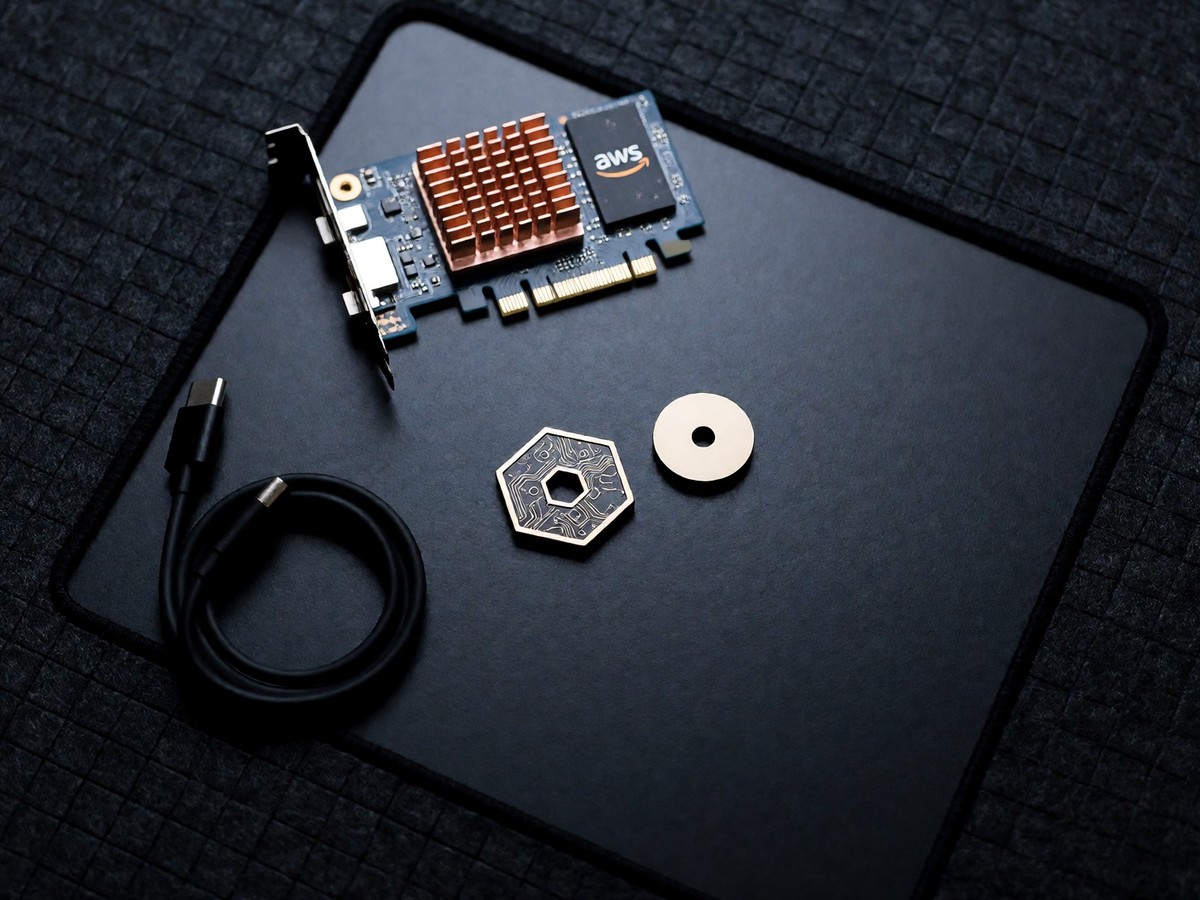
I see Tesla abandoning its dedicated Dojo supercomputer team to concentrate resources on a single architecture for its AI5 and AI6 processors. Reports indicate the company is disbanding the Dojo team and reassigning its staff to other data centers and compute projects. Project head Peter Bannon and roughly 20 employees left the company to join DensityAI, a startup founded by former Tesla executives. This shift follows Elon Musk’s statement that dividing resources between two different AI chip designs makes no sense. The company will now increase its reliance on outside partners like Nvidia, AMD, and Samsung Electronics for compute. Musk noted that mounting many AI5 or AI6 chips on a single board could reduce network cabling complexity and costs by several orders of magnitude. This setup would create what he calls Dojo 3. Dojo was built to train machine-learning models for Tesla’s Autopilot and Full Self-Driving systems, as well as its Optimus humanoid robot, by processing data from its vehicles. Musk previously described Dojo as a "long shot worth taking" and noted that it takes three major iterations for a new technology to be great. While Dojo 2 is expected to come online later this year, Musk claims Dojo 2 is good, but Dojo 3 will be great. This transition follows a wave of senior departures this year, including Milan Kovac, head of engineering for Optimus, David Lau, vice president of software engineering, and Omead Afshar.
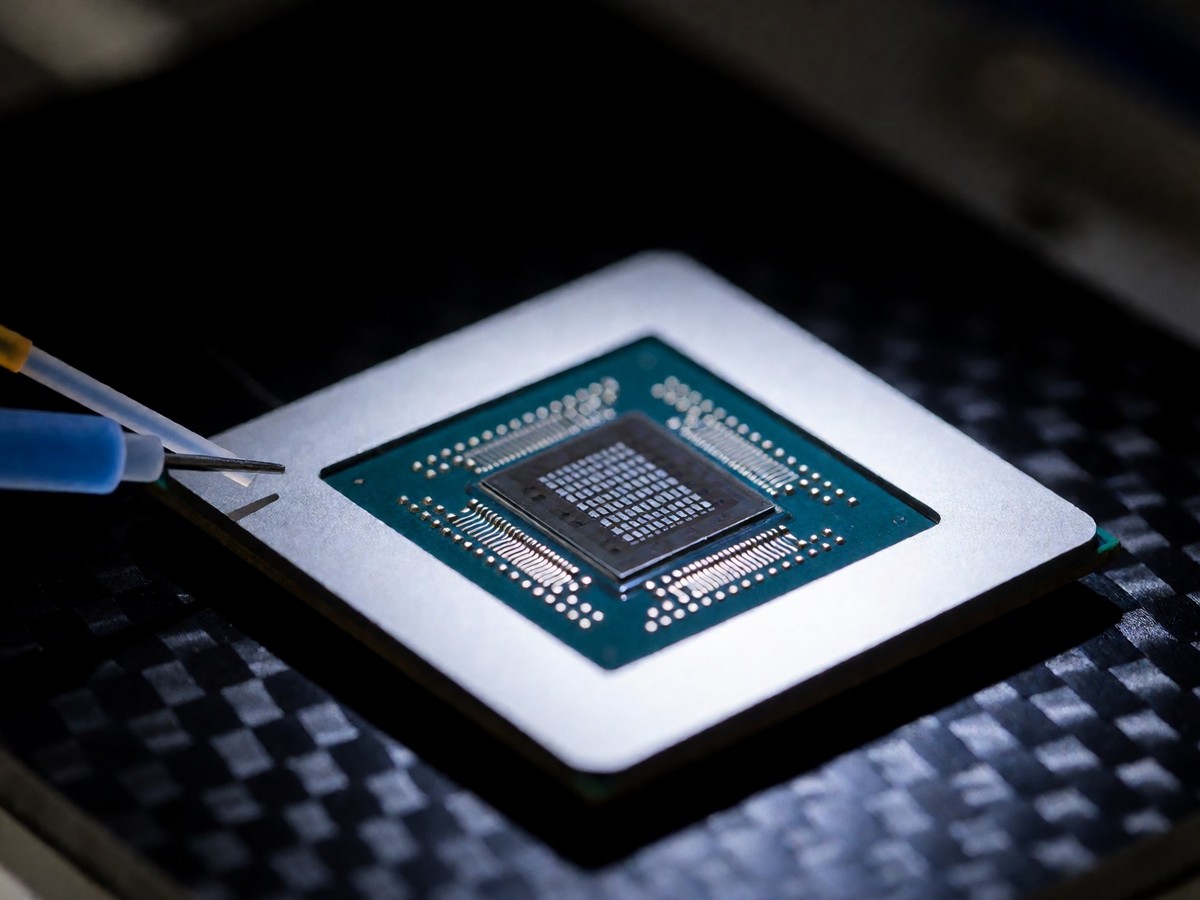
The D1 chip is the heart of the Dojo supercomputer, and I find the technical specifications of this in-house design quite massive. Tesla’s hardware team designed the D1 entirely in-house, from architecture to the package, using 7nm technology. The chip provides GPU-level compute with CPU level flexibility and twice the network chip-level IO bandwidth. The D1 chip has 354 nodes and delivers 363 teraflops of compute, where each node has one teraflop of compute.
| Component | Compute Power | Bandwidth |
|---|---|---|
| D1 Chip (per node) | 1 teraflops | 10tbps on-chip / 4tbps off-chip |
| D1 Training Tile (25 chips) | 9 petaflops | 36tbps off-tile |
| Single Cabinet (12 tiles) | 100 petaflops | N/A |
| Full Exapod (120 tiles) | 1.1 exaflops | N/A |
Each training tile is an integrated multi-chip module that contains 25 D1 chips and provides 9 petaflops of computing. A single cabinet holds two trays of six tiles, which delivers 100 petaflops of compute. The full Exapod system includes 120 tiles, 3,000 D1 chips, and more than one million nodes to reach 1.1 exaflops of AI compute. Tesla is doubling its D1 order from 5,000 to 10,000 units with TSMC this year. While Dojo 2 is expected to come online later this year, the company is also diversifying away from TSMC. Tesla reached a $16.5 billion deal with Samsung to secure AI semiconductors through 2033, and it plans to use a Texas plant for AI6 chip production.
NVIDIA remains the primary competition in the AI training market, and its Blackwell chips rely on TSMC’s CoWoS packaging to meet overwhelming demand from companies like Google and Microsoft. CoWoS is a 3D stacking technology that mounts GPUs and HBM on the same interposer to realize high-speed, low-power communication. TSMC CEO C.C. Wei said the company is working to close the supply and demand gap for CoWoS, but they have not yet caught up. You should notice that Tesla’s success depends on managing its own hardware development while competing against these established giants. NVIDIA’s share of TSMC’s 2025 revenue is approximately 19%, and that share may increase further due to AI demand. Jensen Huang said TSMC is NVIDIA’s other manufacturing department. Tesla faces a talent drain, as senior leaders like Milan Kovac and David Lau left the company this year. I believe Tesla faces a steep climb because NVIDIA’s massive scale in AI training through CoWoS packaging puts intense pressure on the manufacturing capacity Tesla requires for its own chips while competing against the most advanced semiconductor firms. Morgan Stanley analysts believe Dojo could increase Tesla’s enterprise value to $500 billion by powering Full Self-Driving and robotaxis. The investment bank raised its price target for Tesla from $250 to $400, but the bull case reaches $550 while the bear case sits at $120. Tesla’s stock declined 15% during 2025. Will the move toward a single chip architecture actually deliver the training speeds needed to beat NVIDIA’s Blackwell?