
LLM
-
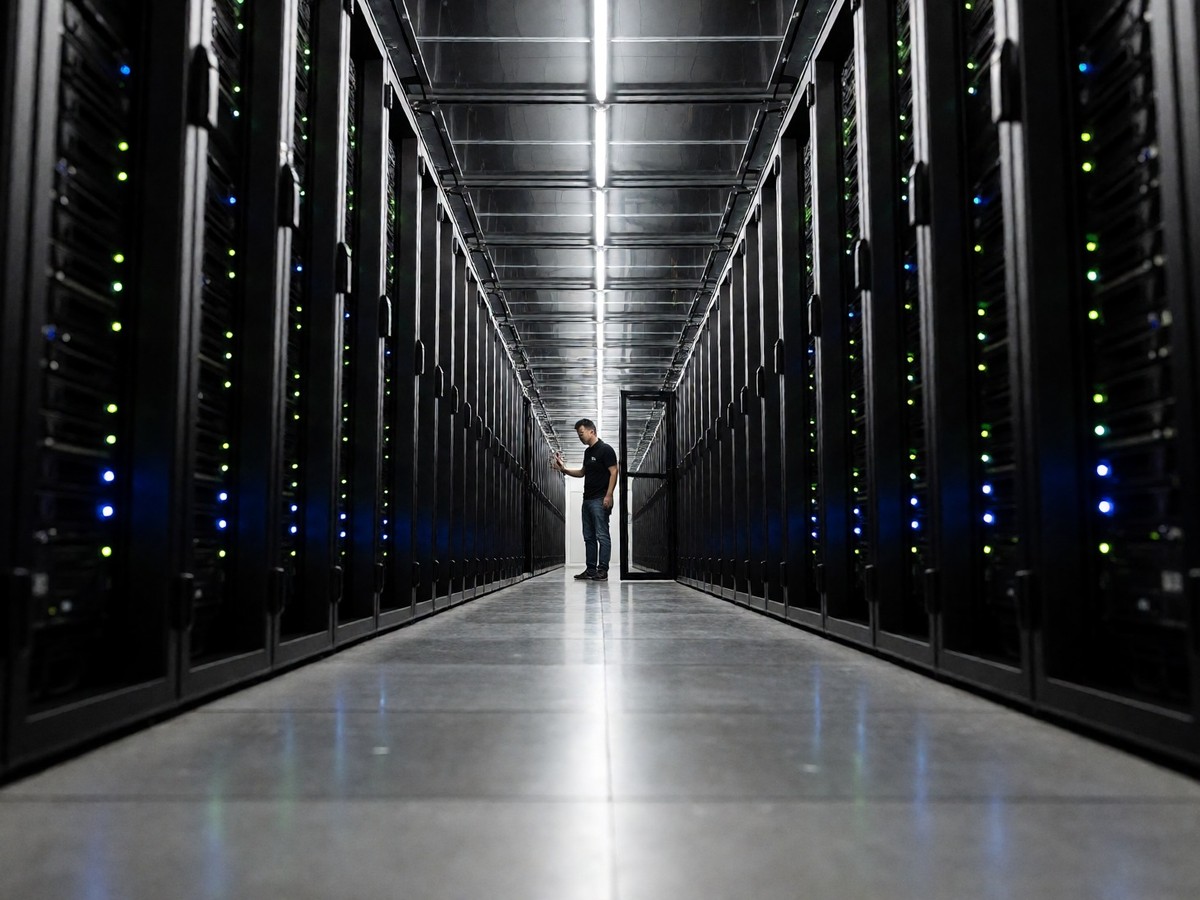
Baidu’s research foundation and the rise of Chinese AI models
Baidu established its Institute of Deep Learning in 2013, later hiring Andrew Ng to lead research. This foundation helped develop ERNIE 4.5,…
-
Sakana AI optimizes model performance through evolutionary merging
Sakana AI utilizes evolutionary techniques to combine open-source models, creating specialized systems like the EvoLLM-JP-v1-7B which outperforms larger 70B parameter models. The…
-

Databricks’ $1.3B MosaicML acquisition shifts LLM training costs
Databricks leverages its $1.3 billion MosaicML acquisition to enable enterprises to train custom large language models up to 7x faster. The platform…
-
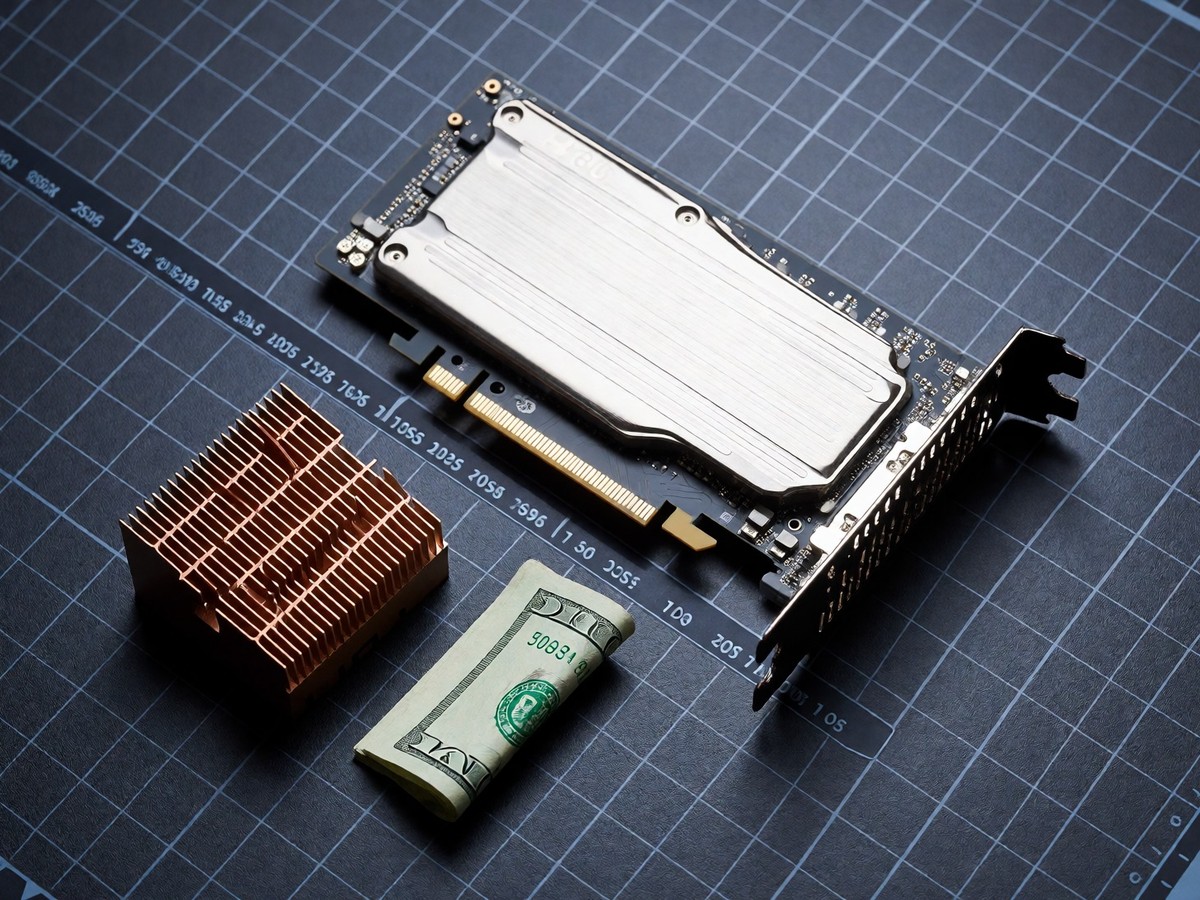
DeepSeek V3 architecture and enterprise LLM deployment economics
DeepSeek-V3 utilizes a 671B parameter Mixture-of-Experts architecture to drive inference efficiency. DeepSeek-V4-Flash offers significant cost advantages for enterprises, with input costs at…
-
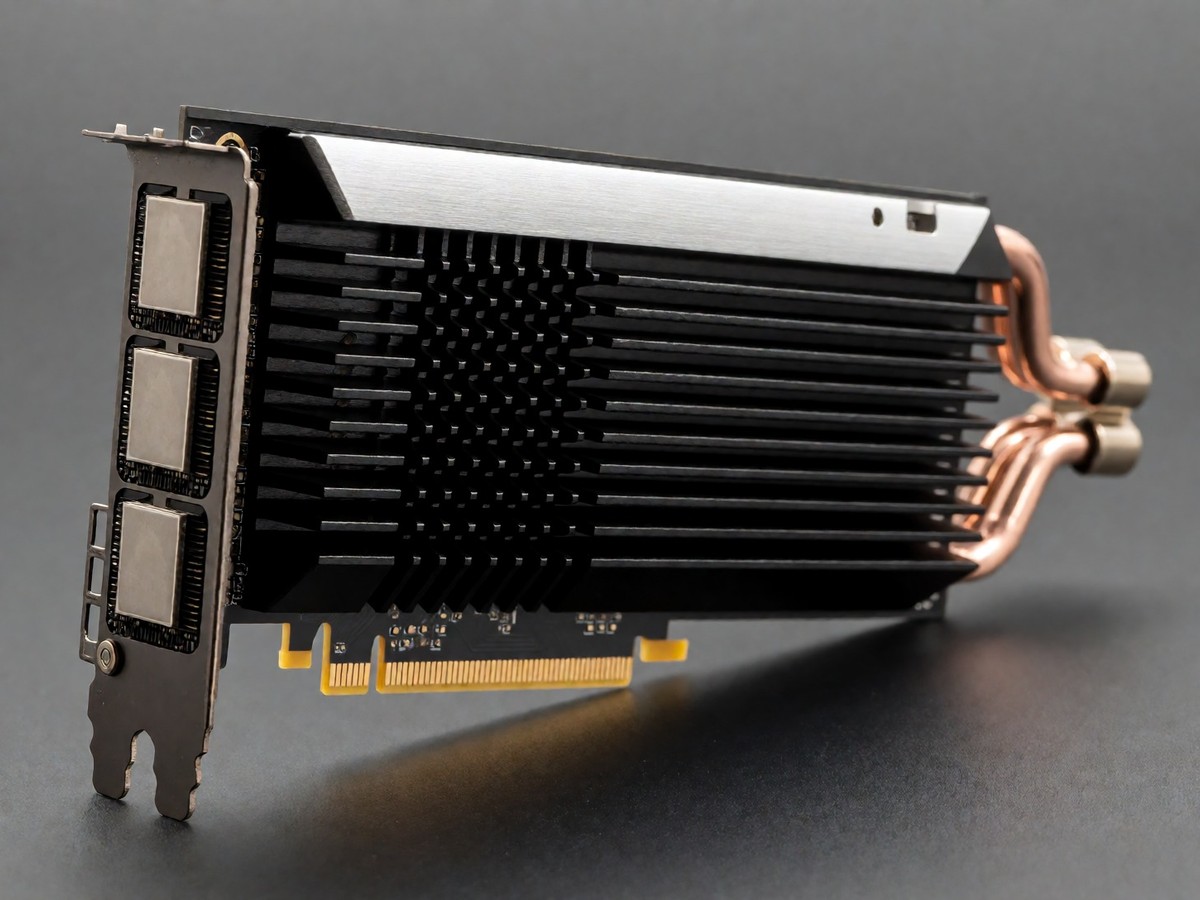
Deploying open-source LLMs with Tenstorrent Wormhole and TT-Metalium
Tenstorrent Wormhole n150 hardware and the TT-Metalium SDK enable efficient local LLM inference. The hardware features Tensix cores and GDDR6 memory, allowing…
-
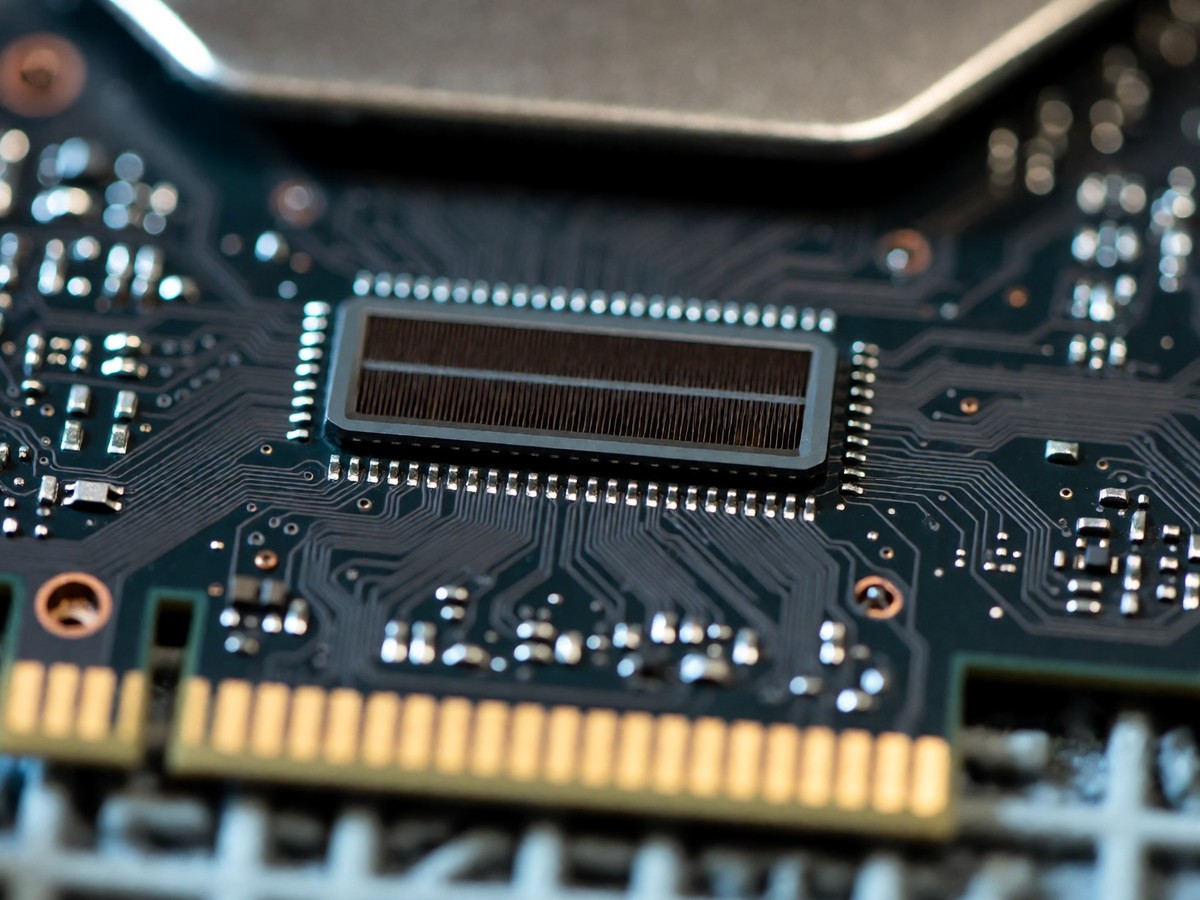
Common mistakes in Databricks DBRX 132B MoE fine-tuning
Engineering teams lose their DBRX 132B MoE advantage when neglecting Spark-based data preparation or ignoring the 32,000 token context limit. Proper management…
-
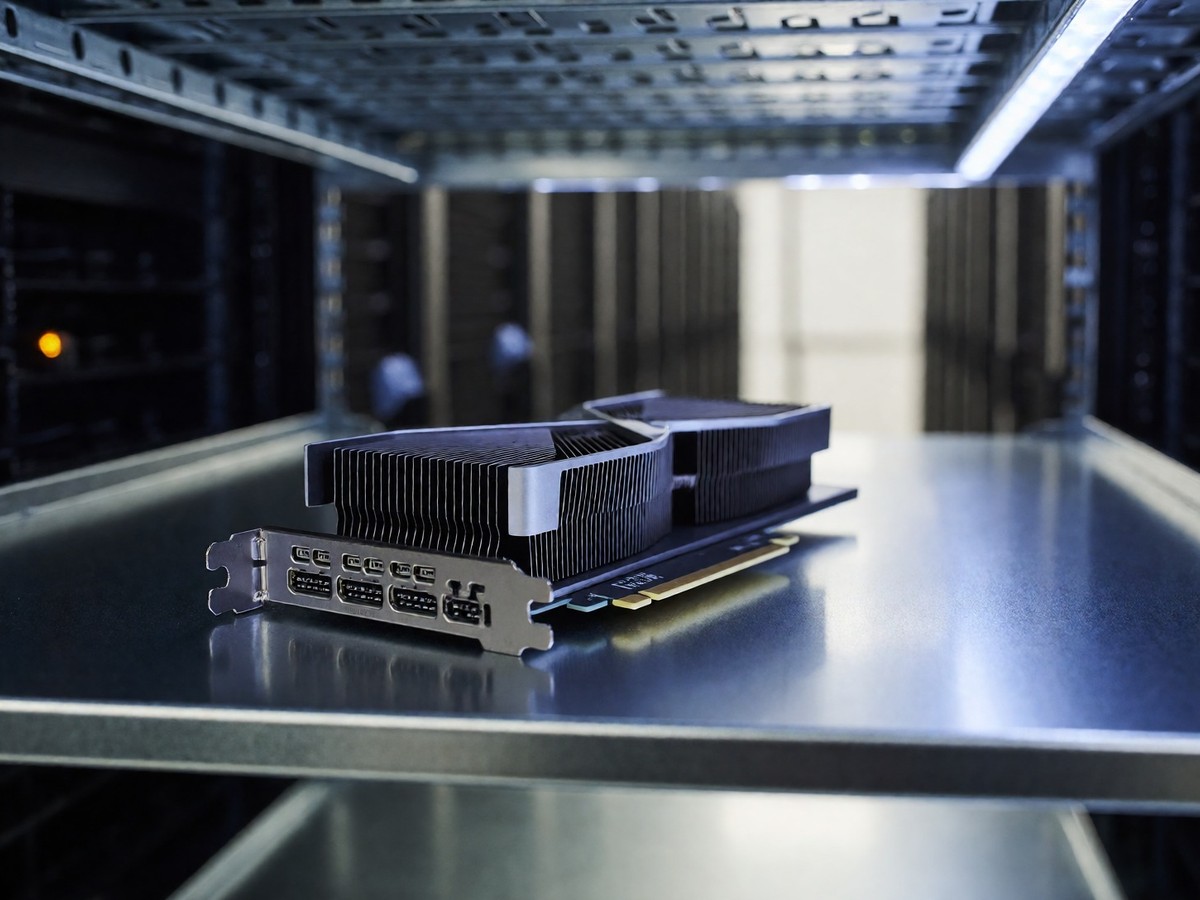
Scaling open source intelligence with Together AI and MoE
Together AI utilizes Mixture-of-Experts architecture and over 20 exaflops of compute power to offer cost-effective inference for over 450,000 users. The platform…
-
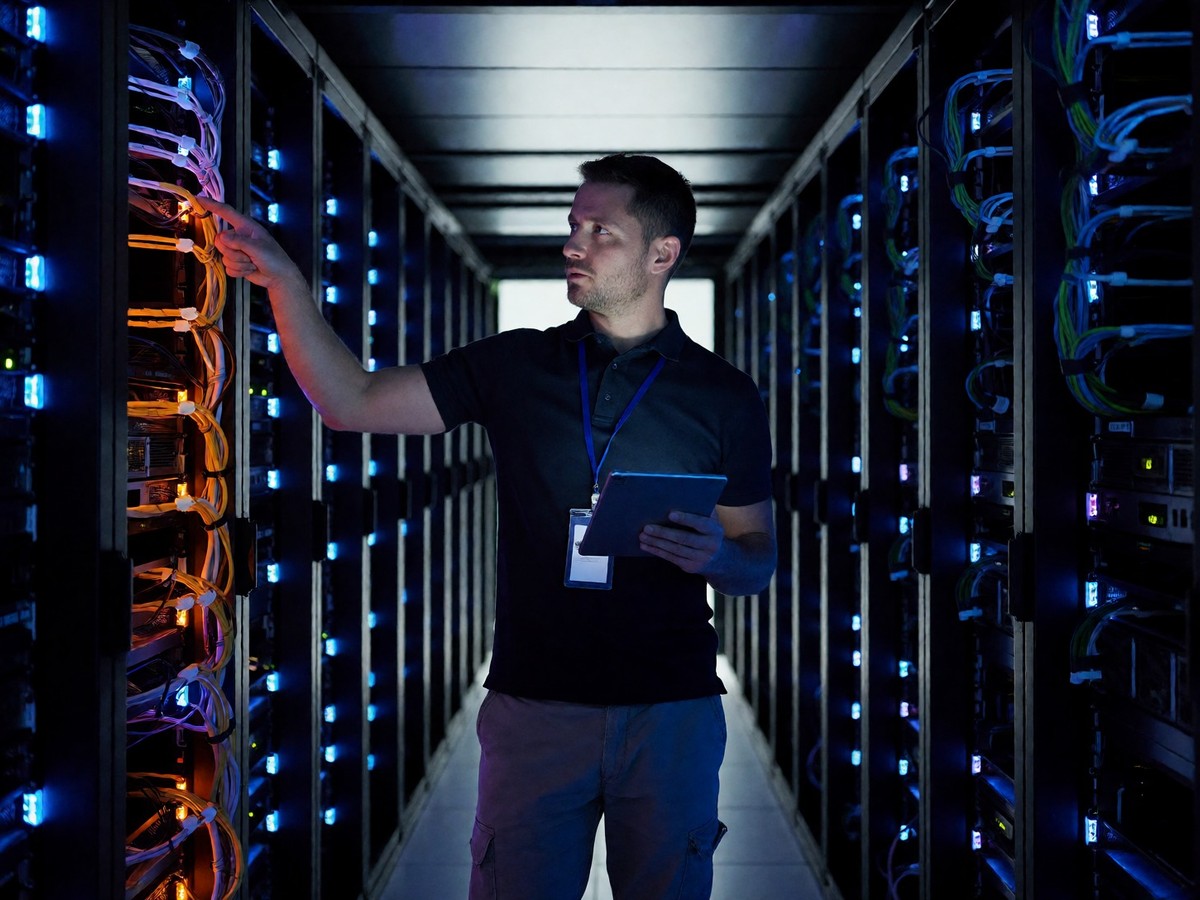
Moonshot AI Kimi k1.5 handles 2 million characters for enterprise analysis
Moonshot AI’s Kimi k1.5 model achieves 99.8% retrieval accuracy in Needle-in-a-Haystack tests with a 2 million character context window. This capability enables…
-
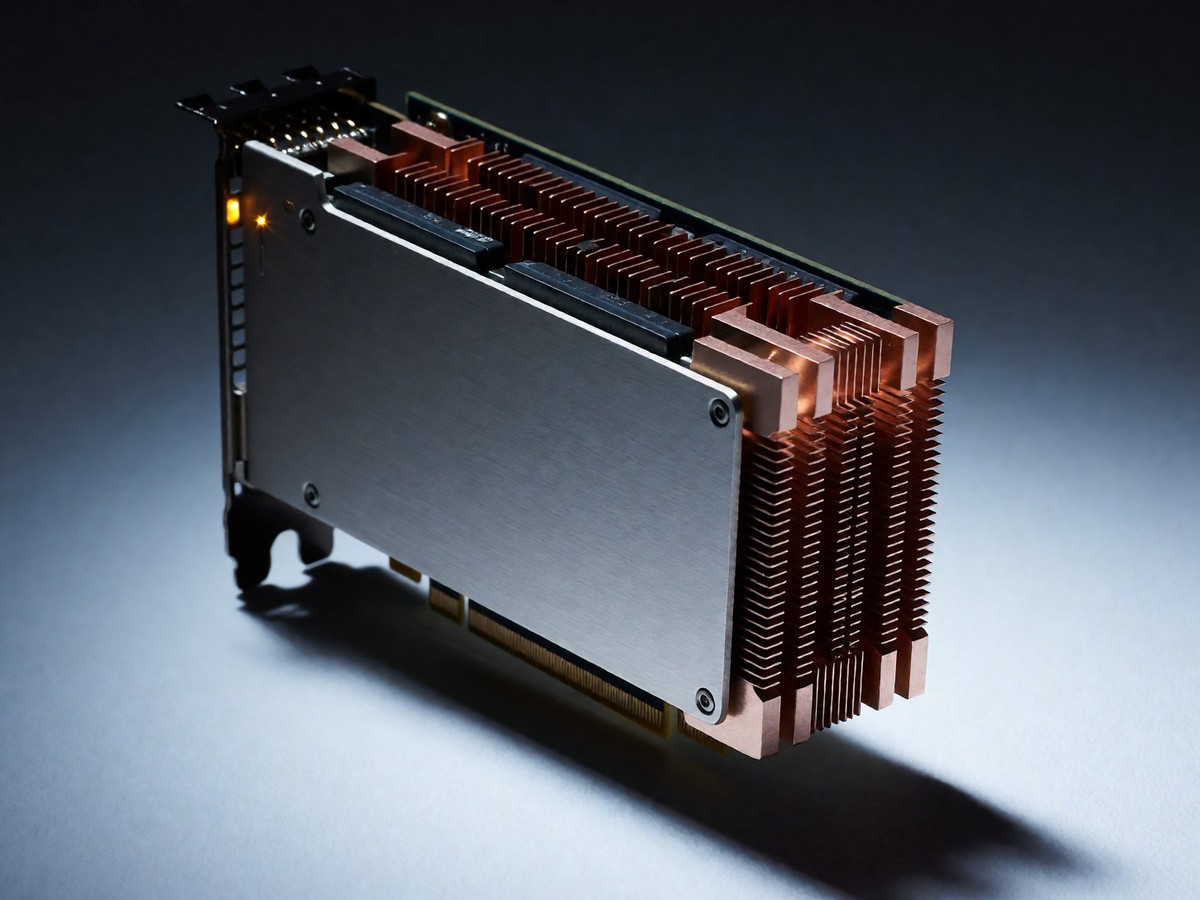
Enterprise context windows and the AI21 Jamba strategy
AI21 Labs utilizes a hybrid Mamba-Transformer architecture in its Jamba model family to provide efficient 256K token context windows. This design allows…
-
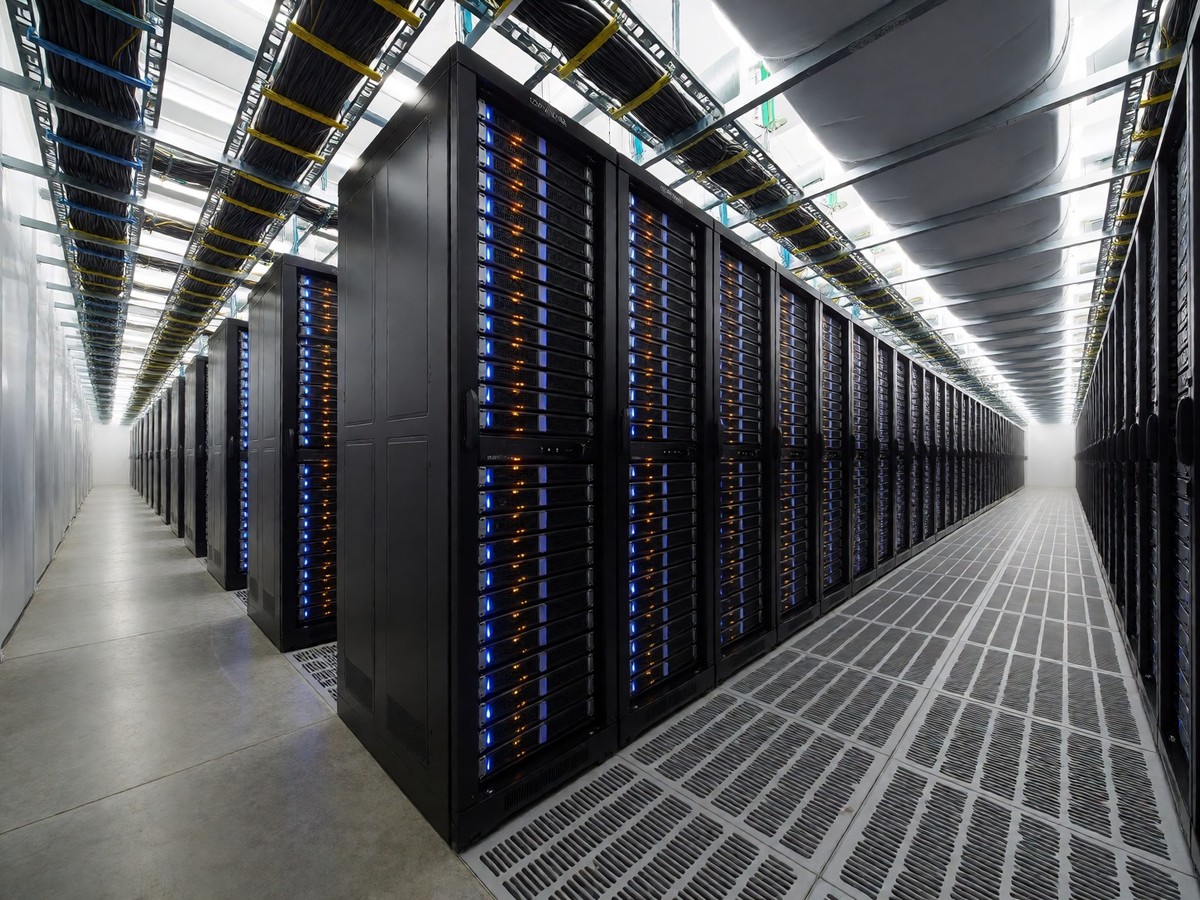
Deploying FuriosaAI RNGD for Korean Cloud Inference
FuriosaAI’s RNGD NPU delivers 2.25x better performance per watt for LLMs than GPU solutions. Samsung SDS hosts these accelerators at its Dongtan…
-

SmolVLM versus Phi-4-multimodal for on-device retail vision
SmolVLM-500M offers low-cost scanning for simple product labels on low-power hardware, while Phi-4-multimodal provides superior reasoning for complex invoices and math tasks.…
-

DeepSeek-V4-Pro architecture and the competitive coding frontier
DeepSeek-V4-Pro utilizes a Mixture-of-Experts architecture with 256 routed experts to achieve a 55.4 percent score on SWE-bench Pro. This model provides significant…