Runway’s Gen-4 Turbo model delivers 720p video with native audio in clips ranging from 3 to 20 seconds. This speed allows teams to generate assets directly from text prompts, a single first frame, or reference images without waiting for traditional rendering times. The API provides access to these frontier models on the day they release, ensuring that creative teams work with the latest capabilities immediately. For brands managing tight deadlines, this immediate availability removes the lag between concept and visual execution.
Speeding up pre-visualization
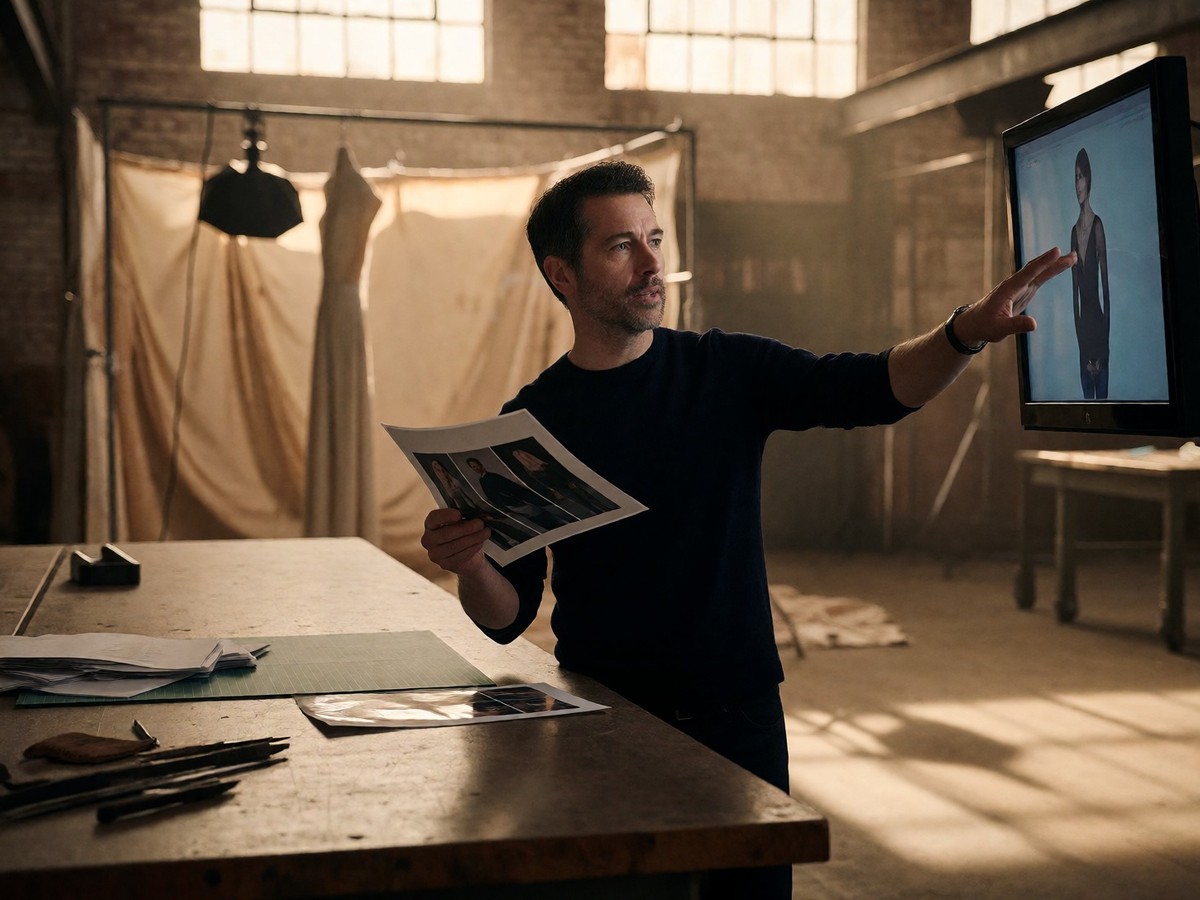
The primary shift in workflow occurs during the pre-production phase, where Gen-4 Turbo replaces static mood boards with dynamic video concepts. AMC Networks partnered with Runway in June 2025 specifically to use this technology for generating marketing images and pre-visualizing shows before physical production begins. This approach allows directors and clients to review motion, lighting, and pacing early in the process, rather than discovering issues after expensive shoots. By using keyframe-guided control, creators can lock in specific shots while letting the AI fill in the intermediate frames, reducing the need for multiple takes.
| Model Tier | Resolution | Duration | Audio Support |
|---|---|---|---|
| Gen-4 Turbo | 720p | 3 – 20s | Native |
| Kling 4.0 | 1080p | 3 – 30s | Native |
| Seedance 2.0 Fast | 720p | Variable | Optional |
The cost efficiency of Gen-4 Image Turbo further supports this rapid iteration cycle, as it is described as the fastest and most cost-efficient image generation model in the catalog. Teams can produce dozens of variations in minutes, selecting only the strongest candidates for final production. This density of output forces a more rigorous selection process, but it saves weeks of scheduling and location scouting. However, the reliance on AI-generated visuals introduces a new layer of risk management. Organizations must now oversee how these tools are used to ensure brand consistency and avoid unintended artifacts that could damage reputation.
Integrating into the production pipeline
Runway’s API integrates with other leading labs, allowing users to switch between models like Google’s Gemini Omni 1.2 Flash and ByteDance’s Seedance 2.0 based on specific needs. This flexibility means a fashion house might use one model for high-fidelity texture details and another for fast background generation. The platform supports multimodal prompts, enabling users to combine text, image, video, and audio references in a single request. Such integration requires clear governance structures to manage the volume of generated content effectively.
Lionsgate Entertainment announced a partnership in September 2024 to create a custom AI video generation model trained on over 20,000 film and television titles. While this example focuses on film, the principle applies to fashion: proprietary data creates unique, brand-specific outputs that generic models cannot replicate. The challenge lies in maintaining oversight when the volume of assets increases dramatically. Directors must decide which risks are acceptable when using automated tools for high-stakes campaigns. Is the speed gain worth the potential loss of artistic nuance? That question remains open as studios continue to test these boundaries.