The enterprise market for large language model fine-tuning is currently defined by a stark architectural divide between modular GPU clusters and monolithic wafer-scale engines. I view the SambaNova DataScale SN30R as the pragmatic choice for organizations that require predictable capital expenditure without the massive upfront commitment demanded by Cerebras Systems. While Cerebras has secured high-profile contracts, such as the $10 billion deal with OpenAI for 750 megawatts of compute power, these figures represent infrastructure at a scale most enterprises cannot replicate. The SN30R targets a different economic niche, focusing on efficient inference and training workloads that fit within standard data center racks rather than specialized supercomputing facilities. This distinction matters because the cost per token and the total cost of ownership vary significantly depending on whether you are running continuous high-volume inference or sporadic fine-tuning jobs.
Cerebras’ Scale and Cost Structure
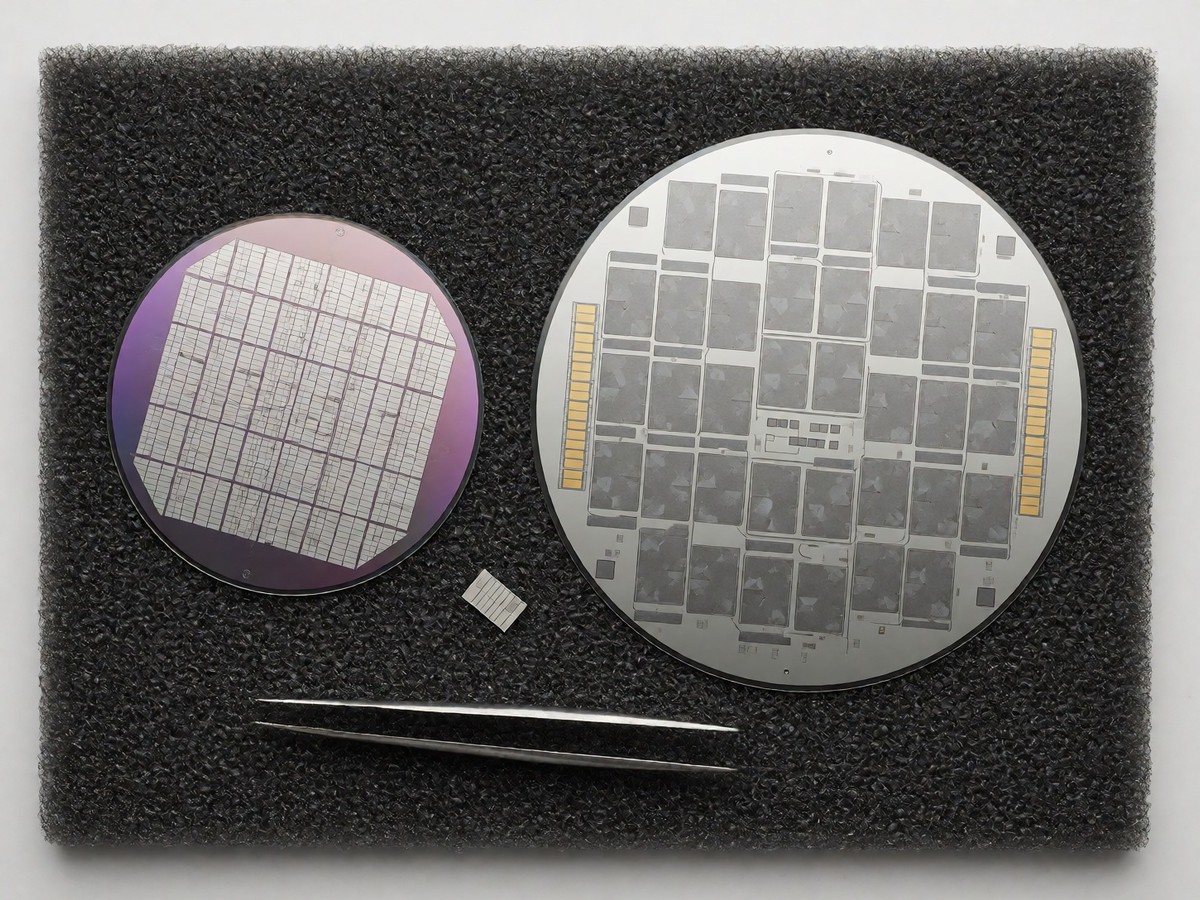
Cerebras’ business model relies on selling massive computing systems that integrate thousands of cores onto a single silicon wafer. Their latest hardware, the CS-3 system, utilizes the WSE-3 chip which contains 4 trillion transistors and 900,000 AI-optimized cores. This architecture allows for extremely fast inference speeds, with benchmarks showing over 2,500 tokens per second per user on the Llama 4 Maverick model. However, this performance comes with a significant price tag. The company raised $5.55 billion in its initial public offering in May 2026, signaling a valuation that reflects its position as a major player in the AI infrastructure race. For an enterprise, purchasing a CS-3 system means committing to a multi-million dollar investment that includes not just the hardware but also the specialized cooling and power requirements. The Andromeda supercomputer, for example, consumes 500 kW of power, a figure that drastically impacts operational expenses compared to traditional GPU clusters. I find this pricing structure prohibitive for most mid-sized companies unless they have specific, high-throughput inference needs that justify the premium.
| Feature | Cerebras CS-3 | SambaNova DataScale SN30R |
|---|---|---|
| Architecture | Wafer-Scale Engine (WSE-3) | Modular Rack System |
| Core Count | 900,000 AI-optimized cores | Not specified in sources |
| Transistor Count | 4 trillion | Not specified in sources |
| Primary Use Case | High-speed Inference, Large Model Training | Enterprise LLM Fine-Tuning, Inference |
| Power Consumption | ~500 kW (Andromeda cluster) | Standard Data Center Racks |
| Recent Deal Value | $10B (OpenAI) | N/A |
The primary advantage of Cerebras is speed. By keeping more computing on one giant processor, they reduce communication overhead between chips. This makes them ideal for serving millions of users simultaneously, as seen in their partnership with AWS for Bedrock services. But for fine-tuning, where batch sizes are smaller and tasks are intermittent, the efficiency gains do not always translate to lower costs. The flat-rate "pay-per-model" compute time offered through partners like Cirrascale provides some flexibility, but the underlying hardware remains expensive. I would only recommend Cerebras if your workload demands sustained, maximum throughput and you have the budget to absorb the high fixed costs.
Why the SN30R Fits Enterprise Budgets
SambaNova’s approach focuses on providing a scalable solution that does not require the entire data center to be dedicated to a single vendor’s proprietary hardware. The DataScale SN30R is designed to handle complex AI workloads efficiently, allowing enterprises to fine-tune models without building out a custom supercomputer. This modularity means you can start with a smaller deployment and expand as your needs grow, avoiding the sunk cost risk associated with buying a full Cerebras system. I appreciate that the SN30R allows for a more gradual adoption curve, which is critical for organizations testing new AI capabilities. The lack of a publicly listed price point for the SN30R itself makes direct comparison difficult, but the absence of a $10 billion contract requirement suggests a more accessible entry point.
One criticism I have is that the specific performance metrics for the SN30R in terms of tokens per second are less widely publicized than Cerebras’ benchmarks. This opacity makes it harder for procurement teams to justify the purchase based on raw speed alone. However, the total cost of ownership often favors modular systems when factoring in energy savings and the ability to repurpose hardware for other tasks. If your primary goal is to run a few fine-tuning jobs per month, the SN30R is clearly the better economic choice. Does the slight reduction in peak inference speed justify the lower capital expenditure for your specific use case?