Expansion in Paris
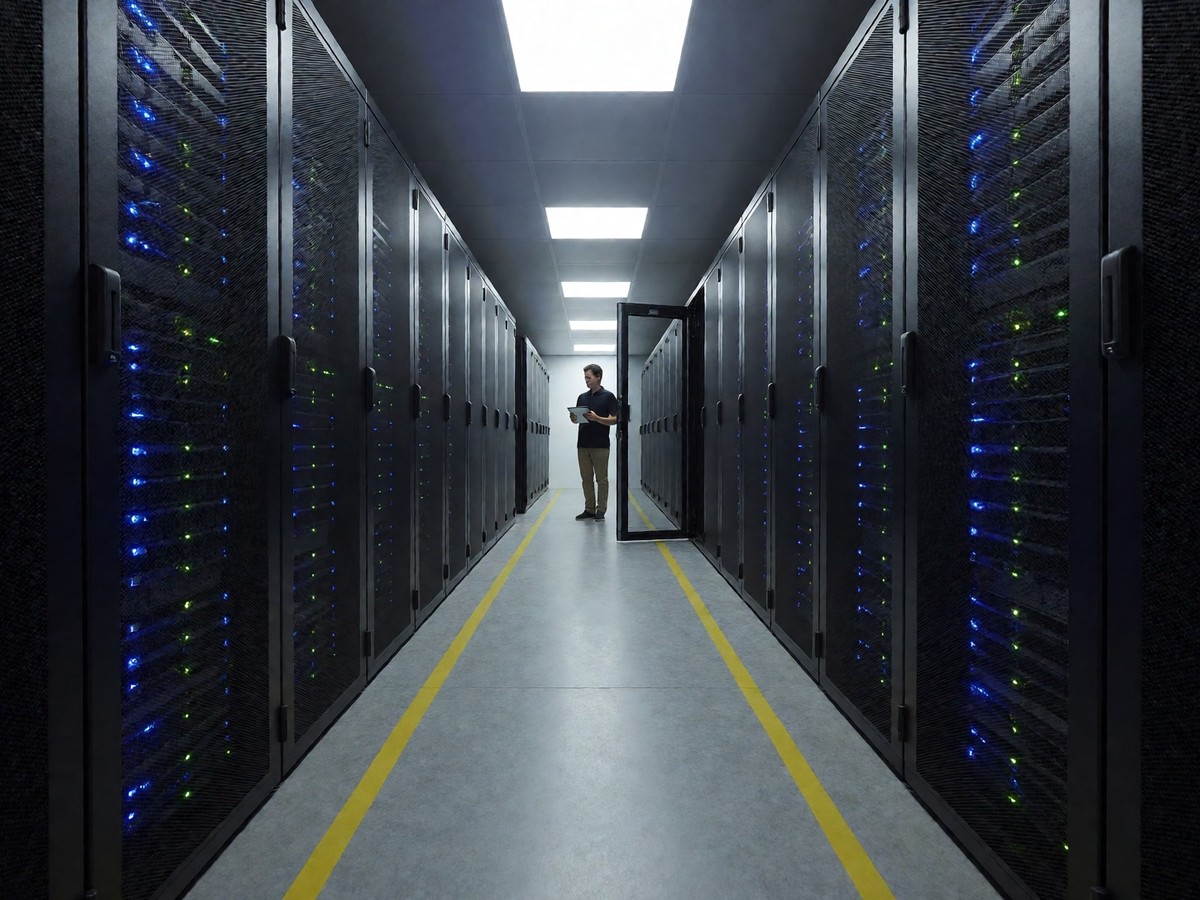
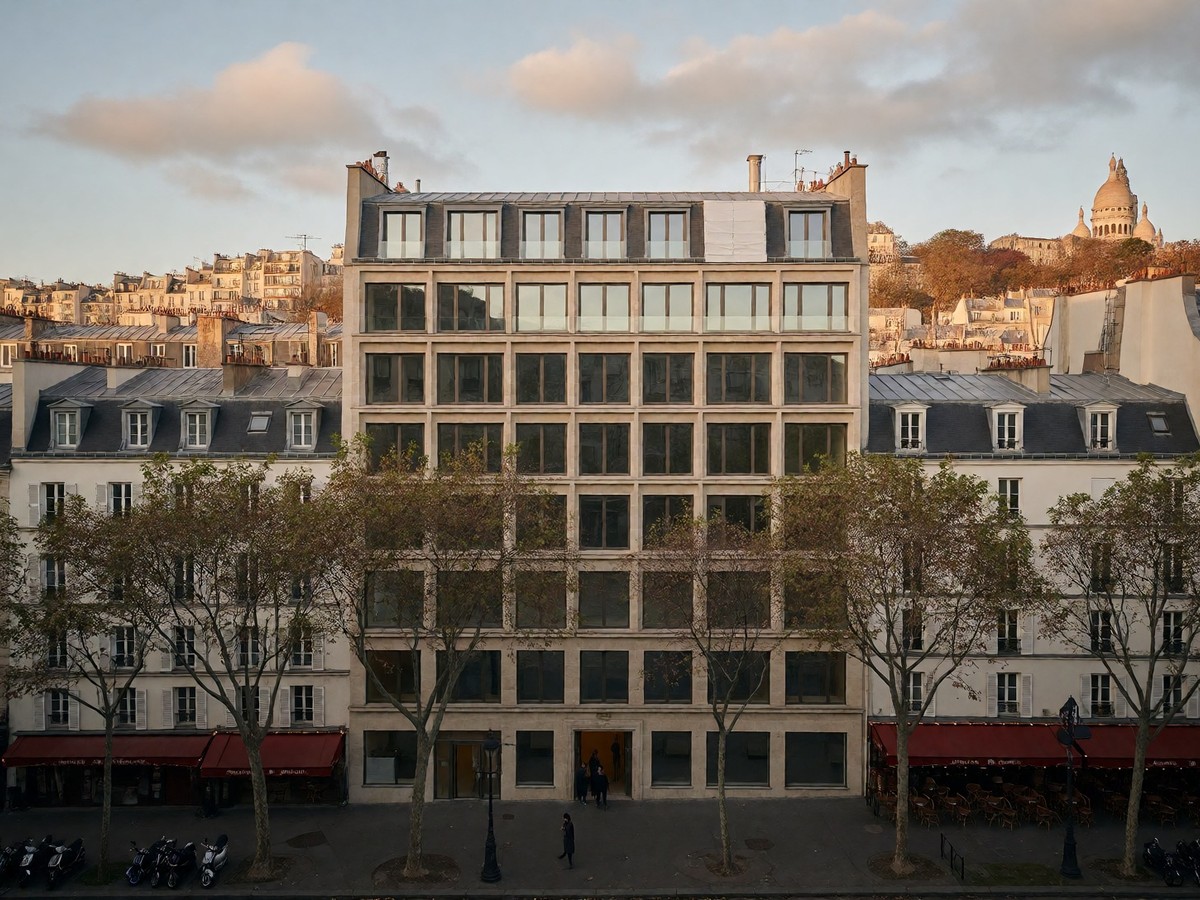
Mistral AI is finalizing a €2 billion investment at a $14 billion valuation. This funding positions the Paris-based company as one of Europe’s most valuable technology startups. To accommodate rapid growth, the firm is moving its headquarters from the 10th to the 18th arrondissement of Paris. The new six-story building will host up to 1,000 employees, compared to the 400 staff members currently at the company. Mistral is also constructing a sizable data center outside Paris using Nvidia chips to provide the hardware that supports its software. The company currently employs 250 people and expects to have more than 400 by the end of the year. This expansion follows a June 2024 funding round that valued the company at €5.8 billion. The startup previously raised $112 million in a seed round in 2023 and €600 million in 2024. Mistral maintains distributed teams across Europe, North America, Asia, and the Middle East, with specific offices in London, Singapore, Palo Alto, and Paris. This expansion helps Paris anchor itself as Europe’s leading AI city, leveraging academic pipelines from INRIA and Polytechnique. Investors in the company include Andreessen Horowitz, Salesforce, Nvidia, IBM, and Samsung Ventures.
The strategy of Arthur Mensch
Arthur Mensch leads the company with co-founders Timothee Lacroix and Guillaume Lample. Mensch views AI through the lens of energy policy, emphasizing security of supply, affordability, and the sustainability and reliability of the technology. He argues that countries should build and export their own AI technology to avoid the dependency that results when they import too much software from US-based corporations. Because Mistral focuses on open-source models that users can fork and adapt, the company allows nations to achieve technological sovereignty without relying on the expensive and proprietary software provided by major Silicon Valley corporations. Mistral builds its business around making inference costs extremely low, which allows users to run agents and large language models without cost-related blocks. The company targets high-stakes industries like finance, manufacturing, defense, healthcare, and the public sector by creating customized AI systems. Mensch previously worked on optimization and sparse mixture of experts to make algorithms more efficient. I find the interface, however, to be a significant hurdle for non-expert users. While ChatGPT provides a clean, minimalist interface with smooth conversation spaces, Mistral presents a cold, technical interface that resembles a command-line terminal or an old API. This lack of visual identity and easy navigation means the general public often fails to understand the tool. You should look at the interface differences yourself if you plan to use these models for daily tasks.
Technical performance and infrastructure
Mistral targets the shift toward AI systems that integrate models with contextual business data. Arthur Mensch predicts that the industry will move away from standalone models toward agentic systems in 2025. These systems connect models to tools and data to perform tasks on behalf of users. The company’s portfolio includes models like Mistral Large 2 and the coding model Devstral, which uses an Apache 2.0 license. Mistral released Mistral OCR in March 2025 to convert PDFs into text. The Mistral 7B model remains notable for being small and fast enough to run on a MacBook Pro. Mistral Large 2 matches the performance of OpenAI’s GPT-4. Regarding environmental impact, a July 2025 analysis of Mistral Large 2 showed the model required 20,400 tons of CO2 and 281,000 cubic meters of water for training and 18 months of use. For a single 400 token answer, the model produces 1.14 grams of CO2 and uses 45 milliliters of water. For both training and inference, the cost of running models is a major business driver because it dictates the feasibility of downstream applications. For example, the company’s focus on efficient scaling laws means that for the same amount of compute, it can produce a model that is four times cheaper to serve. In comparison, Google’s Gemini consumes 0.24 watt-hours for a typical request.
| Specification | ChatGPT (OpenAI) | Mistral AI |
|---|---|---|
| Model Category | Chat | Chat |
| Context Window | 1,047,576 tokens | 131,072 tokens |
| Deployment Focus | General User | Developers / Enterprise |
| License | Proprietary | Open Source (Apache 2.0) |
Will the increase in computing costs eventually force these open-source developers back toward proprietary models?