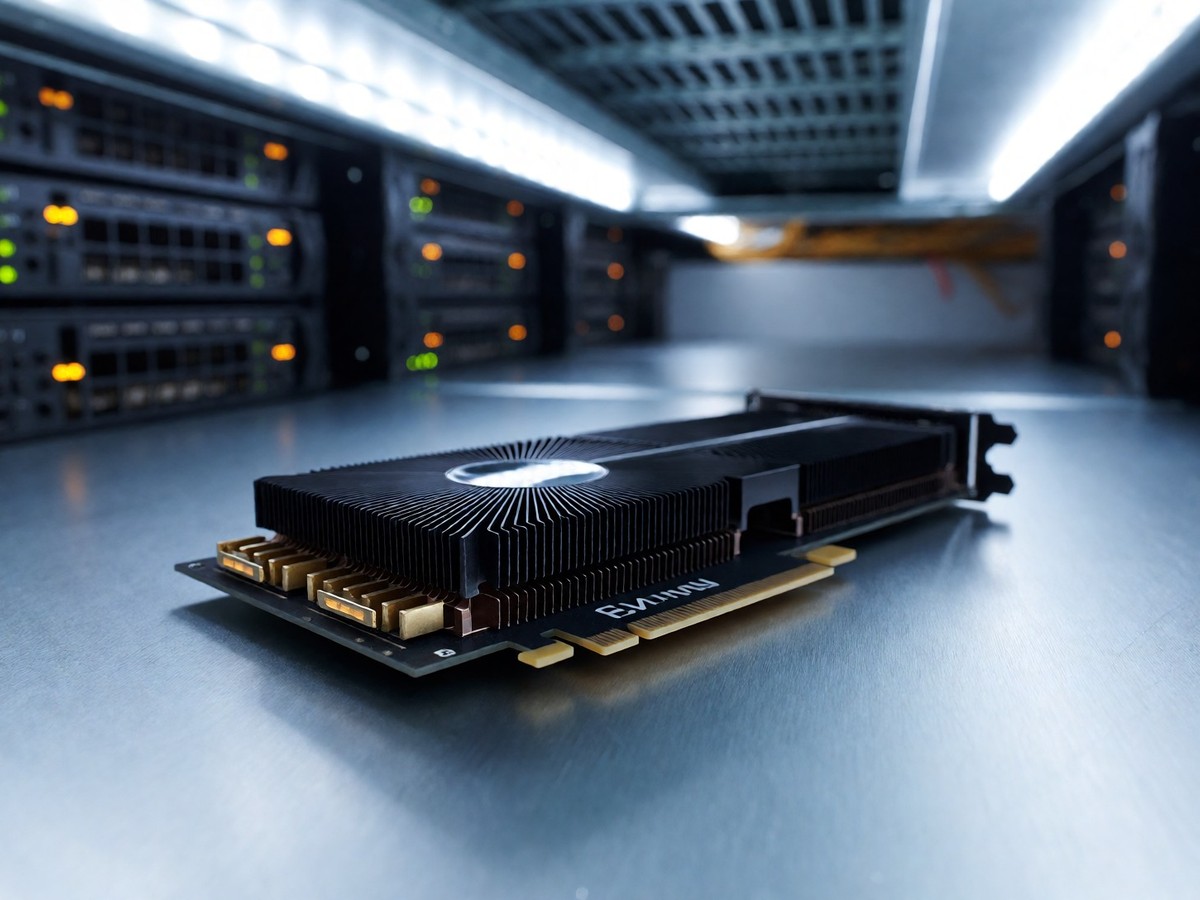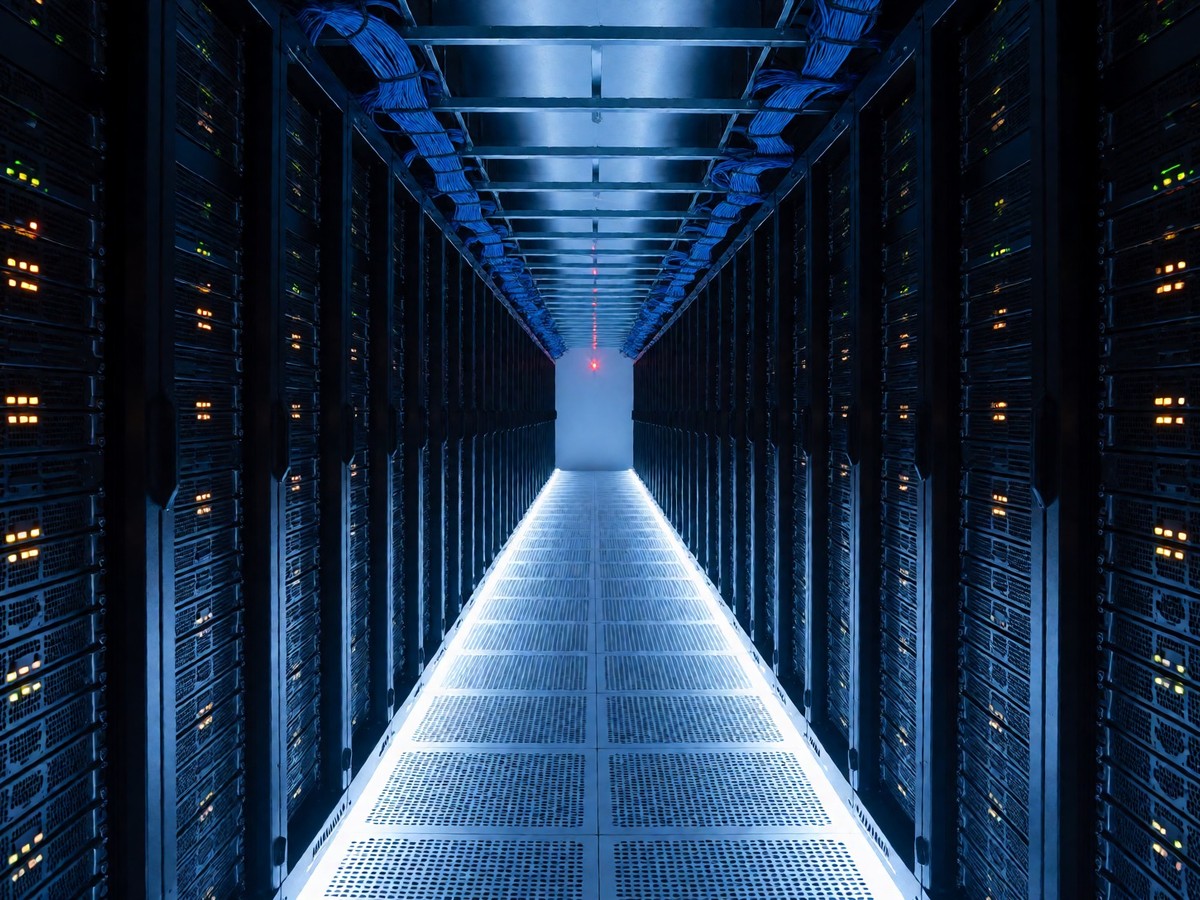
Runpod provides developers with access to over 30 GPU SKUs including H100 NVL, A100, L40S, and RTX 4090s. The platform operates across 31 global regions to provide low-latency performance. Developers use the service to train models, fine-tune, and process data using their own containers, frameworks, and code. The infrastructure supports three primary products: Serverless, Pods, and Clusters. Serverless endpoints provide autoscaling GPU capacity that scales to zero when idle, while Pods offer persistent compute as either reserved or interruptible Spot instances. Clusters enable multi-GPU distributed compute for large-batch inference or training with up to 64 GPUs and InfiniBand support.
The Serverless product solves the common trade-off between paying for idle capacity or enduring cold-start latency. Runpod Serverless uses FlashBoot to achieve sub-200ms cold starts and manages a built-in job queue to assign requests to workers. This architecture allowed Scatter Lab to handle 1,000+ inference requests per second at nearly half the cost of major cloud providers. Users write a handler and push to Serverless to create a live inference endpoint. This avoids the need for manual orchestration because Runpod Serverless queues requests and assigns them to workers.
| GPU Type | Secure Cloud Price (per hour) | Community Cloud Price (per hour) |
|---|---|---|
| H100 PCIe | $2.89 | $1.99 |
| H100 SXM | $4.39 | $2.69 |
| A100 PCIe | $2.09 | $1.19 |
| A100 SXM | $2.19 | $1.39 |
| H200 | $5.29 | $3.59 |
Infrastructure flexibility for AI agents
AI agent infrastructure requires compute, storage, and networking layers to run, call tools, and store memory. Runpod supports these requirements through three layers. Serverless endpoints handle fast inference tool calls, persistent Pods host stateful agents, and network volumes provide shared memory and model weights across workers. The Runpod skills package lets coding agents like Claude Code and Cursor deploy and manage these resources directly. Because the platform supports various stages of development, teams move from experiment to production without replatforming.
For users needing scale, the platform handles failovers to ensure workloads run smoothly even when resources do not. The pricing model depends on the specific workload, as Serverless bills inference workers based on usage while Pods use hourly or second-based billing. The infrastructure supports diverse needs, from scaling an application from zero to 1,000 requests per second to providing network-isolated environments via Secure Cloud. While AWS provides high reliability and a broad feature set, it costs more than Runpod. Users choose the right card for the job based on their specific needs.
Developers often struggle with managing infrastructure, which distracts from product features. Botto used Runpod to gain better GPUs and graphic models while reducing costs. Moving to Runpod allowed the team to scale to meet customer traffic and model complexity without overpaying for idle resources. One user reported cutting server costs from thousands of dollars per day to only hundreds after migrating. This capability allows teams to focus on growth and product development rather than GPU infrastructure management.
Scaling without managing hardware
AI IaaS provides on-demand access to GPUs, networking, and storage, allowing users to rent capacity by the hour or second. This avoids the upfront capital and operational requirements of building a private data center. Runpod users can spin up a fully-loaded, GPU-enabled environment in under a minute. The platform also provides flexible and persistent storage options starting at $0.05/GB/mo with standard and high-performance tiers.
The scalability of the infrastructure supports diverse projects, including renders for AMD and Coca-Cola builds. Scaling remains a requirement for delivery, and Runpod makes that possible. One user reported a 90% saving on their infrastructure bill because they use bursty compute whenever they need it. This flexibility allows teams to match capacity to demand without being locked into hardware that ages out as new generations ship.
Security compliance includes SOC 2 Type II certification, along with HIPAA and GDPR compliance. The Runpod Trust Center provides SOC 2 reports, BAAs, and DPAs for security review. Secure Cloud adds network isolation for workloads with stricter compliance needs. Enterprise agreements provide a 99.99% uptime SLA, dedicated capacity, and tailored terms. How much additional latency does a user encounter when choosing between the Community Cloud and Secure Cloud for specific inference tasks?