Runway holds a $5.3 billion valuation following a $315 million Series E round led by General Atlantic. The company released Gen-4.5 in December 2025. This model holds the top spot in the Artificial Analysis Text to Video benchmark with 1,247 Elo points. It outperformed offerings from Google and OpenAI in an independent benchmark. The model produces physically accurate footage where objects move with realistic weight, momentum, and force. Runway’s Gen-4.5 provides improved prompt fidelity to produce physically accurate and visually precise footage. This advancement improves fluid dynamics, surface rendering, and fine details like hair and fabric textures. Investors such as Baillie Gifford, Nvidia, and Salesforce Ventures support the company. The platform provides 30+ AI tools including inpainting, masking, and style transfer. Runway’s Gen-4 Turbo provides 1080p video in under 10 seconds. This model also produces 60 fps output and costs 60% less than the standard Gen-4 version. The team used Nvidia Hopper and Blackwell series GPUs to develop the model. CEO Cristobal Valenzuela noted that his 100-person team out-competed trillion-dollar companies. The model development used the internal codename "David" to reference its underdog status.
Act-One replaces expensive motion capture
Act-One allows creators to record facial expressions on a smartphone to animate AI characters. This tool uses Gen-3 Alpha to simplify the character animation process. Users record a video of an actor using a smartphone camera. They then select an AI character to receive the performance. The AI replicates the pacing and delivery of the original video. This workflow allows a single actor to play multiple animated characters with Hollywood-level realism. Act-One includes safeguards to prevent the generation of content that uses public figures without authorization.
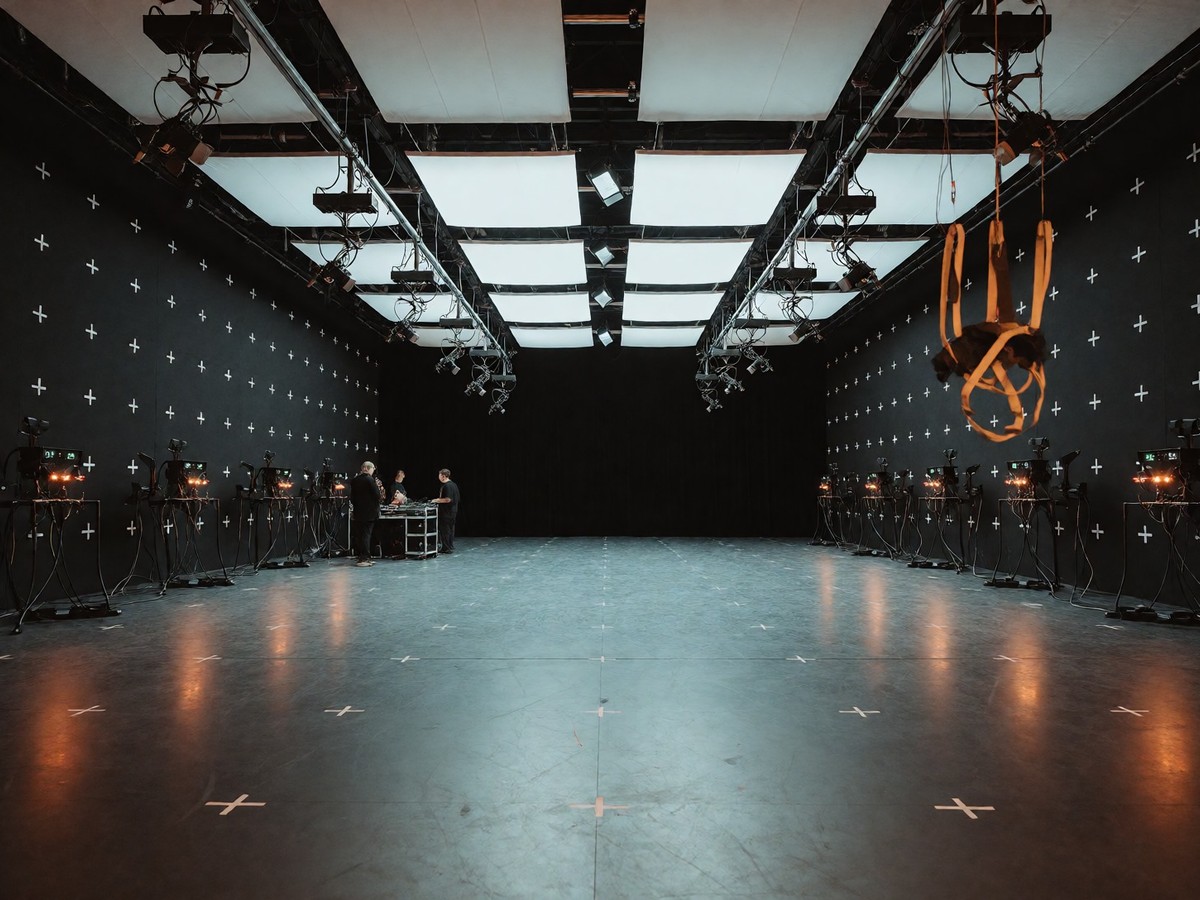
Cristobal Valenzuela, Runway’s CEO, suggested that studios could spend $100 million on 50 movies instead of one feature film to increase their chances of a hit. This strategy relies on high volume to solve the quantity problem. The tool helps maintain character consistency across different camera angles. You already know that traditional motion capture equipment costs studios millions of dollars. Act-One allows for the replication of micro-expressions and eye-lines. This feature benefits animators and indie filmmakers who need to create unique characters. One professional compared the tool to Andy Serkis’ performance as Gollum. The use of AI can reduce production costs, such as the $70 million "Bitcoin: Killing Satoshi" film. The 2023 WGA and SAG-AFTRA strikes showed fears of AI replacing writers and actors. The debate over creative authorship continues because tools generate half a scene or recommend actors through algorithms. Will studios actually adopt a volume-based model over traditional artistry?
Sora discontinuation forces enterprise migration
OpenAI will discontinue the Sora web and app experiences on April 26, 2026, and the Sora API on September 24, 2026. This timeline leaves enterprise users with less than six months to migrate workflows. The abrupt timeline for the Sora API shutdown puts intense pressure on enterprises that embedded Sora into workflows, especially those organizations with limited in-house AI talent or complex software dependencies. Sora requires $200 per month for the Pro plan to access 1080p resolution. Runway offers 4K export on its Pro plan.
| Feature | Runway Gen-4.5 | OpenAI Sora |
|---|---|---|
| Max Resolution | 4K | 1080p |
| Generation Speed | ~20 minutes | ~50 minutes |
| AI Tools | 30+ | 6 |
| Pricing (Pro) | $20/month | $200/month |
| Free Plan | Yes (125 credits) | No (since Jan 2026) |
While Sora produces high realism, it takes up to 50 minutes to generate a 5-second clip. Runway generates clips in approximately 20 minutes. The slow generation speed of Sora makes it difficult for fast-paced production. Runway users expect to complete a shot in 1 to 2 tries, whereas Sora users often require 2 to 5 attempts. Runway also serves large clients like Yamaha, SoftBank, and the BBC. According to the Futurum Group, 61% of organizations cite OpenAI GPT as their primary GenAI platform. The migration from Sora presents challenges because 56% of organizations cite talent scarcity as a top adoption challenge. Enterprises face a hidden innovation tax when they must revalidate compliance and rearchitect integrations.