
AI News, Research and Tool Reviews
-
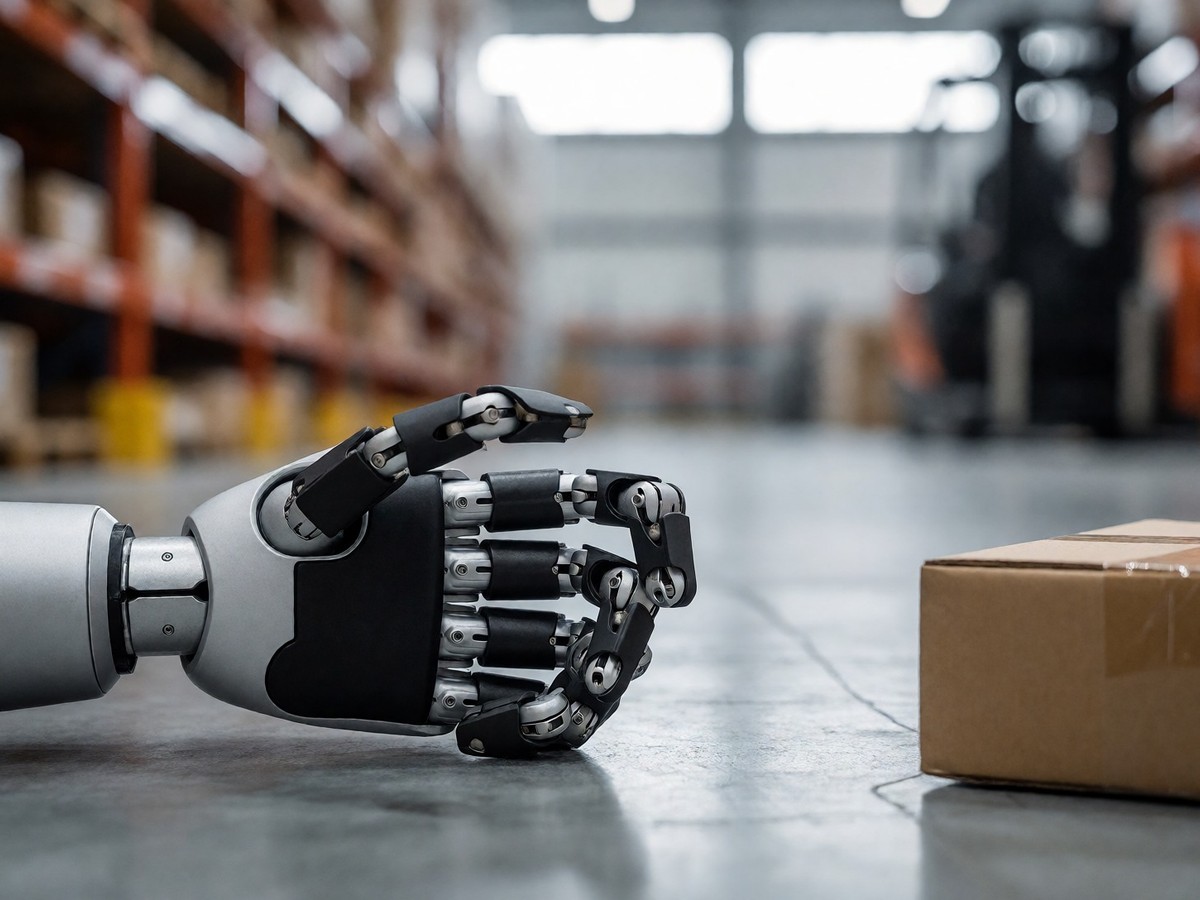
Physical Intelligence vs hardware giants Figure and Tesla
Physical Intelligence uses its pi0 model to achieve 99.9% reliability in robotic tasks. While Figure 02 targets enterprise buyers with a $50,000 price tag, Tesla aims for much…

-
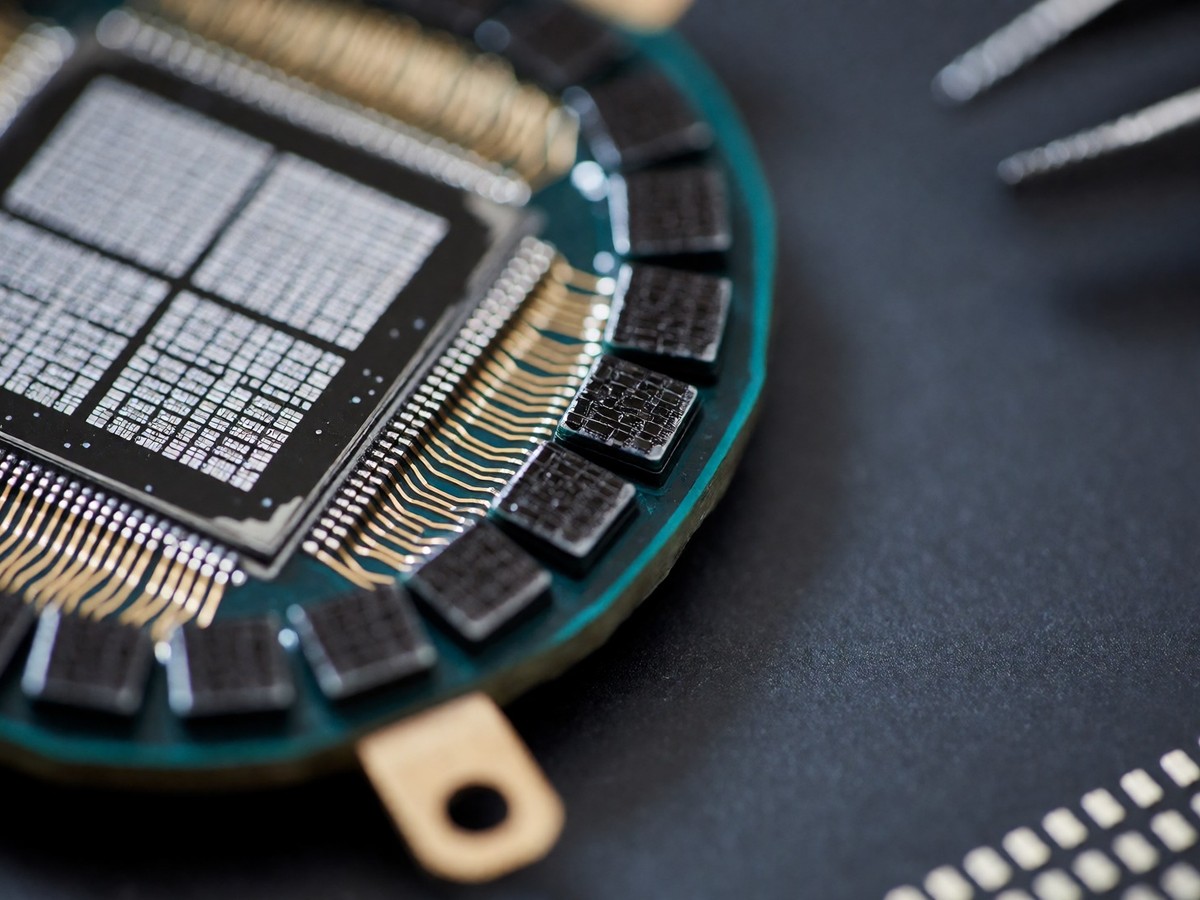
Amazon Trainium3 vs Google Trillium: AI training chip comparison
Amazon’s Trainium3 offers 30 to 40 percent more price-performance than its predecessor, while Google’s Trillium provides 4x training performance improvements for models…
-
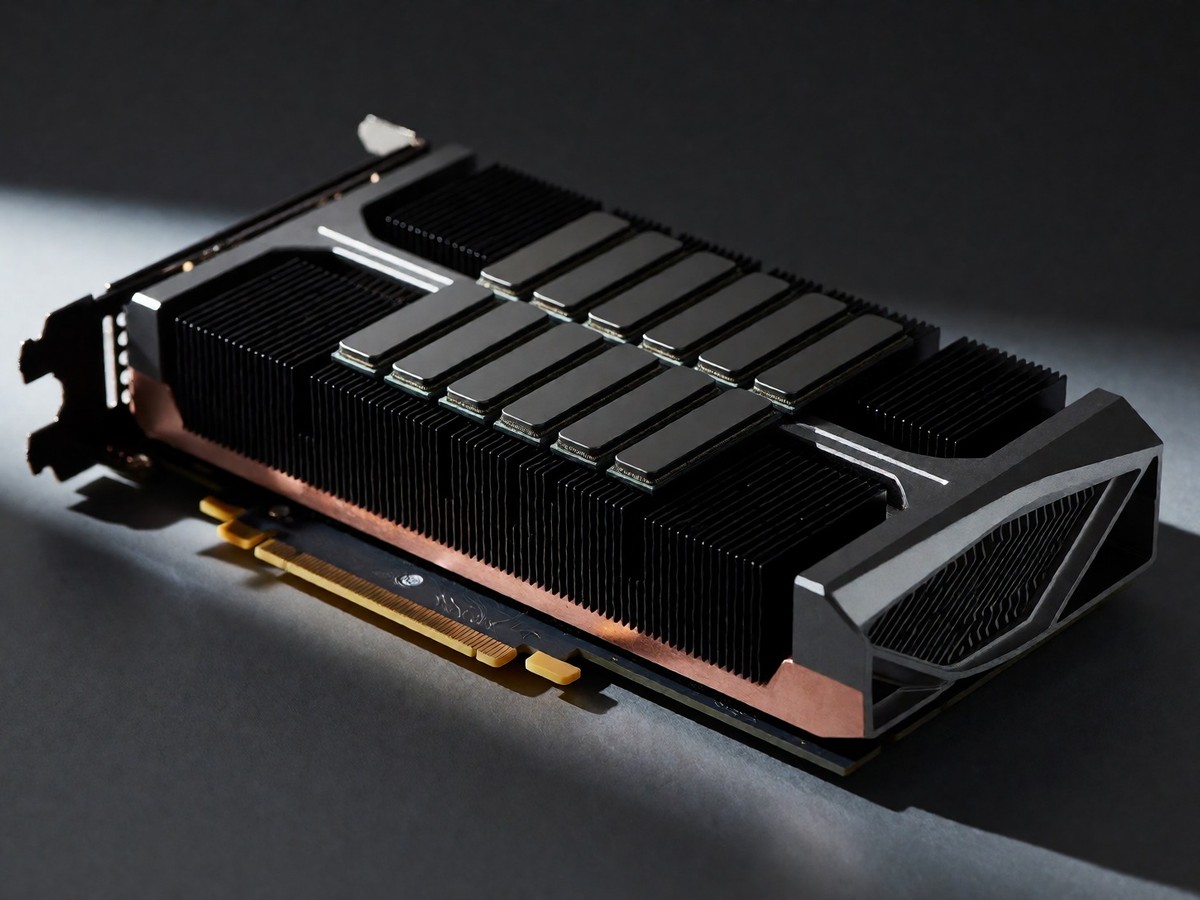
AMD MI350X vs Intel Gaudi 3: TCO for Llama 4 Clusters
AMD’s MI350X offers superior VRAM capacity and bandwidth for Meta’s Llama 4 Maverick models compared to Intel Gaudi 3. While Gaudi 3…
-

Wayve’s $1.2B Series D and the shift to AI-native autonomous licensing
Wayve secured $1.2 billion in Series D funding to advance its end-to-end AI Driver platform. The company plans to launch commercial robotaxi…
-

Common data licensing mistakes in generative AI training agreements
An assessment of 30 open source AI models reveals that 76% contain training datasets with licenses incompatible with the model’s own declared…
-
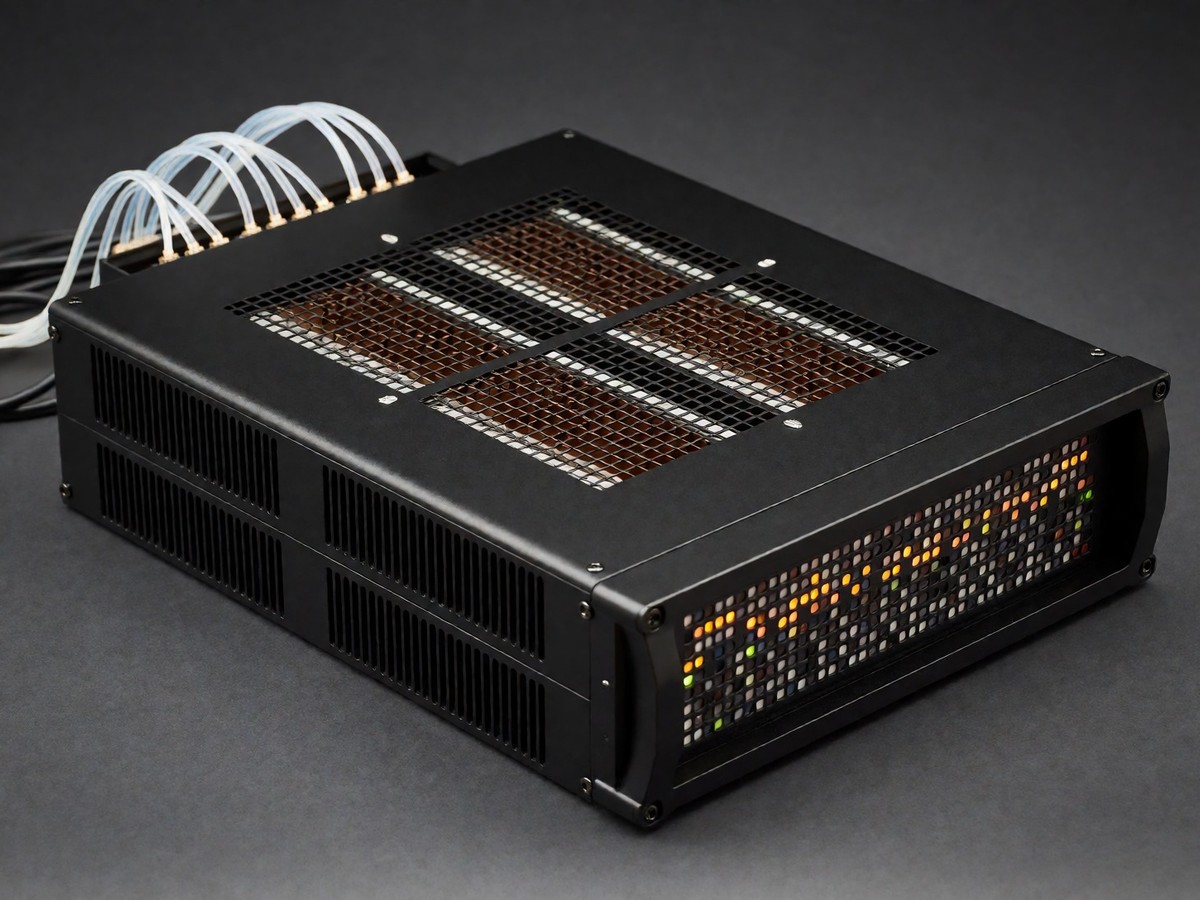
High-efficiency inference with Positron Atlas
The Positron Atlas accelerator delivers 280 tokens per second per user for Llama 3.1 8B while using only 33% of the power…
-
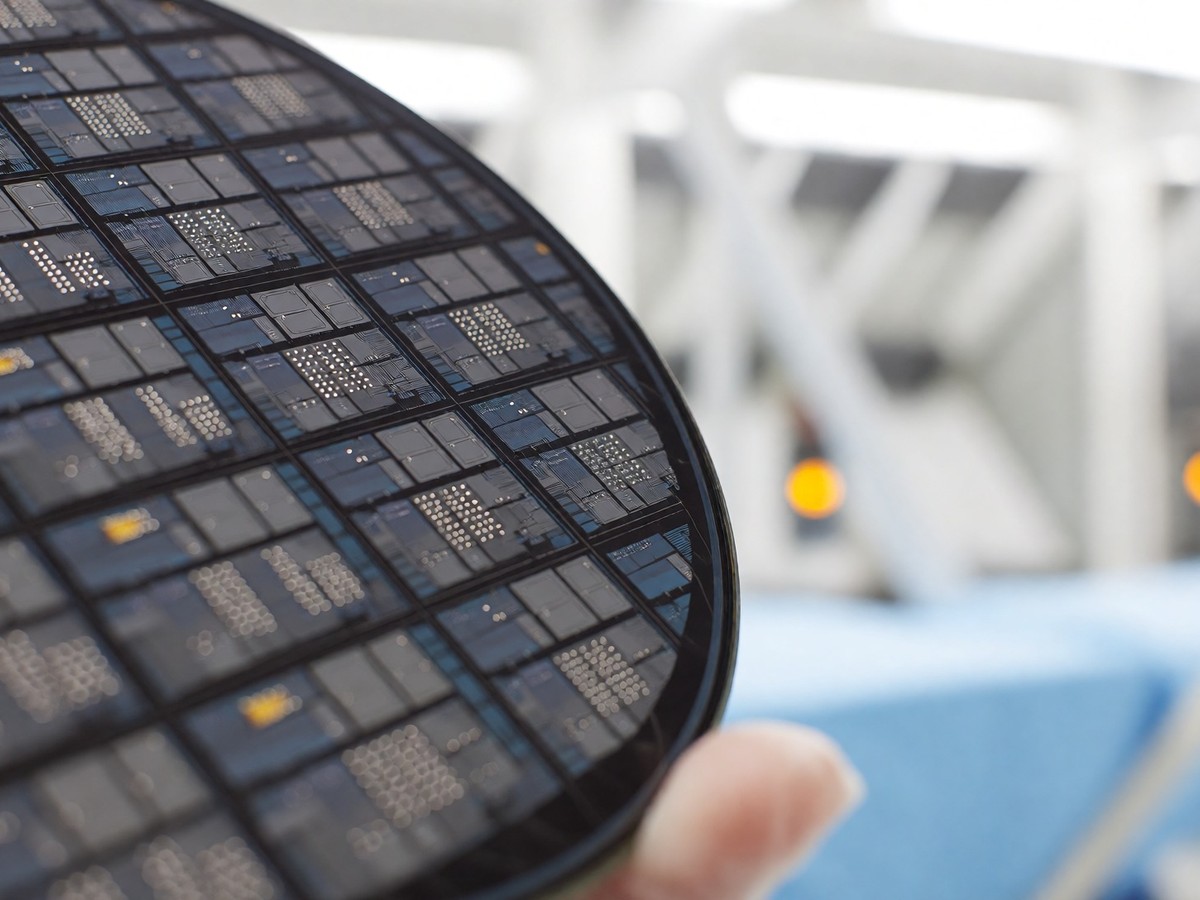
NVIDIA Blackwell Ultra supply chain risks and OpenAI Stargate delivery
OpenAI’s $500 billion Stargate project faces critical delivery risks from TSMC CoWoS packaging bottlenecks, HBM memory shortages, and regulatory delays in New…
-

TSMC A16 yields and Intel 18A capacity for AI accelerators
TSMC maintains a manufacturing lead with N2 yield rates between 70% and 80%, while Intel’s 18A process targets low defect density for…
-

Common prompt injection mistakes exposing Claude 4 enterprise API
Security vulnerabilities in Claude Code and the Anthropic Files API allow for indirect prompt injection and data exfiltration. Researchers demonstrated how attackers…