
AI News, Research and Tool Reviews
-
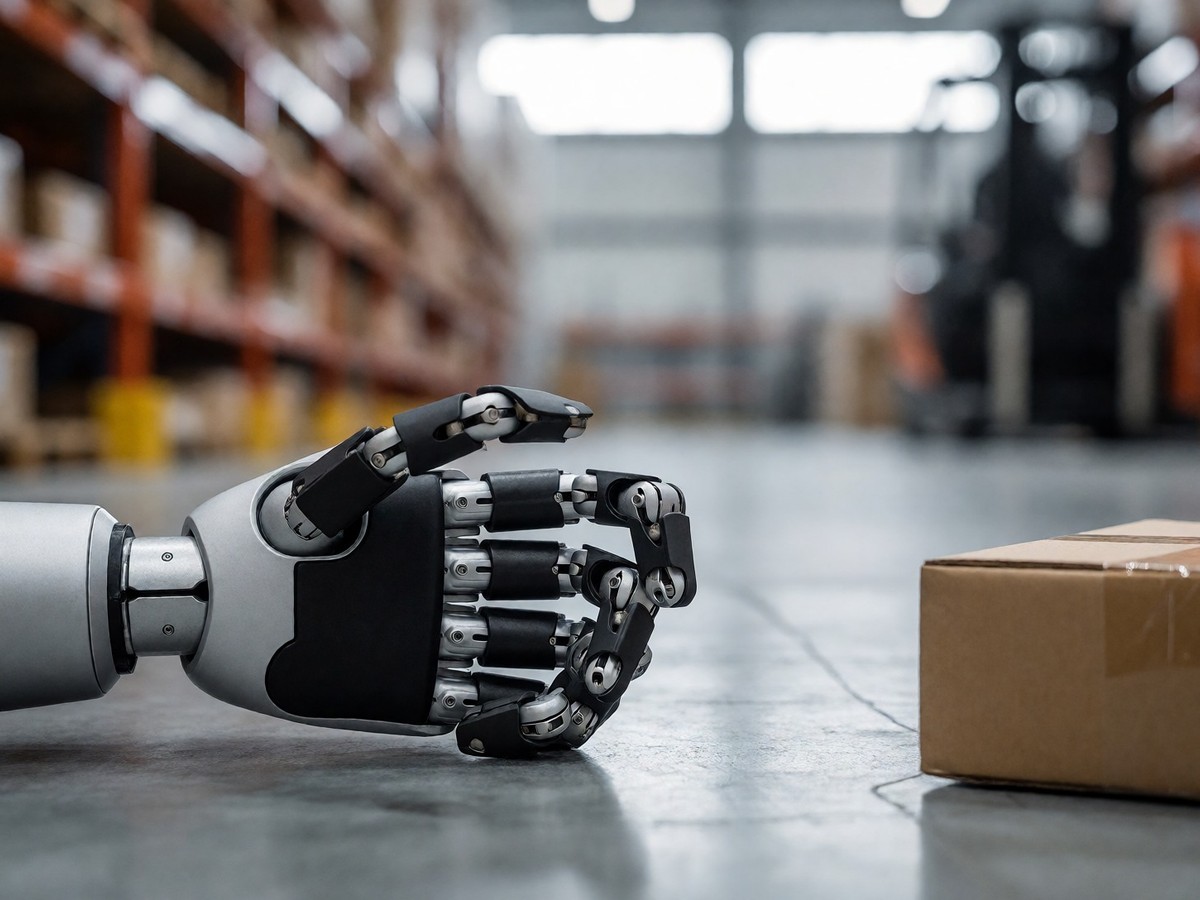
Physical Intelligence vs hardware giants Figure and Tesla
Physical Intelligence uses its pi0 model to achieve 99.9% reliability in robotic tasks. While Figure 02 targets enterprise buyers with a $50,000 price tag, Tesla aims for much…

-
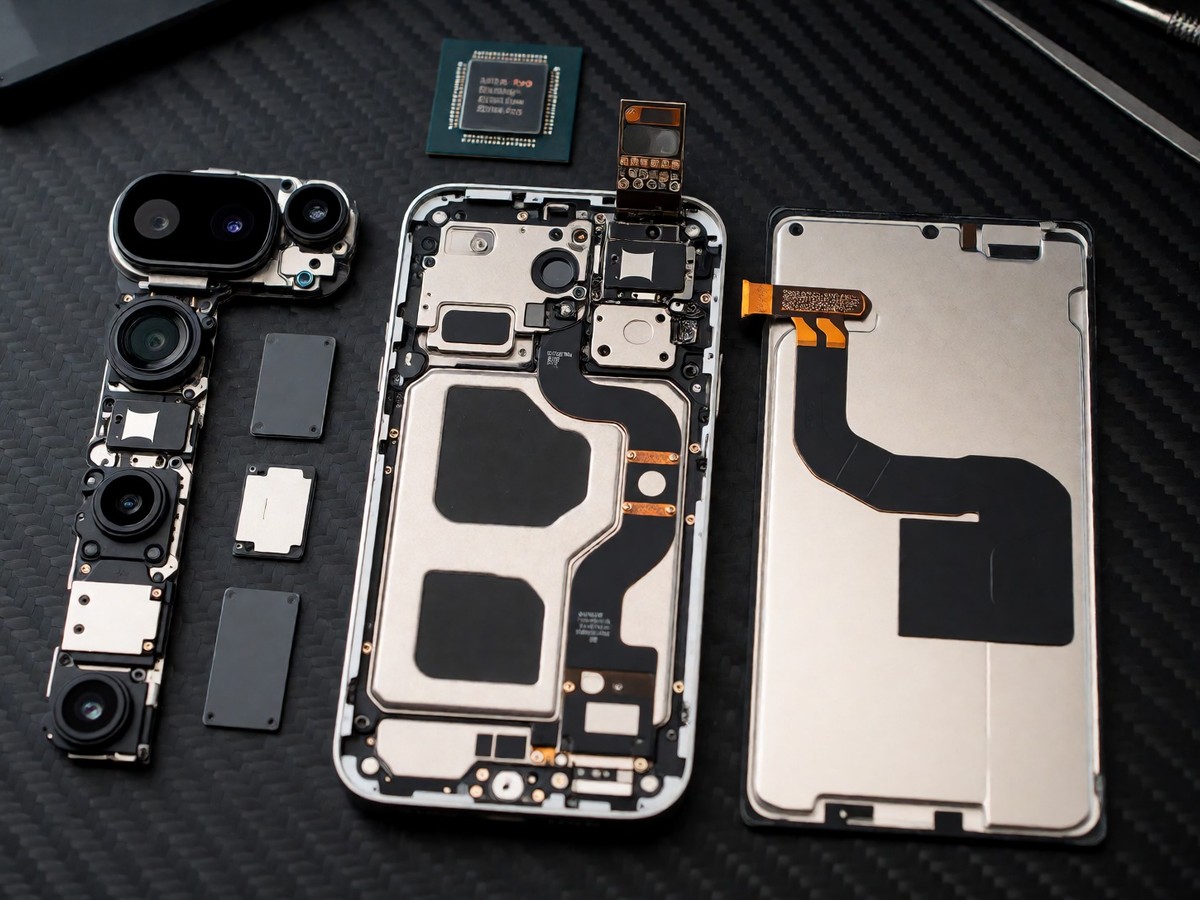
Thermal constraints and latency in iPhone 17 Pro Apple Intelligence
The iPhone 17 Pro uses an A19 Pro chip and vapor chamber to manage heat, but intensive AI workloads risk thermal throttling.…
-
Midjourney V7 style personalization and brand asset workflows
Midjourney V7 introduces Draft Mode and advanced style personalization to streamline professional creative workflows. These features allow teams to generate high-quality brand…
-

Groq LPU vs SambaNova SN40L: Llama 4 inference comparison
SambaNova’s SN40L outperforms Groq’s LPU for Llama 4 Maverick deployments by utilizing a three-tier memory system. While Groq requires 576 chips for…
-
The history of NVIDIA NVLink from Kepler to Blackwell Ultra
Trace the evolution of NVIDIA NVLink from the 160 GB/s Tesla P100 to the 3.6 TB/s Vera Rubin platform. This technical history…
-
Myths vs facts about GPT-5 reasoning and Claude 4 Opus benchmarks
GPT-5 achieves 92.6% accuracy on standard benchmarks, outperforming GPT-4o in math and coding. However, Claude 4.7 shows superior performance in specific areas,…
-
Google schedules Gemini 2.5 Flash deprecation for October 2026
Google has announced the deprecation of Gemini 2.5 Flash for October 16, 2026. Developers must migrate to Gemini 3.5 Flash or Gemini…
-
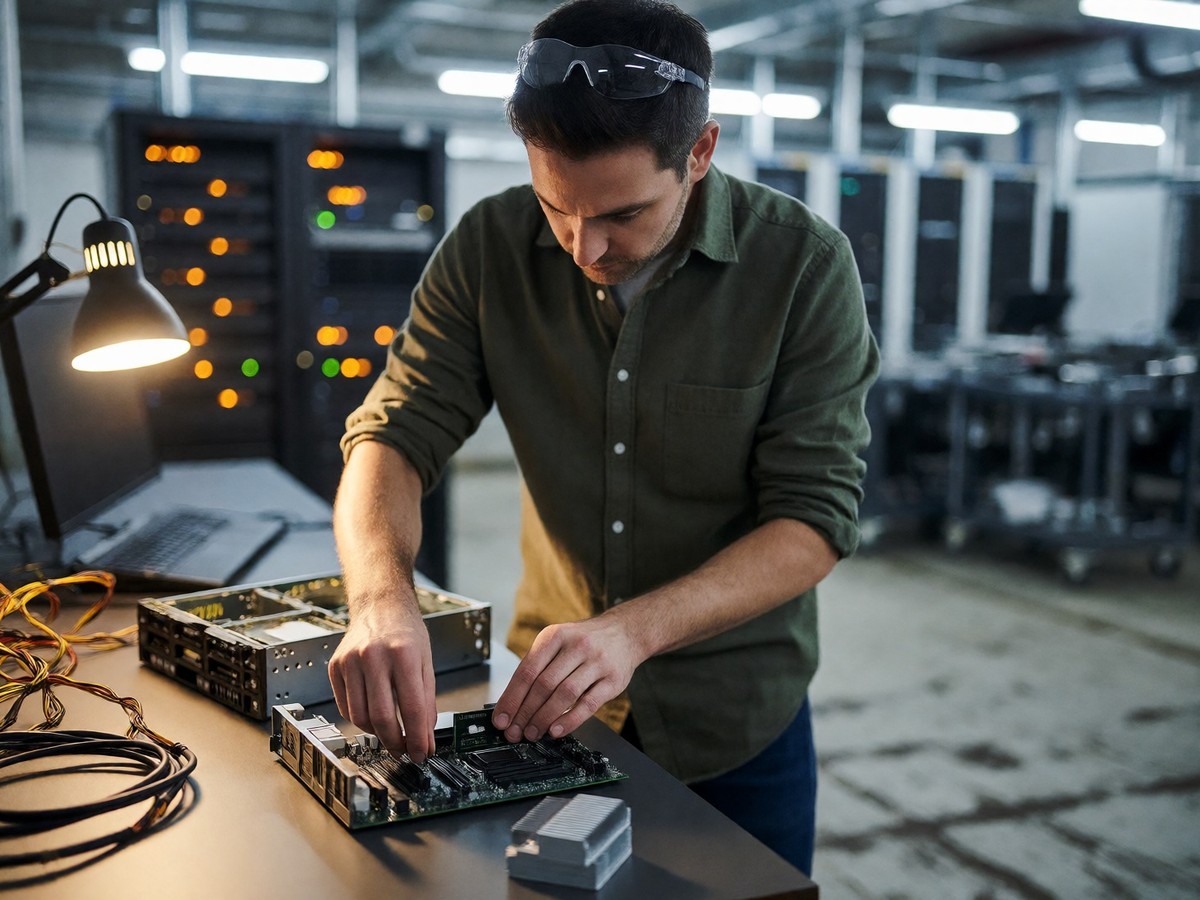
Snowflake Cortex AI revenue growth vs Databricks MLflow adoption
Databricks leads in AI monetization with a $1 billion revenue run-rate compared to Snowflake’s $100 million. While Databricks leverages MLflow for machine…
-

Databricks Mosaic AI agent platform pricing mechanisms
This analysis explores how Databricks uses the DBU model to charge for AI agent development. It details cost drivers like Mosaic AI…