D-Wave reported $3.1 million in revenue for the June quarter, a 42% increase, while first half bookings reached $35.5 million, an increase of 1,120% year over year. Remaining performance obligations hit $40.7 million, up 668% year over year. I find the company’s growth trajectory massive even though it reported an 8-cent adjusted loss for the quarter, which exceeded the 5-cent loss Wall Street analysts anticipated. This wider loss resulted from non-cash, non-operating charges related to the remeasurement of warrant liability. D-Wave also completed a $550 million acquisition of Quantum Circuits, Inc. in January 2026 with $250 million in cash and $300 million in common stock. The stock portion of that deal tied to a 10-day Volume Weighted Average Price with a collar between $22.30 and $39.03. D-Wave stock fell 2.3% to 17.20 in early trading. IonQ saw a valuation reset as shares dropped 12% in the first week of 2026. Rigetti reported delays to its 108-qubit Cepheus system.
Qubit counts and hardware
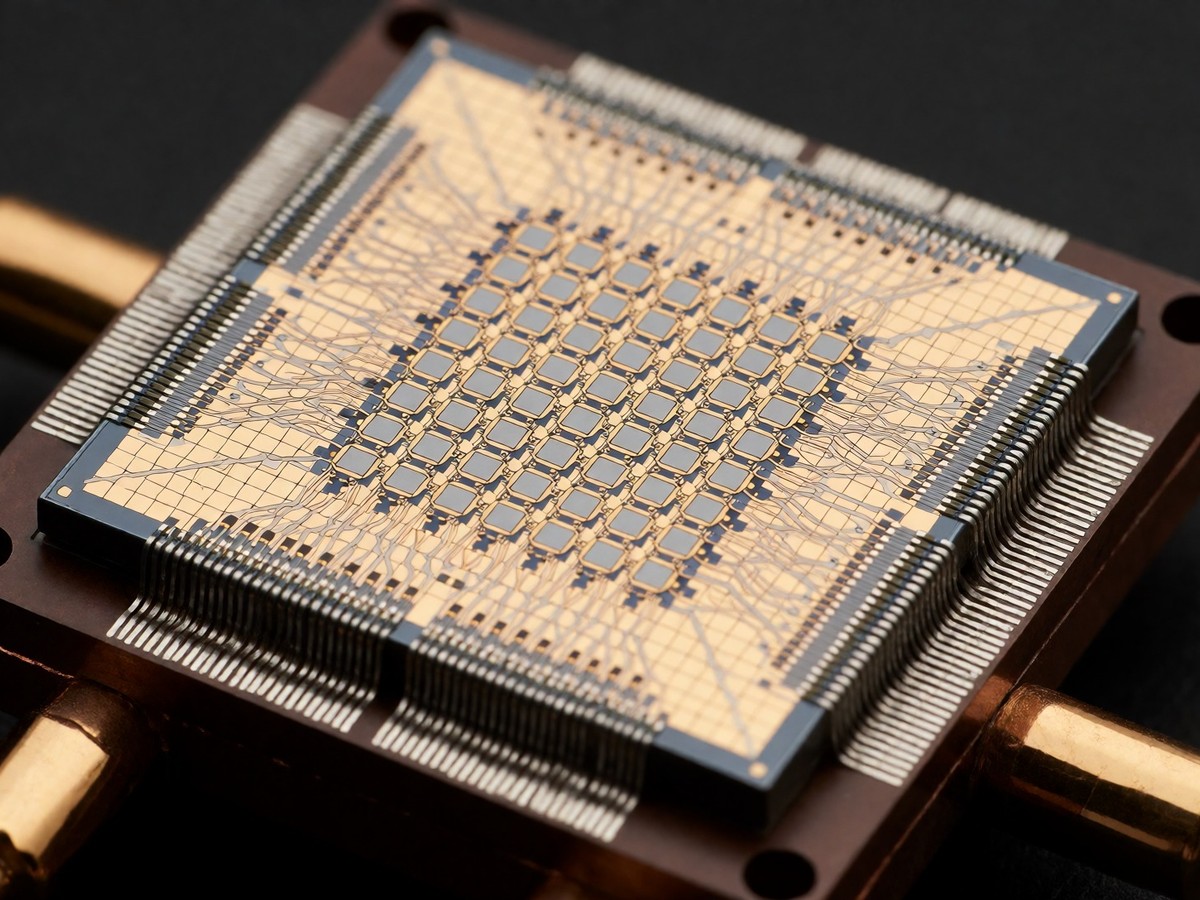
The Advantage2 system, which contains more than 4,400 qubits, arrived in Como, Italy, via a €10 million agreement with Swiss Quantum Technology SA to provide European researchers with production-grade annealing technology. This system, known as the VoltaB1 within the Q-Alliance ecosystem, will be installed at Villa Saporiti. The inauguration is on October 16. This event coincides with the bicentennial of Alessandro Volta’s death. D-Wave’s Advantage2 system outperformed a classical supercomputer on a complex materials simulation problem that would have taken the most powerful classical supercomputers nearly one million years and the world’s annual electricity consumption to solve. I find the disparity in qubit counts between D-Wave and IBM stark.
| System | Qubit Count | Type |
|---|---|---|
| D-Wave Advantage2 | 4,400+ | Annealing |
| IBM Condor | 1,121 | Gate-model |
| IBM Heron | 133 | Gate-model |
| IBM Eagle | 127 | Gate-model |
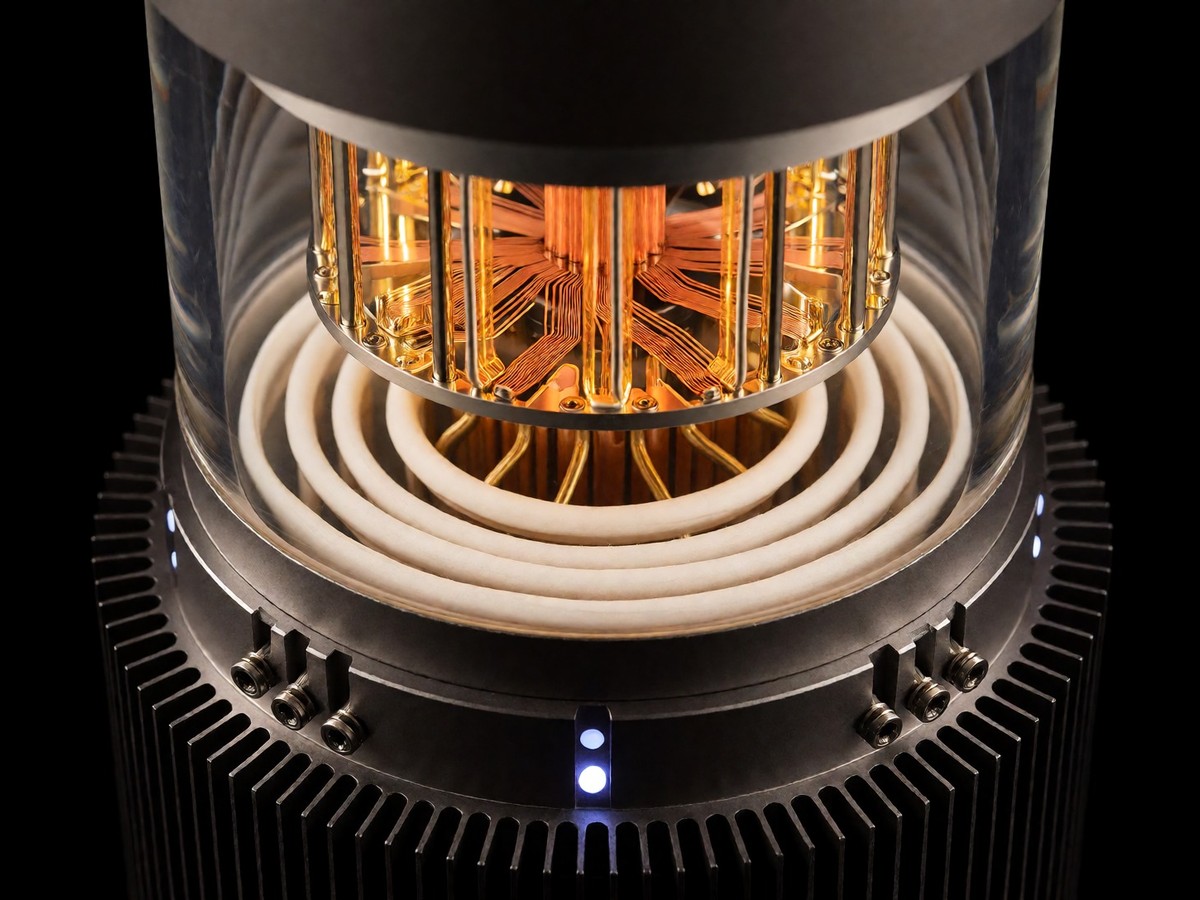
IBM launched its Condor processor in December 2023 with 1,121 superconducting qubits. The Heron processor has 133 qubits, while the Eagle processor has 127 qubits. IBM uses a heavy-hex lattice design. D-Wave’s dual-platform strategy combines annealing with gate-model systems. The company’s acquisition of QCI provides dual-rail qubit technology for error detection. This technology can convert noise into "erasure" errors.
The optimization market
A study by Wakefield Research and D-Wave found that 81% of business leaders believe classical optimization reached its limit. The survey of 400 managers showed that 27% expect a return of more than $5 million within 12 months of adoption, while 46% expect a return between $1 million and $5 million. 53% of leaders plan to build quantum computing into their workflows. Logistics, manufacturing, planning, and inventory areas represent the highest expected benefits. D-Wave’s Leap cloud service provides 99.9% availability. The company’s customers use its technology for supply chain, manufacturing, and resource allocation. D-Wave also received CAD $300,000 from the National Research Council of Canada to advance annealing software. The company targets a Lambda of 10 for its gate model architecture. This target reduces errors by a factor of 10 with each increment in error-correcting code. D-Wave expects to deliver a 17 physical qubit system later this year. You should note that the company has over 200 million problems submitted to its quantum systems. Manufacturers report they would go "above and beyond" for even a 5% improvement in optimization. Most leaders cite outdated technology, budgetary restrictions, or staffing bandwidth as hurdles. 36% of respondents rely on classical optimization that runs on conventional computers. 35% report a lack of skills or staffing bandwidth as a barrier. How long will the dual-rail gate-model system take to reach general availability via Leap?