Trillium v6e architecture and performance
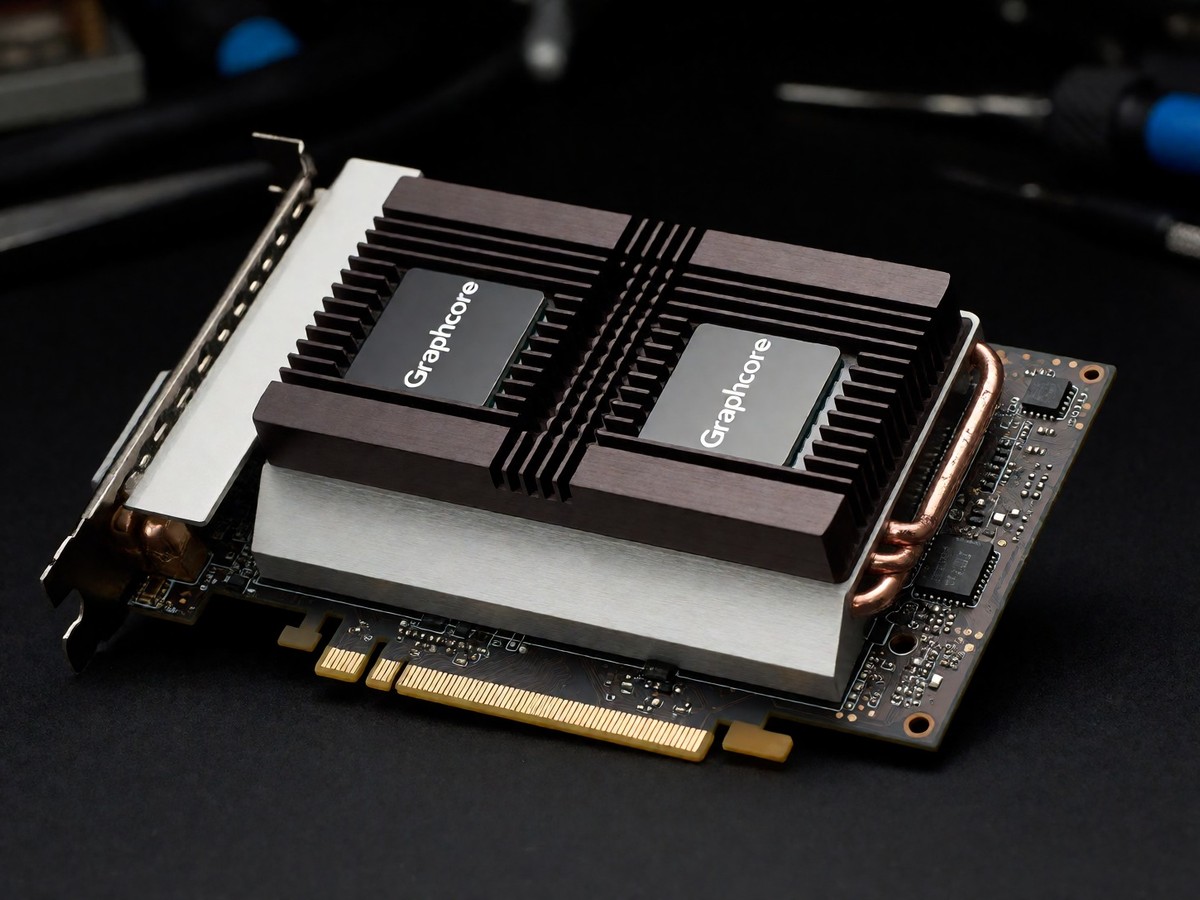
I find the Trillium v6e architecture strongest for massive matrix operations because each chip contains a 256×256 matrix-multiply unit. This chip delivers 918 TFLOPS of BF16 peak compute and 1836 TOPs of Int8 compute. The memory subsystem includes 32 GB of HBM with 1638 GBps of bandwidth per chip. Each chip connects to the host through a PCIe Gen5 interface and uses a 2D torus interconnect topology. The system can scale to a 256-chip Pod, where the BF16 peak compute reaches 234.9 PFLOPS. I note that the 67% energy efficiency improvement over the v5e version helps reduce costs for large-scale inference. Each v6e VM can contain 1, 4, or 8 chips, and 8-chip slices are optimized for single serving workloads. The chip also includes a 128×8 vector processing unit with 128 lanes and 8 sublanes, two cross-lane units, and a scalar processing unit. Each chip also provides 4 ICI ports and 800 GBps of bidirectional inter-chip interconnect bandwidth. The host provides 1536 GiB of DRAM and 4 x 200 Gbps NICs per host. However, the lack of native FP4 support makes the chip less competitive against newer Blackwell models. You already know the difficulty of moving away from CUDA, so the requirement to use the XLA compiler for all workloads remains a significant hurdle. Because the systolic array architecture handles irregular compute patterns less efficiently than GPU streaming multiprocessors, MoE models like DeepSeek V4 may struggle on this hardware. Every custom CUDA kernel in your stack, such as AWQ or GPTQ dequantization, needs an XLA-compatible equivalent or it will be dropped.
AWS Trainium3 and the Neuron ecosystem
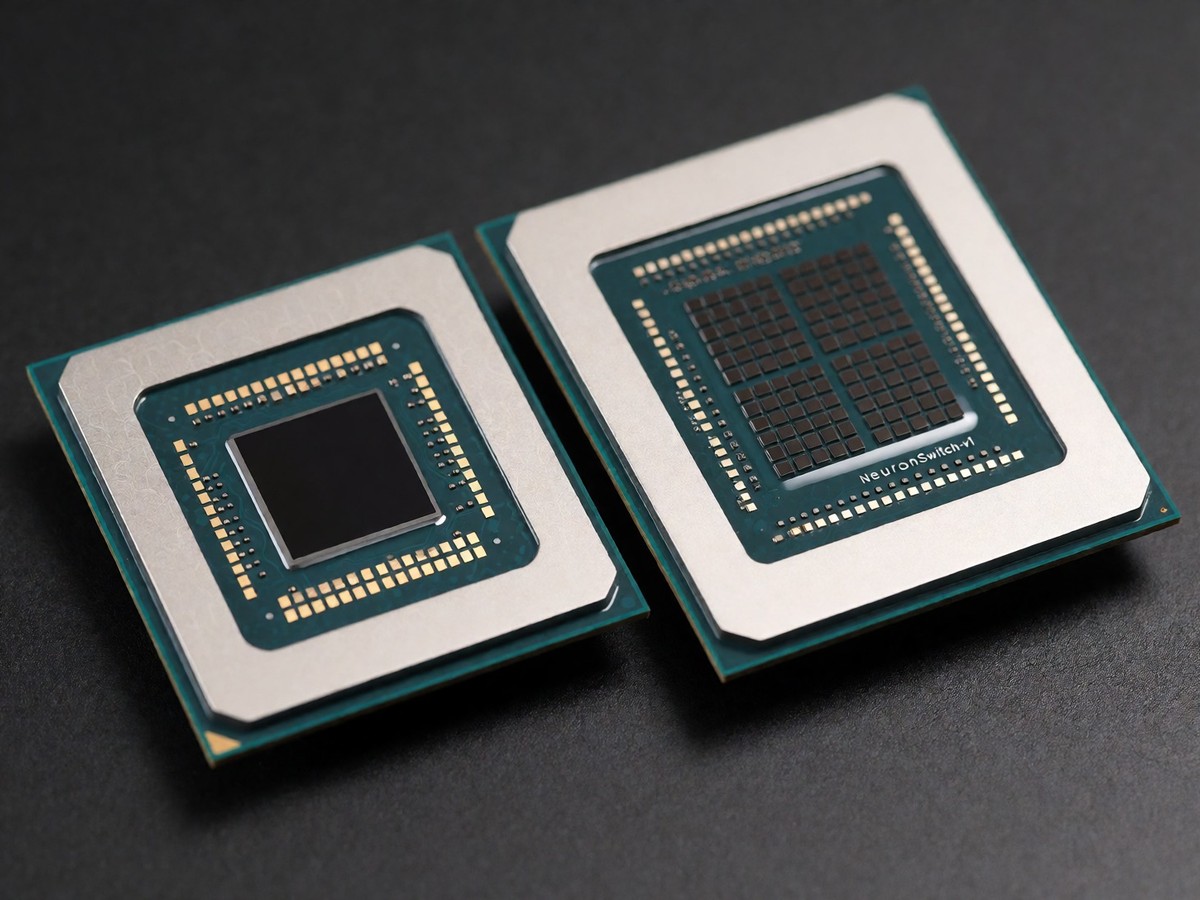
AWS Trainium3 provides 4.4x more compute performance and 4x higher energy efficiency than the Trainium2 chip. This 3nm silicon sits in UltraServers that house up to 144 chips and reach 362 FP8 petaFLOPs. The NeuronSwitch-v1 component doubles the bandwidth within the UltraServer, and the Neuron Fabric limits communication latencies between chips to under 10 microseconds. I find the software integration particularly useful for existing PyTorch users. TorchNeuron provides a native PyTorch backend that allows developers to treat Trainium as a standard PyTorch device. This integration reduces the friction of moving tensors and models to the Neuron platform. Decart reports that using Trainium3 allows for 4x faster frame generation at half the cost of using GPUs. Customers like Anthropic and Richo also report training cost reductions of up to 50% using Trainium-based infrastructure. The Trainium3 chip also aims to support much larger models by providing nearly four times more memory bandwidth than its predecessor. AWS can scale these systems to one million Trainium chips via EC2 UltraClusters 3.0. I see the Trainium3 ecosystem as a way to reduce the high costs of training and serving large-scale foundation models.
Deciding between Trillium and Trainium3
The choice between Google’s Trillium and AWS’s Trainium3 depends on your existing software stack and your specific workload needs. I choose Trillium for JAX-native, large-batch Gemini workloads on Google Cloud because the 1.6 TB/s memory bandwidth handles high-throughput requirements well. Trillium excels at predictable, regular matrix shapes. I choose Trainium3 if you need to run PyTorch with minimal code changes because TorchNeuron avoids the manual trace and compile API bottlenecks. AWS Trainium3 scales to 362 FP8 petaFLOPs in a single UltraServer, while Trillium uses a 256-chip Pod footprint. The Trillium v6e chip delivers 918 TFLOPS of BF16 peak compute per chip alongside 32 GB of HBM with 1.6 TB/s of memory bandwidth to support large-scale inference workloads. Trillium’s 32 GB HBM capacity per chip remains a limit for very large models. For 70B-class models, Google reports 300 to 400 tokens per second per chip at batch 8, whereas B200 instances on vLLM reach 800 to 1,200 tokens per second per GPU at batch 8. Does the benefit of a more "CUDA-like" experience in AWS outweigh the performance lead of Google’s specialized JAX optimizations?