The May 2026 Nasdaq Debut
Cerebras Systems reached a $95 billion market capitalization following its May 2026 debut on the Nasdaq Global Select Market under the ticker CBRS. The company priced its Class A common stock at $185 per share, a figure that surpassed the revised range of $150 to $160 after investor orders for the offering exceeded $10 billion against the $3.5 billion of shares originally on offer. This pricing followed a period of intense bookbuilding where demand exceeded availability by 20 times. The price range evolved from an initial $115 to $125 disclosed in the May 4 amended S-1 to $125 to $135, before reaching the final $150 to $160 level. The offering closed on May 15, 2026, after the company issued 34.5 million shares, which included the underwriters’ option to purchase 4.5 million additional shares. Total gross proceeds reached $6.4 billion, which was higher than the original $3.5 billion projection. On the first trading day, May 14, 2026, shares traded near $350 and closed at $311, marking a 68% gain. This debut remains the largest US tech IPO since the 2019 Uber market debut. Morgan Stanley, Citigroup, Barclays, and UBS managed the offering.
Revenue Trajectory and Wafer-Scale Hardware
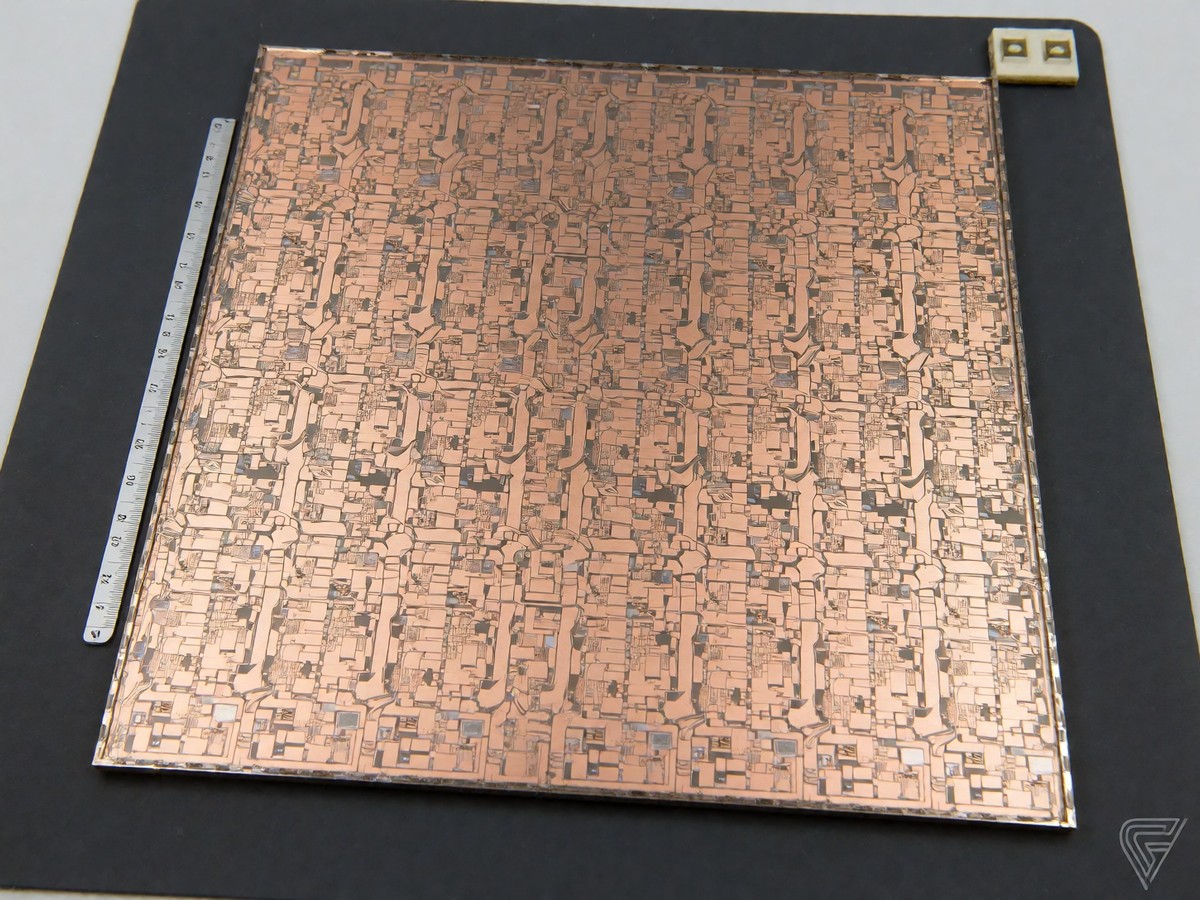
The company reports 2025 revenue of $510 million and a 76% year-on-year growth rate. For the third quarter of 2026 ending September 30, Cerebras reported $210.8 million in GAAP revenue, a 55% increase from the previous year. Core revenue for that same period reached $230.9 million and a 70% growth rate. The company reported a GAAP net loss of $161.2 million and a Core net income of $29.8 million for the quarter. This follows a 2025 net income of $238 million with a 47% net margin. In a prior quarter, hardware sales rose 59% to $110.6 million, while cloud and other services revenue jumped 178% to $82.8 million. Previous quarterly revenue for 2026 included $180 million in the second quarter and $193 million in the first quarter. The company expects fourth-quarter Core revenue to fall between $310 million and $330 million, supporting a full-year 2026 Core revenue forecast of $940 million to $960 million. You should track these figures against the company’s goal to triple revenue in 2027 to approximately $2.85 billion. The flagship Wafer Scale Engine 3 hardware provides 21 petabytes per second of memory bandwidth. This processor contains four trillion transistors and measures 58 times larger than a leading GPU die. The design delivers 15x faster inference on leading open-source AI models while using less power per unit of compute. The company currently moves toward full production of the CS-4 system, while the next-generation CS-5 targets early summer 2027.
| Hardware Specification | Value |
|---|---|
| WSE-3 transistors | 4 trillion |
| WSE-3 memory bandwidth | 21 petabytes per second |
| CG-1 training capacity | 4 exaFLOPs |
| CG-1 compute cores | 54 million |
| CG-1 fabric bandwidth | 388 terabits per second |
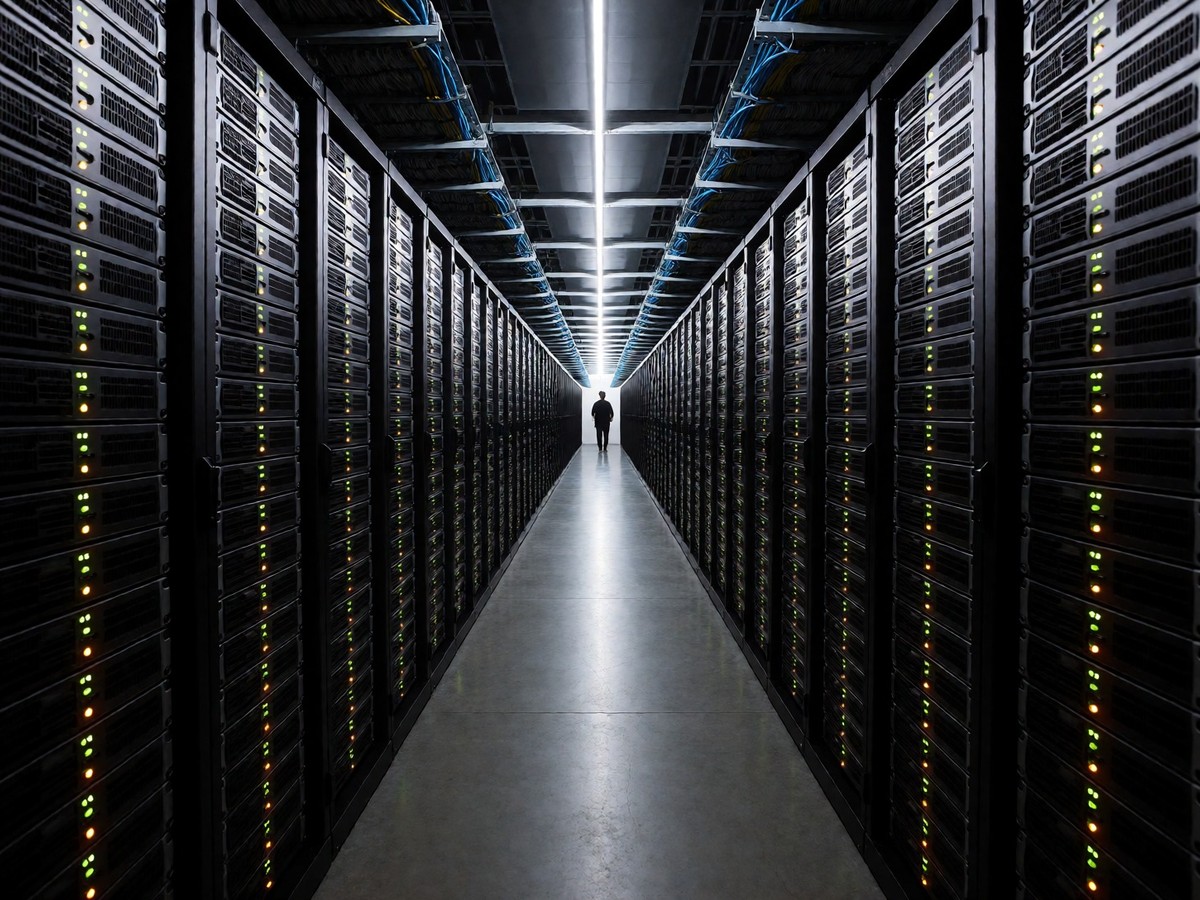
| CG-1 CPU cores | 72,704 AMD EPYC |
Strategic Partnerships and Concentration Risks
The $20 billion multi-year compute deal with OpenAI covers 750 megawatts of inference capacity. This agreement includes options to expand to two gigawatts by 2030. In March 2026, AWS agreed to deploy CS-3 systems inside Amazon data centers and make them available through Amazon Bedrock. A new relationship with Microsoft began in October 2026. These contracts provide revenue visibility, but the company faces high customer concentration because 86% of 2025 revenue came from two UAE-linked entities. The core operating business ran at a loss in 2025. The company also signed a cloud agreement with Oracle Cloud Infrastructure for inference technology in 2027. In the UAE, the Condor Galaxy 1 system links 64 Cerebras CS-2 systems together to provide 4 exaFLOPs of training capacity, using 54 million cores and 72,704 AMD EPYC processor cores. This system provides 388 terabits per second of fabric bandwidth. The total planned capacity for the Condor Galaxy network reaches 36 exaFLOPs. Cerebras and G42 also plan to interconnect these systems into a 12 exaFLOP distributed AI supercomputer consisting of 192 Cerebras CS-2s. Will the company maintain its hardware lead as rivals increase research spending?