The Helix control hierarchy
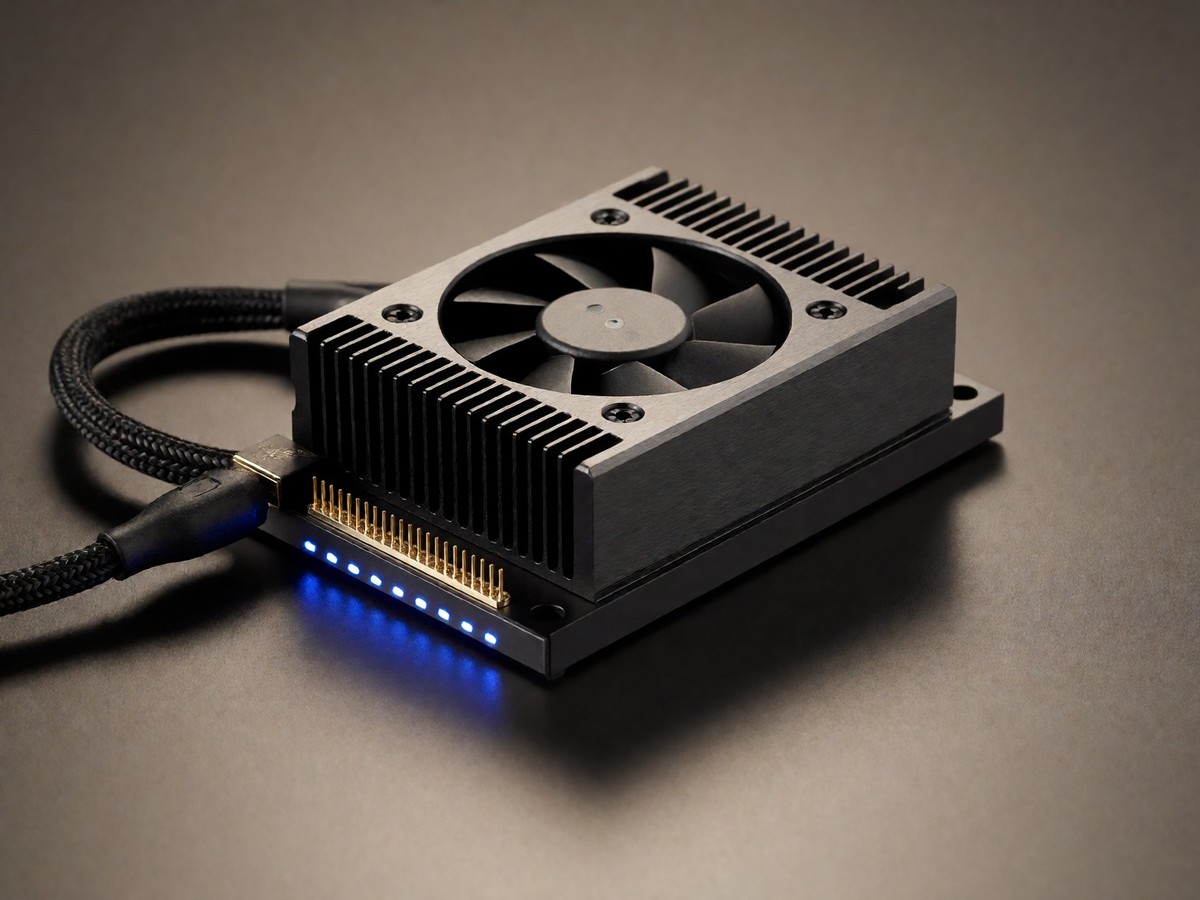
Figure AI’s Helix system runs a three-layer hierarchy that splits reasoning from motor control. The System 2 module uses a 7-billion-parameter language processor to handle scene interpretation and task decomposition at 7 to 9 Hz. This component handles cross-robot communication through learned latent representations. It communicates semantic goals to System 1, an 80-million-parameter transformer that produces full-body joint targets at 200 Hz. This second layer translates semantic plans into precise joint movements. A third foundation layer, System 0, executes balance and contact at 1 kHz to maintain stability. This architecture runs on local Nvidia Jetson Orin modules using 4-bit precision to reduce computational overhead by 23 times compared to cloud-dependent alternatives. The training involves 500 hours of human demonstration data and 78% synthetic data generated through simulation. The model uses contrastive learning on 340 million web images to ground visual features to linguistic descriptors. The system integrates visual, tactile, and proprioceptive data to every actuator. This integration helps the robot adjust its feet, torso, arms, and hands as a single, continuous, and highly coordinated movement unfolds during complex tasks.
Physical performance and task success
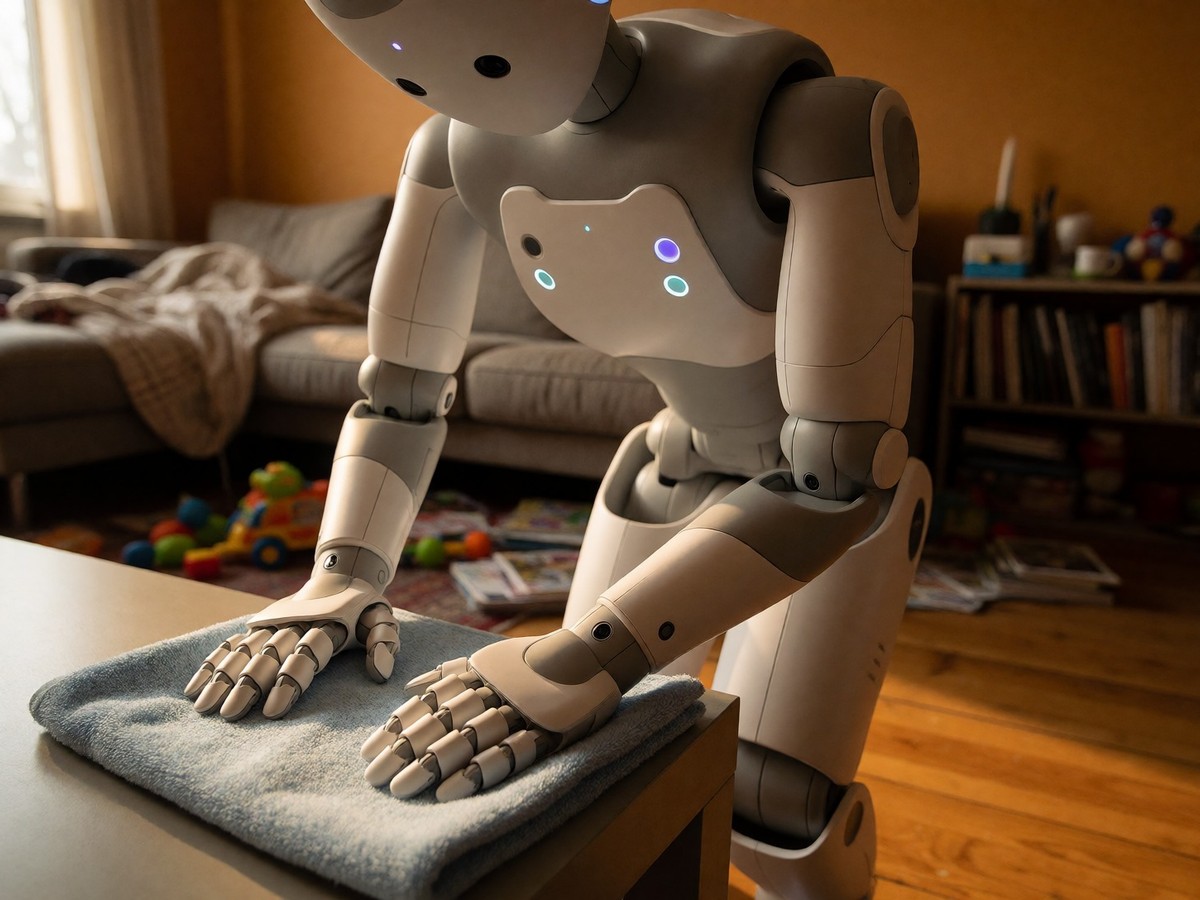
The Helix system provides the best autonomous coordination seen in humanoid robots. In a September 2026 test, the Helix 2.5 model completed three household tasks in 30 unseen homes with a 56% full-task success rate. This success rate shows the system fails nearly half the time in unpracticed environments. The robot performed tasks such as folding towels, making a bed, and tidying living rooms. In another demonstration, a robot completed a four-minute dishwasher cycle through 61 separate loco-manipulation actions without any human help. The system achieved a 94.7% success rate in pick-and-place tasks for 27 material categories, including porcelain and silicone. This performance outpaced Google’s RT-2, which reached an 88.1% success rate. The robot also handles small items using palm cameras and fingertip sensors that detect forces as small as 3 grams, which allows it to manipulate objects even when the head camera view is blocked. It can extract a single pill from a medicine organizer or dispense exactly 5 milliliters from a syringe. The system manages multi-robot coordination through decentralized protocols. Two robots successfully coordinated to stock a refrigerator by using mutual gaze confirmation to align head cameras and establish intent. The model also demonstrates compositional understanding, such as when it correctly selected a toy cactus from mixed clutter to place it in a ceramic pot.
| Feature | Specification |
|---|---|
| System 2 Reasoning | 7-billion-parameter language model |
| System 1 Motion | 80-million-parameter transformer at 200 Hz |
| System 0 Balance | 1 kHz execution frequency |
| Pick-and-place success | 94.7% |
| Home task success | 56% |
| Tactile sensitivity | 3 grams |
Production and market competition
Figure AI produces Figure 03 robots at its BotQ facility. The company reports it can build approximately one robot per hour. This production capacity follows a July 2026 announcement that the factory completed 1,000 units. In April 2026, the company delivered more than 350 Figure 03 units. Figure AI holds a $39.5 billion valuation after a $1.5 billion funding round. The company plans to expand its training datasets to 5,000 hours and targets a $15,000 monthly rental model for commercial users. While Figure AI leads in autonomy, other companies occupy different market segments, such as Boston Dynamics, which makes the Atlas robot with a 2.3-meter reach and a 50-kilogram lift capacity. Agility Robotics produces the Digit robot, which completed 100,000 tote movements at a GXO facility, while Tesla prepares its Optimus production for wider use. Unitree leads the market in volume, having built about 18,000 bipedal humanoids as of August 2026. You should watch if consumer-grade reliability matches industrial precision. Can the system maintain this performance without more training data?