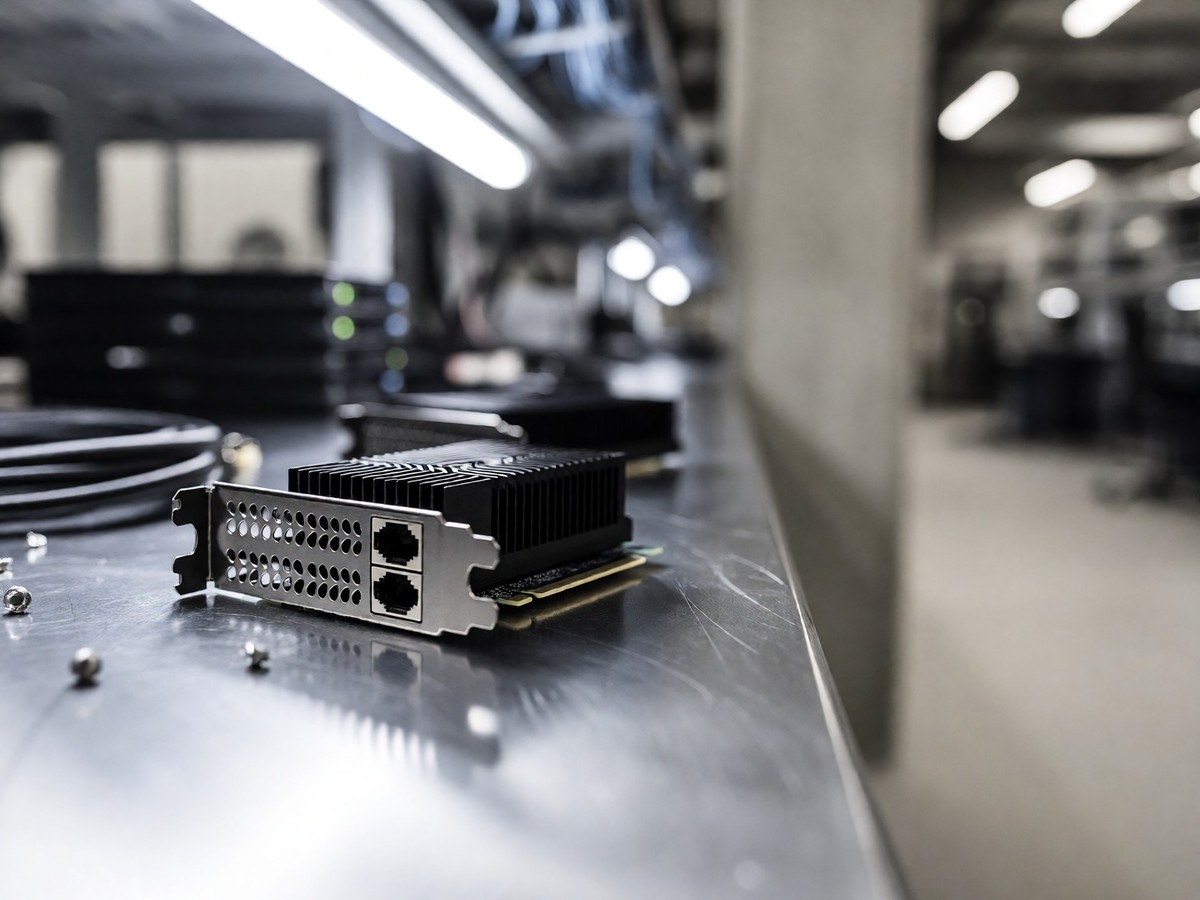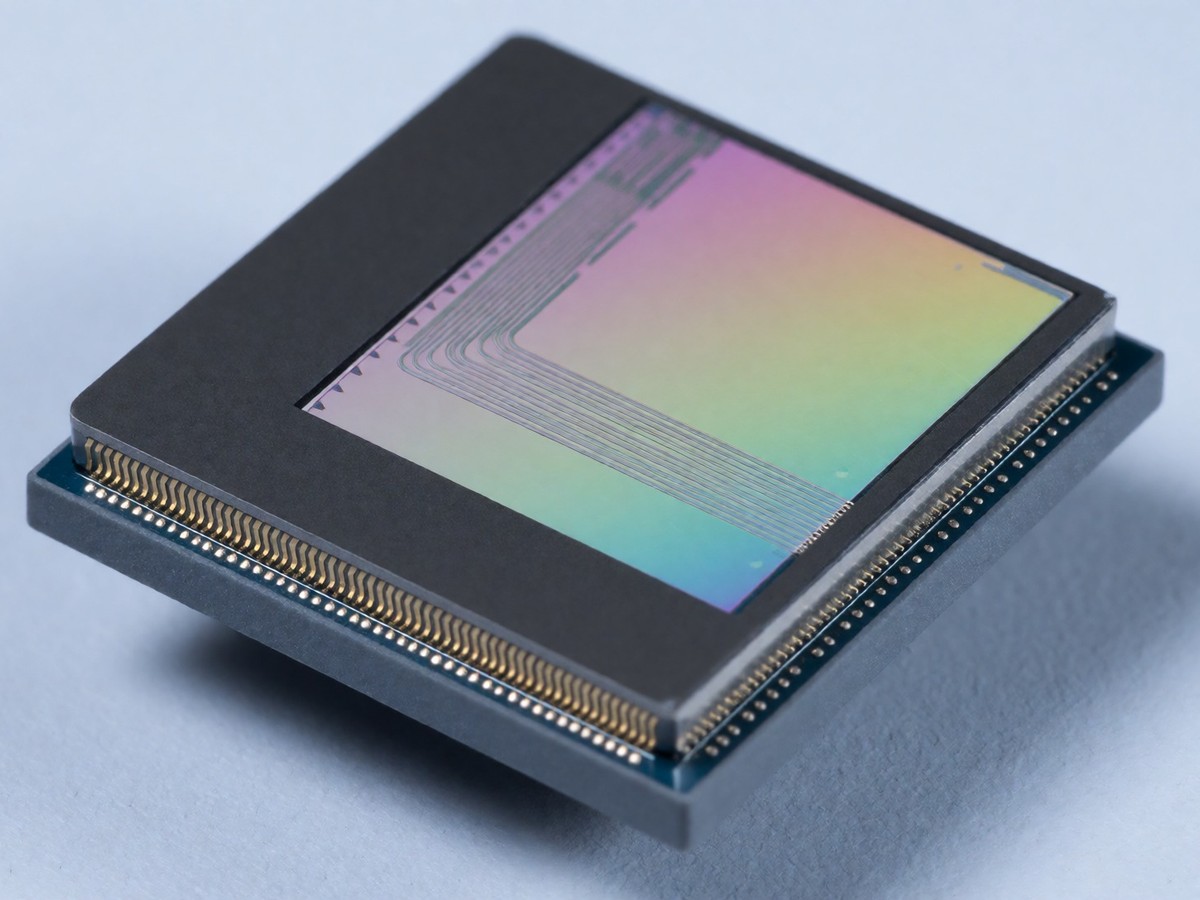
Asimov and Blackwell comparison
Asimov delivers 5.7M tokens per TCO dollar at 100 tokens per second per user. This exceeds the 2.4M tokens per dollar Blackwell GB300 NVL72 provides at the same generation speed. At 170 tokens per second per user, Asimov maintains 5.7M tokens per dollar while Blackwell drops to 221K tokens per dollar. You should know that these Asimov performance figures rely on cycle-accurate simulations rather than physical hardware testing. At 400 tokens per second per user, Asimov provides 2.7M tokens per dollar with a speed of 400 tokens per second per user, whereas Blackwell provides only 97 tokens per second per user at that efficiency level.
| Metric | Asimov (Simulated) | NVIDIA Blackwell GB300 NVL72 |
|---|---|---|
| Tokens/$ at 100 tokens/sec/user | 5.7M | 2.4M |
| Tokens/$ at 170 tokens/sec/user | 5.7M | 221K |
| Tokens/sec/user at 2.7M tokens/$ | 400 | 97 |
The premium-tier scenario compares Asimov at 400 tokens per second per user with Blackwell at its maximum shown speed of 170 tokens per second per user. The revenue gain equals the token efficiency at those operating points multiplied by a 2x selling-price multiplier. This calculation assumes an 8K/1K token mix and the same sold share of generated tokens. Anthropic lists Claude Opus 5 and 4.8 Fast Mode at $10 input and $50 output per million tokens against $5 and $25 standard rates. OpenAI launched GPT-5.5 Priority processing at 2.5x standard rates.
Photonic quantum scaling
Photonic uses a spin-photon qubit modality to build scalable, fault tolerant quantum systems. The Entanglement First architecture scales through dense qubit integration in a single integrated-silicon module. It also scales through distributed computing across telecom-networked modules and fast quantum operations with efficient error correction across thousands of stable qubits. Photonic aims for a future path to 200kHz for distributed entanglement with 99.8% fidelity. This architecture provides a path to large-scale quantum systems through the T centre. Does the integration of these modules actually resolve the scaling limits of conventional architectures?
The company scales performance with fast quantum operations. Photonic scales out through distributed computing across telecom-networked modules. Dr. Stephanie Simmons and Dr. Michael Thewalt founded the company in 2016 to address the scaling limits of conventional quantum computing architectures. Commercialization began in 2021 with a focus on system manufacturing. Photonic works toward the world’s first Level 3 implementation to deliver quantum supercomputing at scale. Enterprises and governments access these systems through global cloud-based services on Microsoft Azure or through dedicated private systems. These capabilities support Quantum Key Distribution and Quantum Repeaters for secure connectivity.
Positron development environment
Positron provides a free IDE for data science with transparent AI assistance. The tool connects to live Python or R sessions to help users explore, visualize, build, and debug. Users manage environments through venv, uv, pyenv, conda, mamba, or pixi. It requires R 4.2 or higher for R-based workflows. The IDE allows users to pivot between the exploratory narrative of a notebook and a persistent, multi-session console for Python, R, and SQL. The IDE also allows users to develop, generate, or preview local apps, APIs, notebooks, or reports, then publish with guided deployments.
The Windows 10, 11 x64 system level installer for Positron-2026.11.1-4 uses 494M. The MacOS 11.0+ arm64 installer size is 881M. For Debian-based Linux x64 users, the .deb package size is 507M. Red Hat-based Linux RHEL9 x64 users require a 573M .rpm file. The Windows 11 arm64 user level installer uses 482M. The MacOS 11.0+ x64 installer size is 911M. For Debian-based Linux arm64 users, the .deb package size is 480M. Red Hat-based Linux RHEL9 arm64 users require a 541M .rpm file.
Positron Pro on Amazon SageMaker is available in public preview as a custom Docker image. This image includes R, Python environment management via uv, Quarto, and Posit Assistant backed by Amazon Bedrock. It also includes professional ODBC drivers from Posit. The software is licensed under the Elastic License 2.0. Users can manipulate large local or remote datasets through an intuitive, fast, and interactive UI.