Capital and Architecture
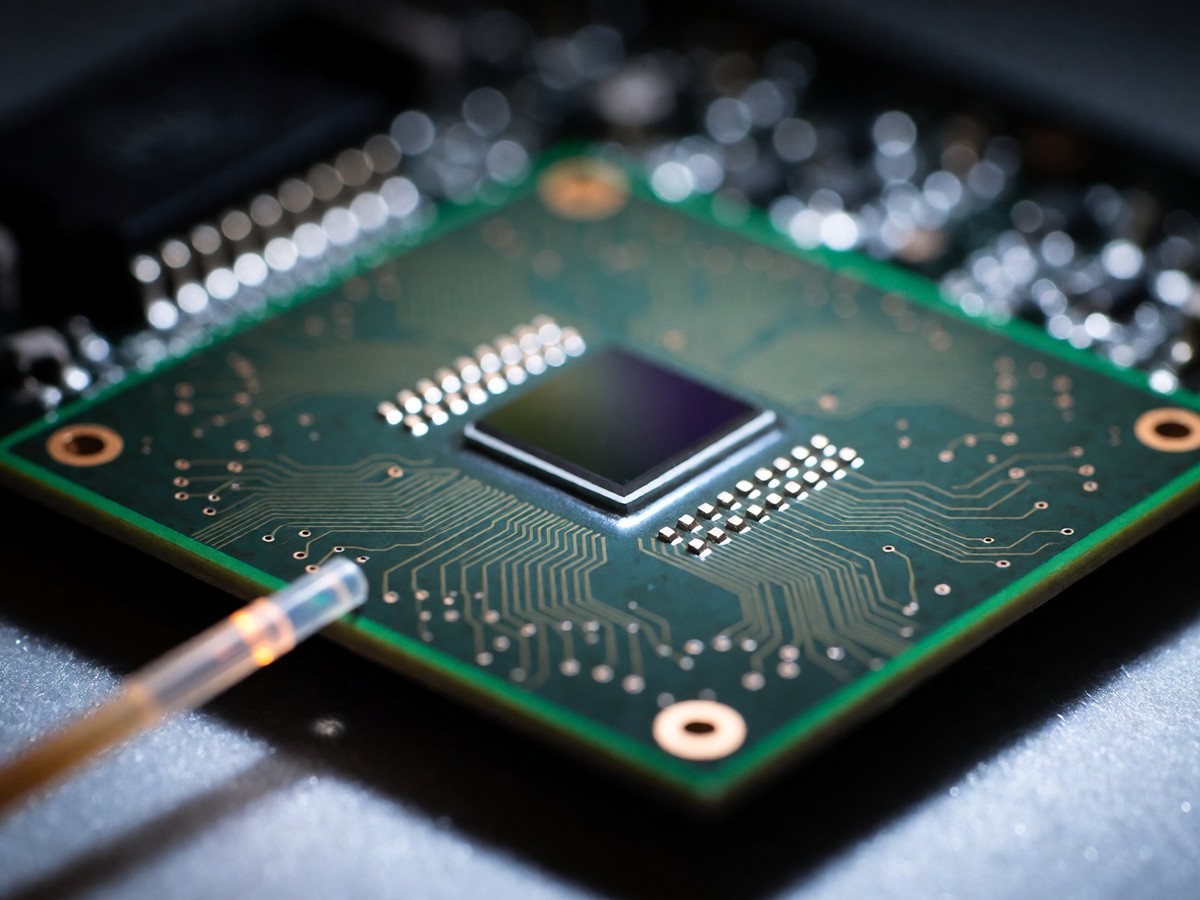
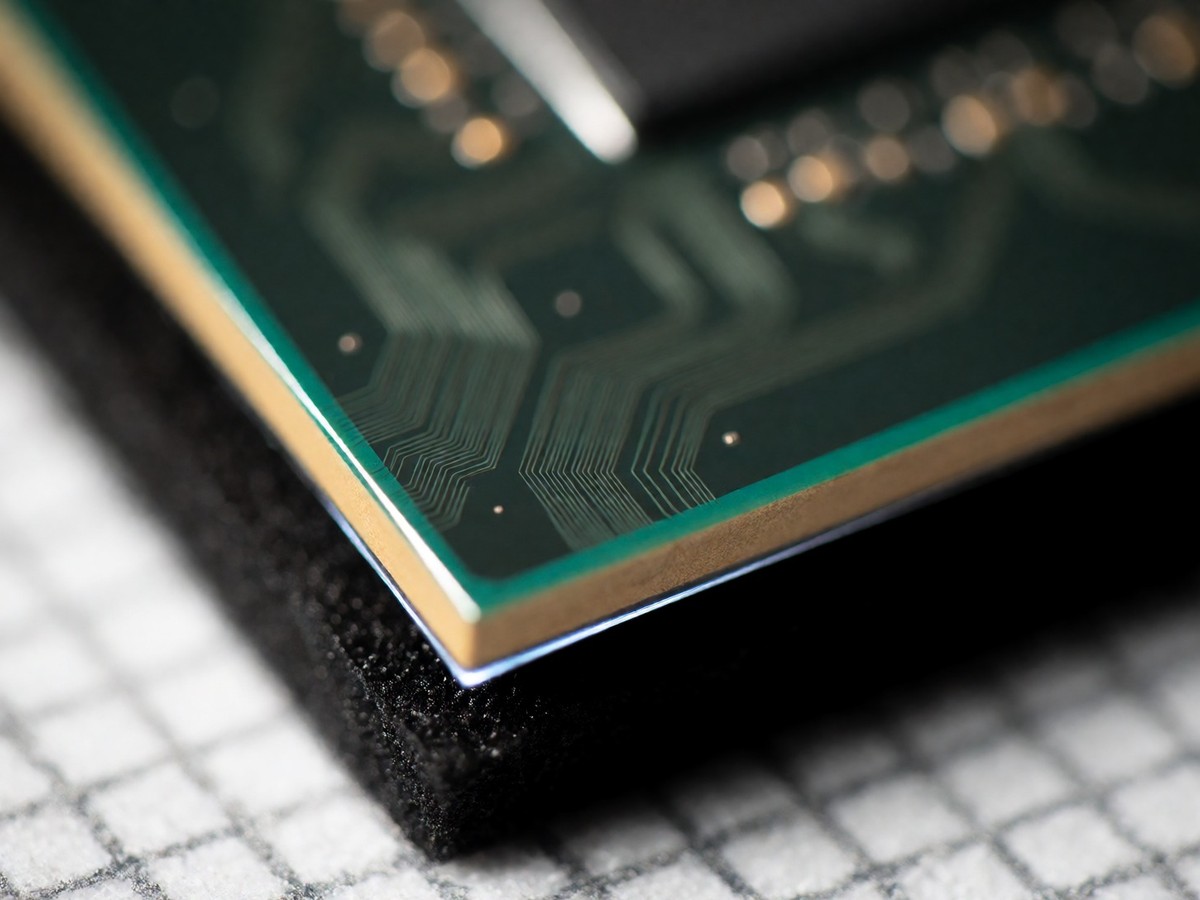
SambaNova closed a $1 billion Series F round that brings its valuation to $11 billion. This figure follows reports that Intel considered an acquisition for $1.6 billion, which included debt. I see the jump from $1.6 billion to $11 billion as a sign of market confidence. The company started in 2017 with co-founders Rodrigo Liang, Kunle Olukotun, and Christopher Re. Liang previously developed processors at Hewlett-Packard, Sun Microsystems, and Oracle. Olukotun is a pioneer in multicore processor design, and Re researches machine learning and AI infrastructure. SambaNova previously raised $676 million in a 2021 Series D round led by SoftBank Vision Fund 2. The company builds its own chips, server systems, cloud services, and software. The technology relies on the Reconfigurable Dataflow Unit (RDU). This architecture allows data to move across the chip like a pipeline to reduce the latency and power consumption that traditional GPUs experience. Traditional GPUs require frequent access to external memory during inference, which results in high energy use. The RDU avoids this by mapping the AI model graph directly to the chip. The SN40L chip, which TSMC manufactures, runs AI models more than twice the size that the advanced version of OpenAI’s ChatGPT is said to use and supports up to 5 trillion parameters.
The Enterprise and Sovereign Shift
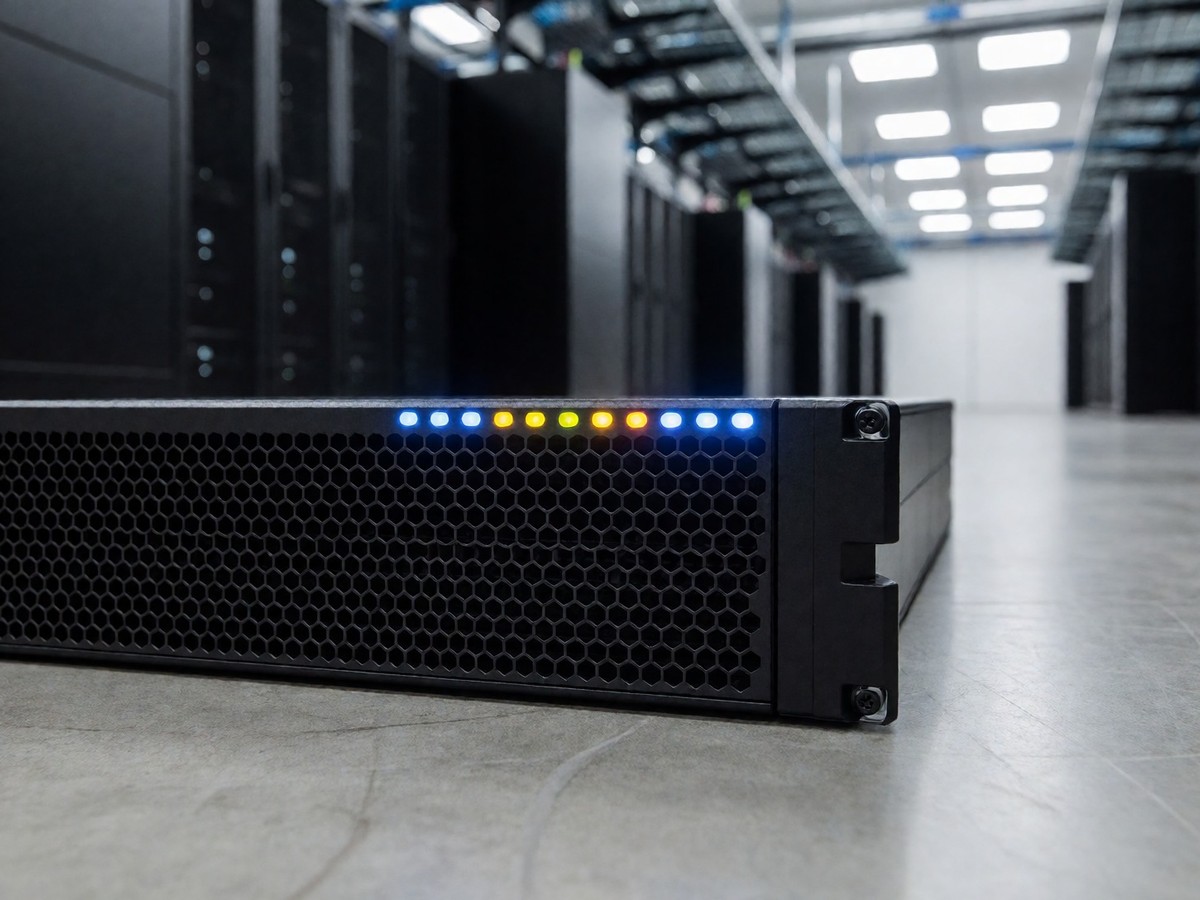
JPMorgan Chase selected SambaNova as a partner for inference infrastructure to deploy SN40 and SN50 systems for secure, on-premises AI inference that meets high standards for performance, control, and reliability. Darrin Alves, the CIO of JPMorgan Chase’s infrastructure platform, stated that the bank requires high standards for performance and stability. This selection points to the demand for sovereign AI. Large enterprises want to keep data under their own control and require predictable costs and consistent speeds. They avoid public clouds to maintain security and auditing standards. SambaNova focuses on agentic AI inference, which involves a multistep reasoning process where agents must understand and act. The SN50, released this year, targets agentic AI inference, which is ideal for AI coding agents and enterprise copilots. These systems allow for larger models and longer contexts when used with the SambaRack system. JPMorgan Chase’s requirements for data security and access control align with the SambaNova Suite’s ability to provide customer ownership of models. This allows companies to fine-tune models within their own environment using their own data. This hardware works alongside Intel’s CPUs to create a data center that functions like an assembly line. In this setup, GPUs ingest long prompts, RDUs output tokens, and CPUs orchestrate tools or execute code. Intel’s CEO, Chen Liwu, serves as chairman of SambaNova. This partnership helps provide affordable inference to model providers and government agencies. You already know that NVIDIA dominates the training market, so I will focus on why SambaNova targets the specific needs of enterprise inference. SambaNova once struggled with fundraising challenges, no revenue, and layoffs. Will the partnership with Intel provide enough scale to offset the dominance of NVIDIA in the enterprise data center?
The Inference Battleground
The inference market contains many specialized players. Groq raised $750 million in September 2025 and holds a $6.9 billion valuation. Groq also received a $1.5 billion commitment from Saudi Arabia for its inference chips. Cerebras has a market capitalization of $49 billion and generated $510 million in revenue last year. Etched reached a $5 billion valuation in June and secured $1 billion in contract orders for its Sohu chip. Baseten raised $1.5 billion at a $13 billion valuation. Baseten claims its revenue grew 20-fold over the past year. SambaNova competes through on-premises deployment through the SambaNova DataScale platform. This platform supports 638 teraflops and allows for model switching in microseconds. The SambaNova Suite includes the Samba-1 model, which is a one-trillion parameter generative AI model. It comprises over 50 high-quality open-source generative AI models. The Composition of Experts (CoE) architecture combines multiple models to deliver greater efficiency and accuracy. This approach allows for the handling of complex tasks by using specialized models in concert.
| Feature | SN40L / SN50 Specification |
|---|---|
| Max Model Parameters | 5 trillion |
| Max Speed | 638 teraflops |
| Architecture | Reconfigurable Dataflow Unit (RDU) |
| Manufacturing | TSMC |
| Application | Agentic AI inference |