Tenstorrent scales with RISC-V
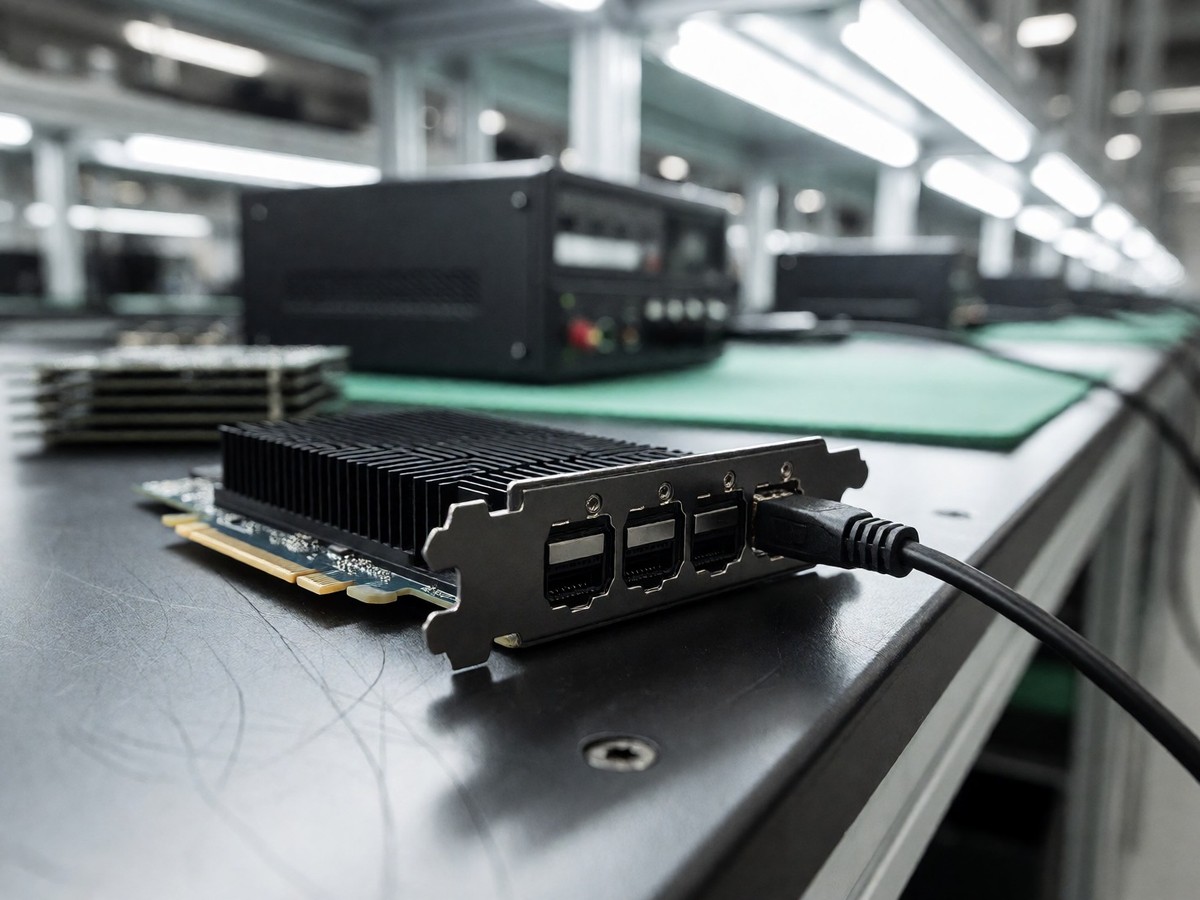
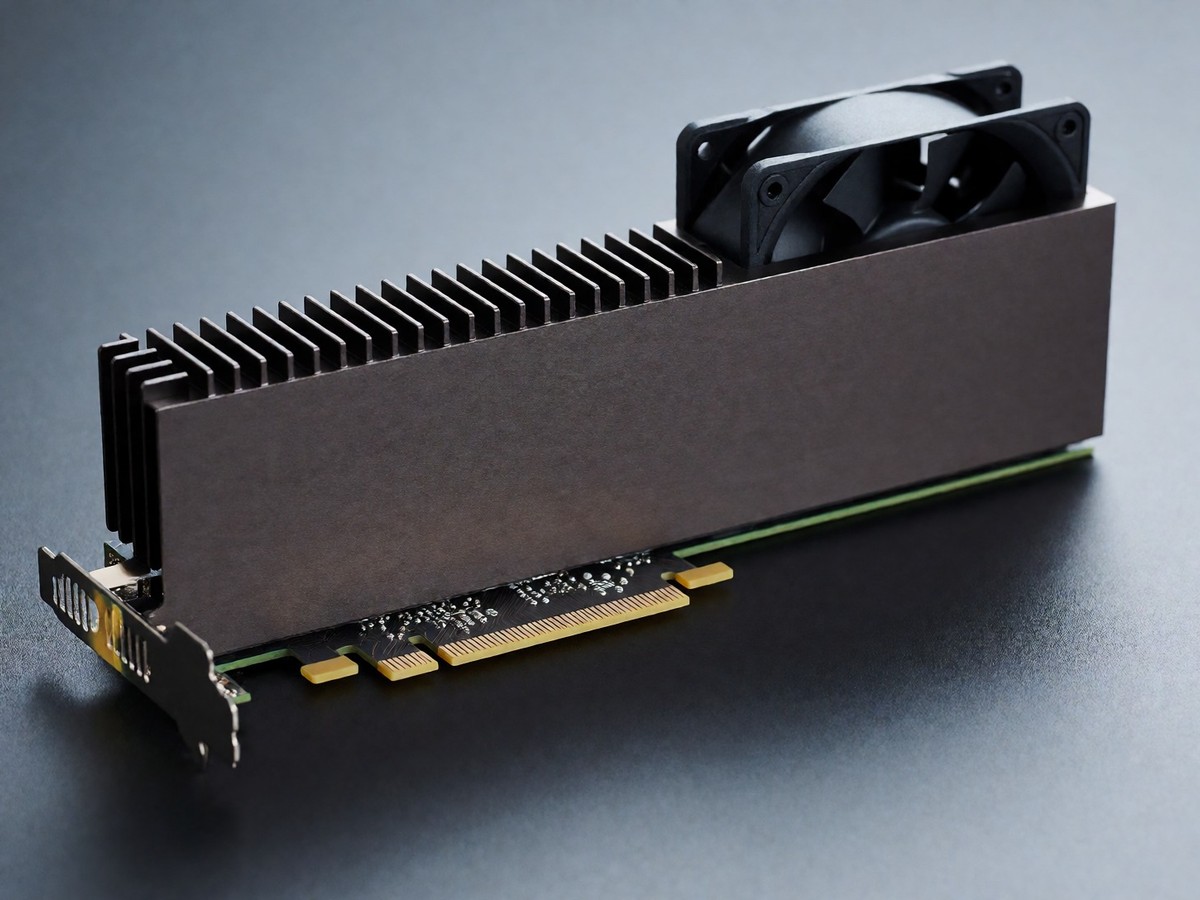
Tenstorrent closed a $1.5 billion Series E funding round on October 19, 2026, at a $6.2 billion post-money valuation. Innovation X and Trace Capital co-led the investment. I view this capital as a way to push the Galaxy AI server platform into high-volume production. The company develops RISC-V processors and provides open-source software to allow customers to own their AI infrastructure. Jim Keller, who designed chips for Apple, AMD, and Tesla, leads the company. Tenstorrent produces the Blackhole processor on PCIe Gen 5 boards like the p100a, which operates at 300W. This investment from backers including ARK Invest, Fidelity Management & Research Company, and Sandisk supports the company’s plan to serve more customers globally. The International Energy Agency reported in April 2026 that the computing capacity of AI factories tripled in 18 months, a trend that increases the demand for Tenstorrent’s scalable, ultra-dense AI server systems.
| Product Type | Model | Spec |
|---|---|---|
| PCIe Gen 5 Board | Blackhole p100a | 300W |
| PCIe Gen 4 Board | Wormhole n300d | 300W |
| AI Superchip | GH200 | 282GB HBM3e |
| AI Accelerator | Blackwell B200 | High performance |
NVIDIA maintains hardware dominance
NVIDIA maintains a massive share of the AI accelerator market, with some estimates placing their share at 95%. The company reported $26.04 billion in revenue for the recent quarter, which exceeded the $24.65 billion estimate. I find the GH200 Grace Hopper Superchip impressive because it uses HBM3e memory. The GH200 Grace Hopper Superchip uses HBM3e memory to provide 3.5x more memory capacity and 3x more memory bandwidth than previous generations, which helps handle the massive data requirements of generative AI. This configuration contains 144 ARM Neoverse CPU cores and 282GB of HBM3e memory. NVIDIA also continues to develop the Blackwell platform to support trillion-parameter scale generative AI. The company follows a one-year rhythm for new chip releases, moving from Blackwell to the upcoming Rubin architecture.
NVIDIA relies on the CUDA API to maintain its lead among software developers. This software ecosystem creates a significant barrier for competitors like AMD and Intel. I would skip the premium price of H100 cards, which reach $30,000, if I could find a reliable alternative. However, the high costs and limited availability of these chips make switching difficult for many firms. NVIDIA also signed a $20 billion licensing deal with Groq to integrate Language Processing Units into its stack. At GTC 2026, Jensen Huang also introduced NemoClaw, an operating system designed to manage autonomous AI agents.
The battle for custom silicon
The competition between Tenstorrent and NVIDIA centers on the control of the hardware and software stack. Tenstorrent provides an open-source software stack that allows developers to modify code, a strategy that differs from NVIDIA, which uses CUDA to create ecosystem lock-in. If you are managing a data center, you must decide between proprietary ease and open-source flexibility. AMD attempts to compete with its Instinct MI355X, which is four times faster than the MI300X in key workloads.
Hyperscalers also build their own chips to reduce dependency on NVIDIA. Google released its Ironwood TPU v7 in late 2025 to handle training and inference workloads. Amazon Web Services uses the Trainium3 chip, which delivers four times the performance of prior generations and improves energy efficiency by 40%. Microsoft also deploys Maia 100 and Maia 200 accelerators in its Azure data centers. Broadcom builds custom ASICs for companies like Google and Meta to reduce reliance on off-the-shelf GPUs. Cerebras builds the WSE-3, a wafer-scale engine with 900,000 AI cores. Intel fights for relevance with its Gaudi accelerators. The global semiconductor market heads toward $1.3 trillion this year, with generative AI chips alone projected to reach $500 billion in revenue. Will Tenstorrent’s RISC-V strategy eventually break the CUDA monopoly?