LPU architecture and speed advantages
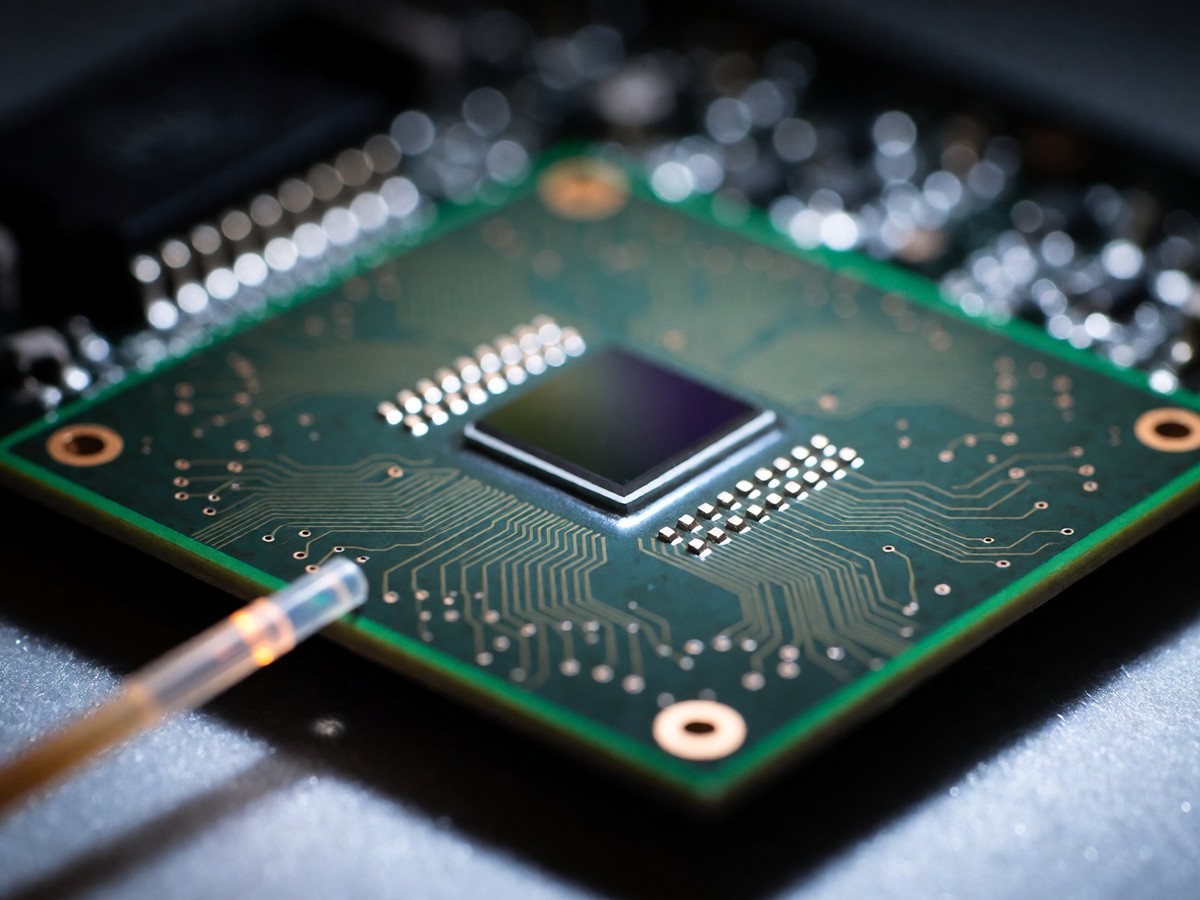
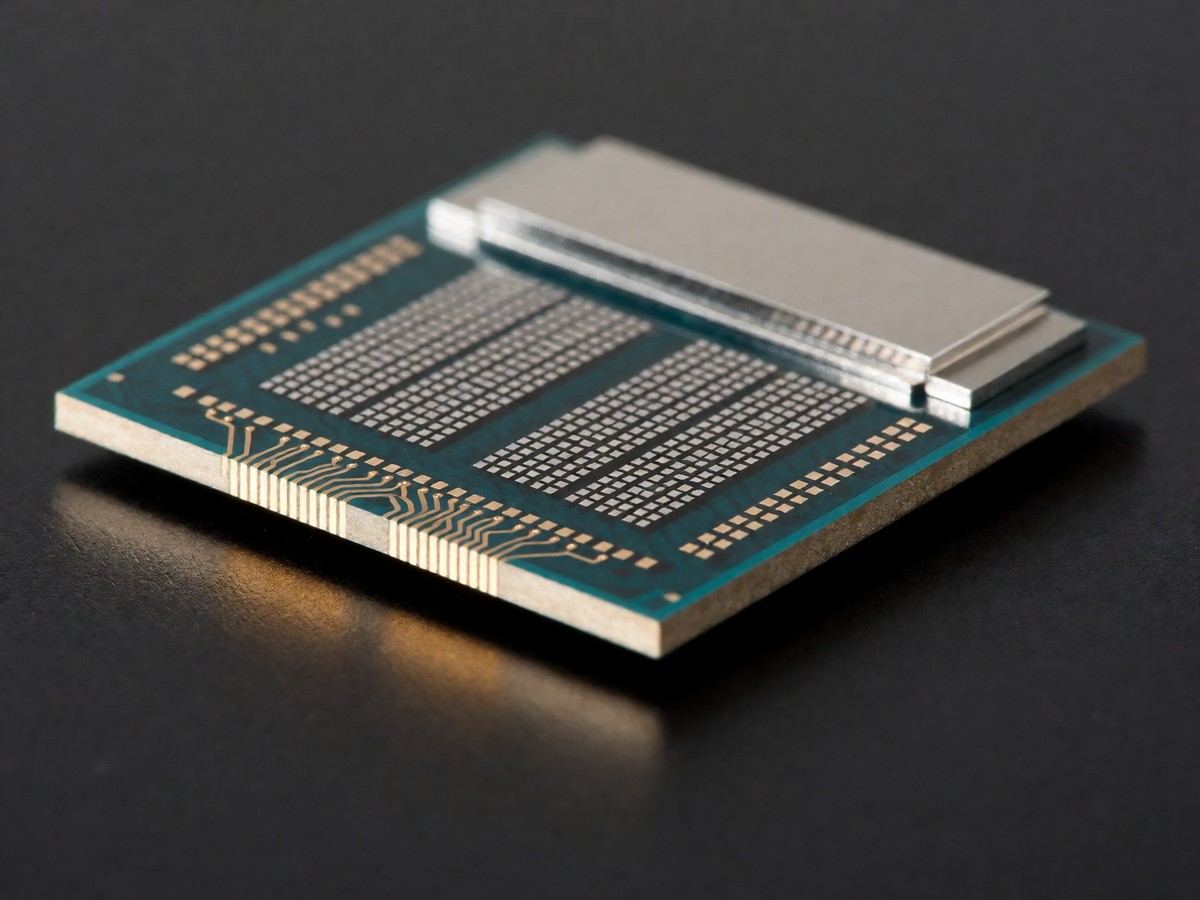
Groq’s Language Processing Unit (LPU) architecture achieves 80 TB/s bandwidth by storing model weights in on-chip SRAM. This hardware bypasses the 3.35 TB/s bandwidth of NVIDIA H100 and the 4.8 TB/s bandwidth of NVIDIA H200. The LPU utilizes dedicated Sequential Processing Engines (SPEs) designed for matrix multiply-accumulate operations. This hardware architecture differs from the thousands of general-purpose CUDA cores found in GPUs. The GroqFlow compiler pre-compiles the entire model graph at deployment time to ensure deterministic execution. This process removes jitter and scheduling overhead. Because the hardware knows the exact location of every bit, it eliminates runtime memory management and garbage collection pauses.
For Llama 3.1 8B, the LPU generates 750 tokens per second, whereas the H100 manages 130 tokens per second. For Mixtral 8x7B, Groq delivers 480 tokens per second compared to 95 tokens per second on an H100. Gemma 2 9B reaches 500 tokens per second on Groq, while the H100 reaches 110 tokens per second. This performance lead scales with input length. For 100-token inputs, Groq achieves 52ms TTFT compared to 190ms on H100. For 32K-token inputs, Groq reaches 680ms while H100 latency climbs to 3,400ms. In real production A/B tests, switching customer support chatbots from H100 inference to Groq increased user satisfaction scores by 34% because of the faster response onset.
Token pricing and inference economics
Groq’s pricing strategy directly impacts NVIDIA’s inference margins. For Llama 3.1 8B, Groq charges $0.05 per million input tokens, which is 3.6x cheaper than the $0.18 per million cost for H100-hosted inference. Since the LPU is 5.8x faster than the H100, Groq provides 21x more value per dollar spent on inference. The LPU delivers 750 tokens per second for Llama 3.1 8B, while the NVIDIA H100 provides only 130 tokens per second, and this speed gap translates into much lower costs at scale.
For developers managing massive scale, 100B tokens per month on Groq costs $5,000, while H100 cloud hosting costs $18,000, creating an annual saving of $156,000. For 10B tokens per month, Groq costs $500 and H100 costs $1,800, saving $15,600 per year. For 1B tokens per month, Groq costs $50 and H100 costs $180, creating $1,560 in annual savings. Groq’s GPT-OSS 20B model costs $0.075 per million input tokens and $0.30 per million output tokens. Groq’s GPT-OSS 120B model costs $0.15 per million input tokens and $0.60 per million output tokens. Cloudflare also released specialized extraction models at $0.10 per million input tokens. For voice AI applications, Groq’s 80ms TTFT combined with speech-to-text and text-to-speech results in a total pipeline latency of 330ms, which stays below the 500ms threshold where conversation feels natural. For IDE code completion, Groq’s 68ms latency clears the 100ms psychological threshold for instant response, while GPT-4o’s 420ms latency does not. You should verify your specific token mix before committing to these rates.
NVIDIA integration and the semiconductor bottleneck
NVIDIA integrated Groq’s LPU architecture into its upcoming Vera Rubin chips through a $20 billion deal. This move follows rumors from late 2025 that AMD and Intel also bid for Groq’s engineering talent. Groq’s valuation reached $6.9 billion after a $750 million funding round led by Disruptive. This capital allows the company to deploy 100,000 additional LPUs into GroqCloud to meet demand. However, Groq revised its 2025 revenue forecast downward from $2 billion to $500 million.
The semiconductor industry faces a massive bottleneck with ASML EUV lithography machines. One gigawatt of AI compute requires roughly 3.5 EUV tools, yet only 700 such tools will exist globally by 2030. ASML holds 38,000 patents across 32 jurisdictions to protect its technology. The total addressable market for AI chips is projected to reach $119.4 billion by 2027. The semiconductor industry is on track to hit $1 trillion in 2026, with January sales reaching $82.5 billion. Groq’s remaining GroqCloud entity also secured a $1.5 billion contract to build LPU-based data centers in Saudi Arabia. Will NVIDIA’s hybrid approach of combining GPU cores with LPU strips successfully overcome the memory capacity issues of standalone LPUs?