
model training
-
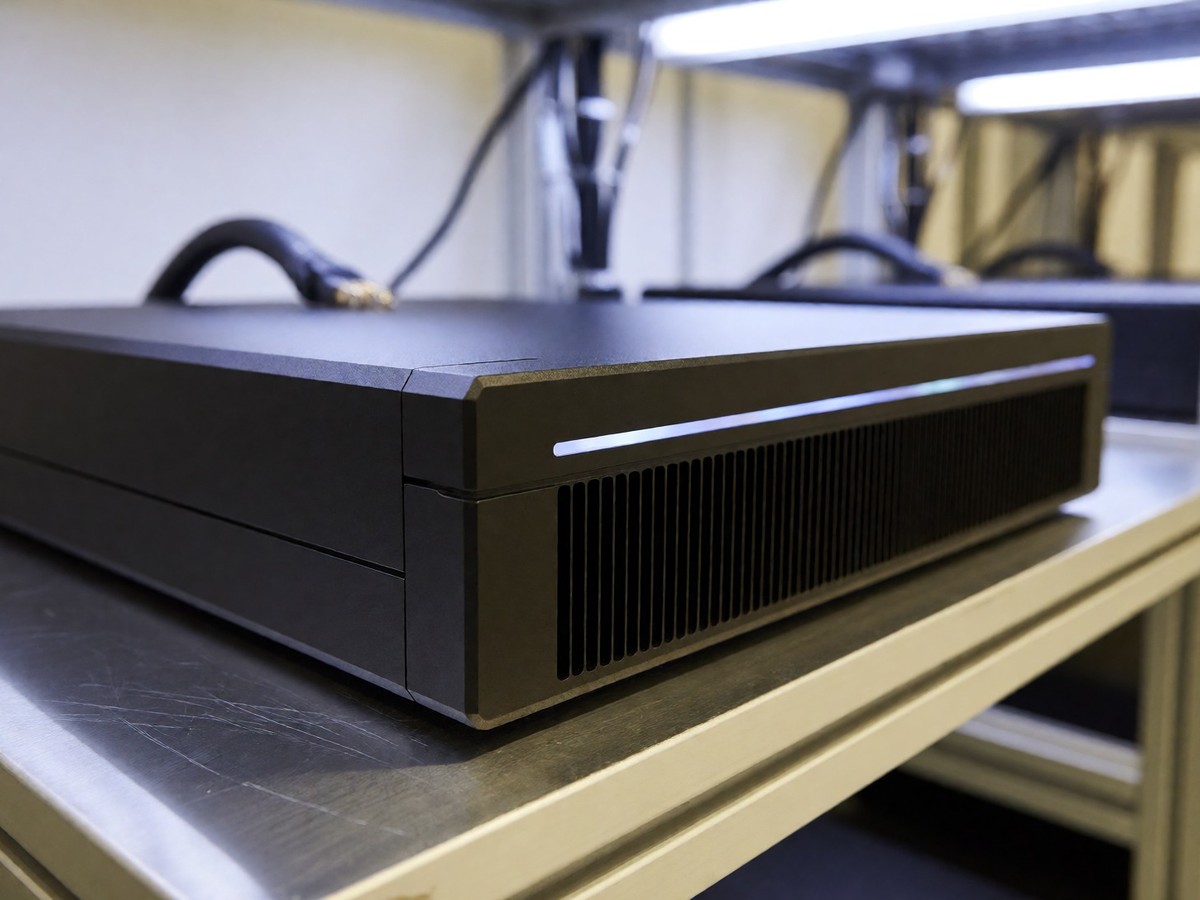
The shift toward wafer-scale AI scaling
The Condor Galaxy network reaches 16 exaFLOPs of capacity through the deployment of Condor Galaxy 3, utilizing 64 Cerebras CS-3 systems. These…
-
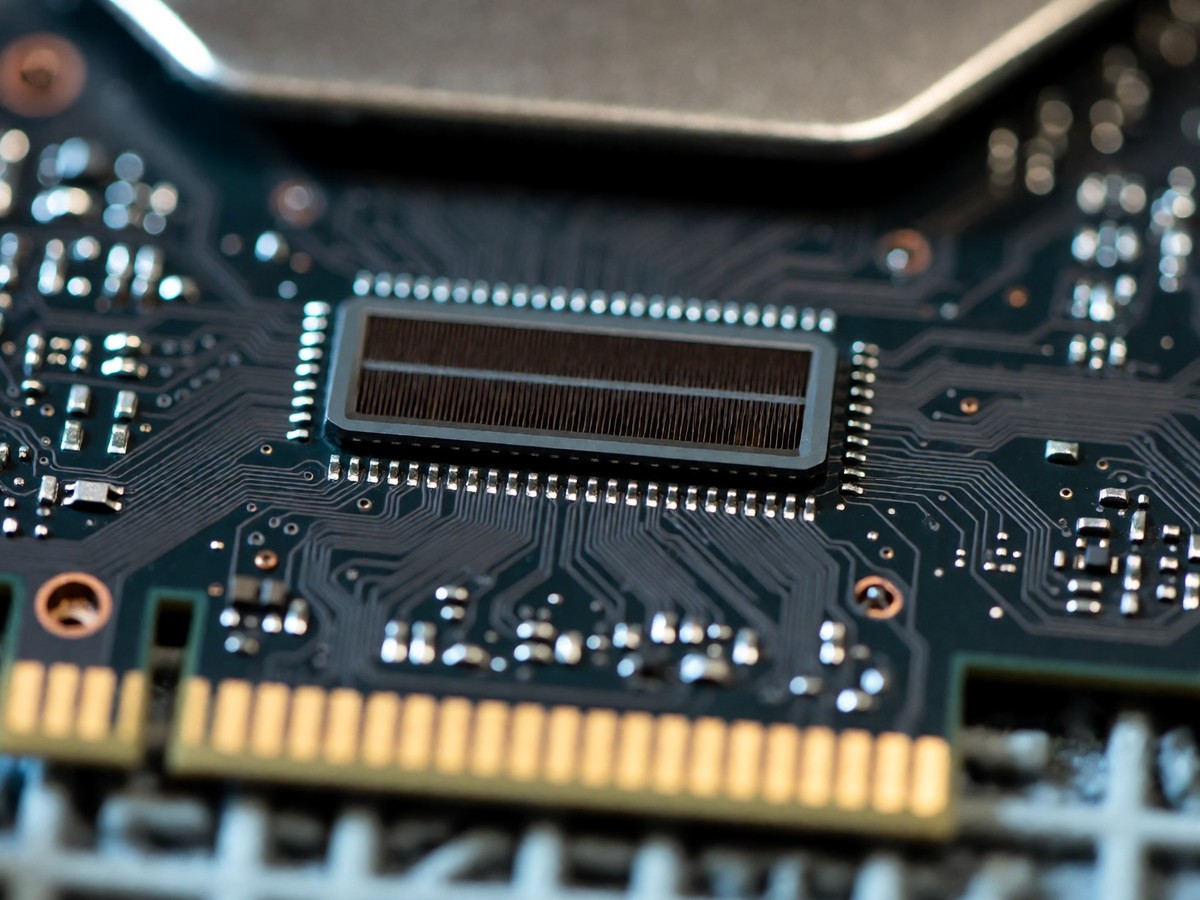
Common mistakes in Databricks DBRX 132B MoE fine-tuning
Engineering teams lose their DBRX 132B MoE advantage when neglecting Spark-based data preparation or ignoring the 32,000 token context limit. Proper management…
-
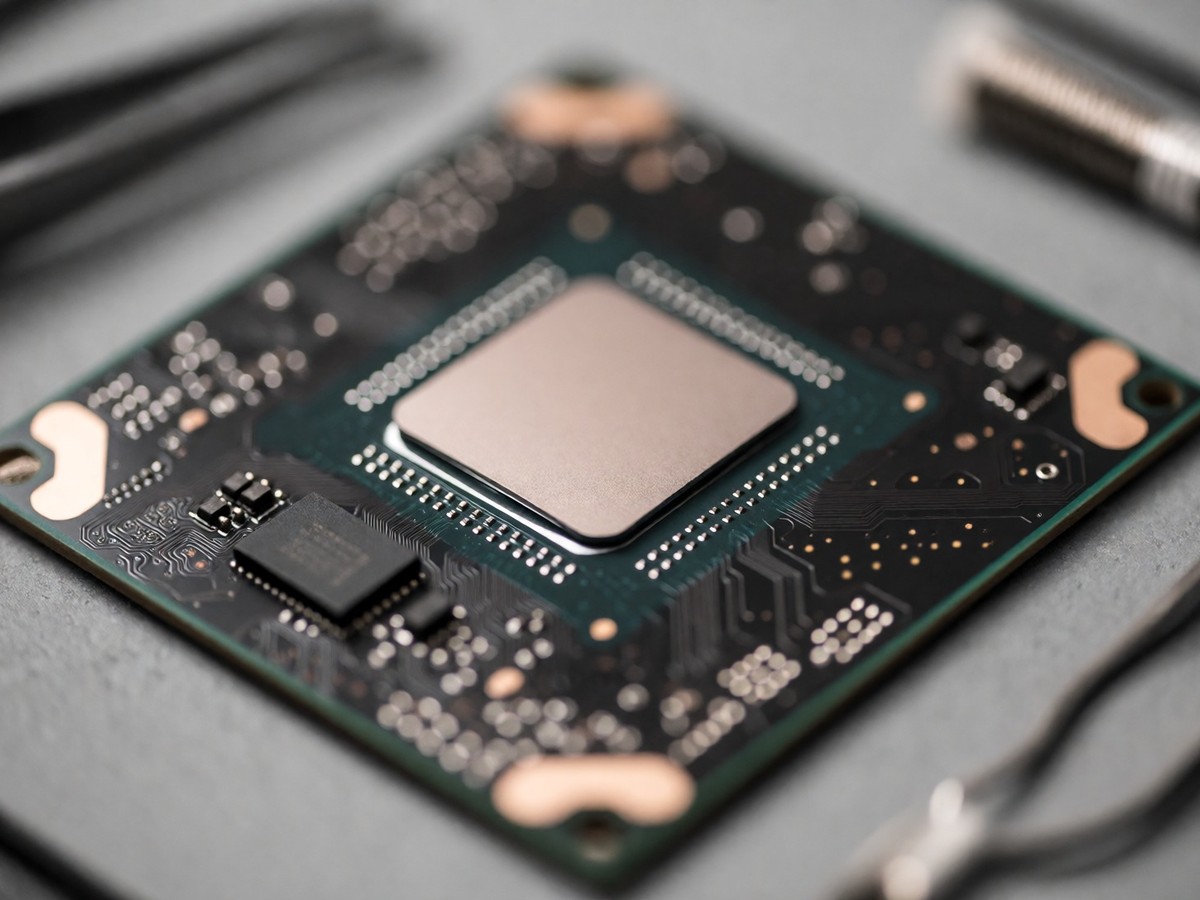
Developers lose MLX performance on M4 Ultra Mac Studio
Unmanaged KV cache and wired memory limits cause kernel panics on M4 Max machines when running models like Gemma 4 26B. Developers…
-

DeepSeek’s efficiency advantage in Chinese enterprise cloud deployments
DeepSeek-V3 utilizes a Mixture-of-Experts architecture with 671 billion parameters to achieve high performance at a low cost. This design allows for a…
-

The SRAM cost trap in wafer-scale training
Prioritizing on-chip SRAM for massive parameter counts can cause the Cerebras CS-3 TCO advantage to vanish. Storing a Qwen3-235B model with 131K…
-

xAI’s Colossus vs Lambda Labs’ GPU cloud for YC startups
xAI’s Colossus supercomputer utilizes 230,000 GPUs for massive scale, but Lambda Labs and specialized marketplaces offer better flexibility and cost savings for…
-

How o1 Changes the LLM Training Picture, Part 1: Why Imitation Hits a Ceiling
Pre-train, fine-tune, align. The standard recipe produced remarkable models and could not produce reasoning. Why that limit is structural rather than a…