
Latest stories
-

The evolution of DeepMind
Demis Hassabis and his co-founders established DeepMind in 2010 to develop general-purpose AI. The company’s 2016 AlphaGo victory over Lee Sedol demonstrated…
-
Sakana AI’s evolutionary approach to Japanese AI sovereignty
Sakana AI utilizes evolutionary model merging to build efficient AI ecosystems, achieving a $2.65 billion valuation. This strategy leverages existing open models…
-
Cognition’s Devin AI and the shift to autonomous coding
Cognition AI reached a $48 billion valuation following a $2 billion Series E funding round to support Devin, an autonomous AI software…
-
The shift from Sora to Runway’s enterprise video production
Runway aims to capture the professional video market following OpenAI’s decision to shut down Sora’s web app and API. The company’s business…
-
The economics of Groq’s LPU and the NVIDIA inference price war
Groq’s LPU architecture delivers 750 tokens per second for Llama 3.1 8B, providing 21x more value per dollar than NVIDIA H100 hosting.…
-
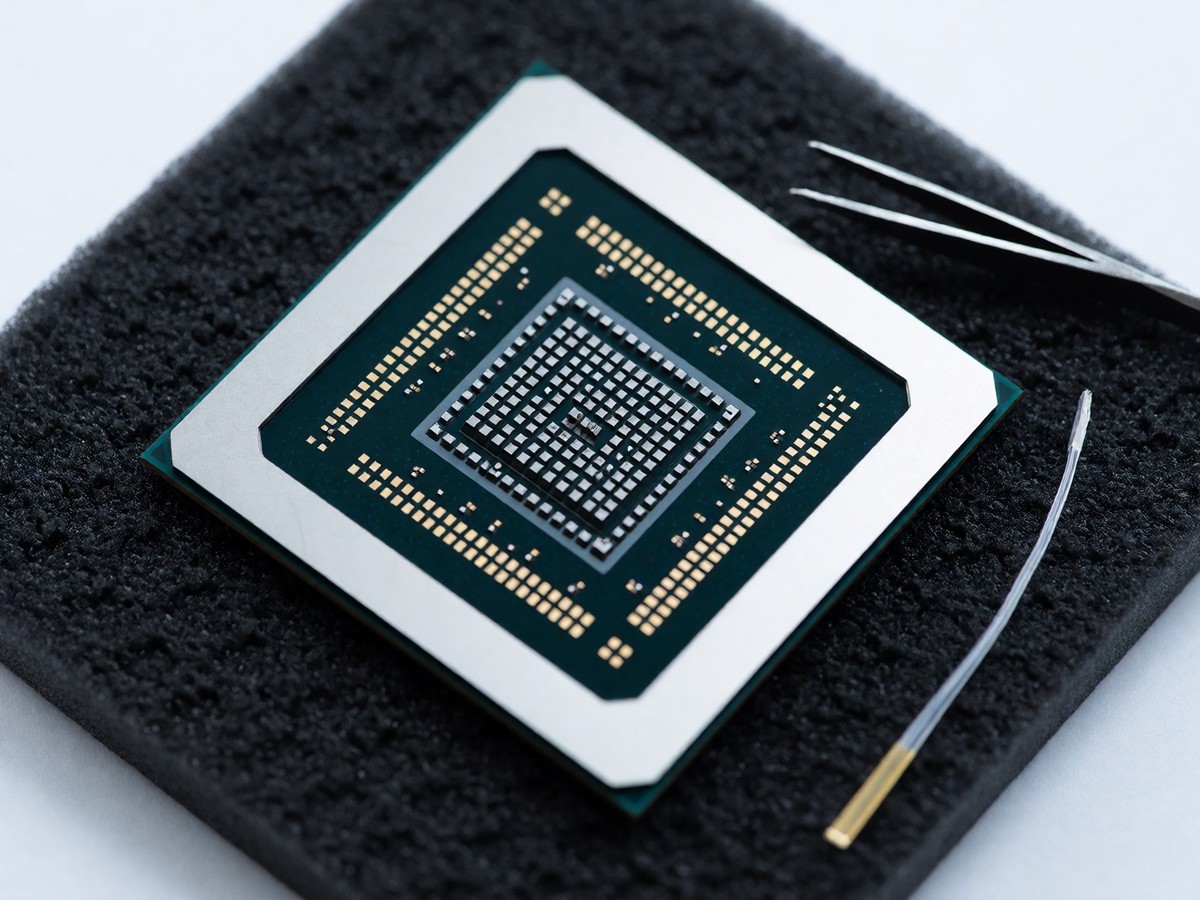
The history of Graphcore and its IPU architecture
Nigel Toon and Simon Knowles founded Graphcore in 2016 to challenge NVIDIA with Intelligence Processing Units. Despite the Colossus MK2 GC200 chip…
-
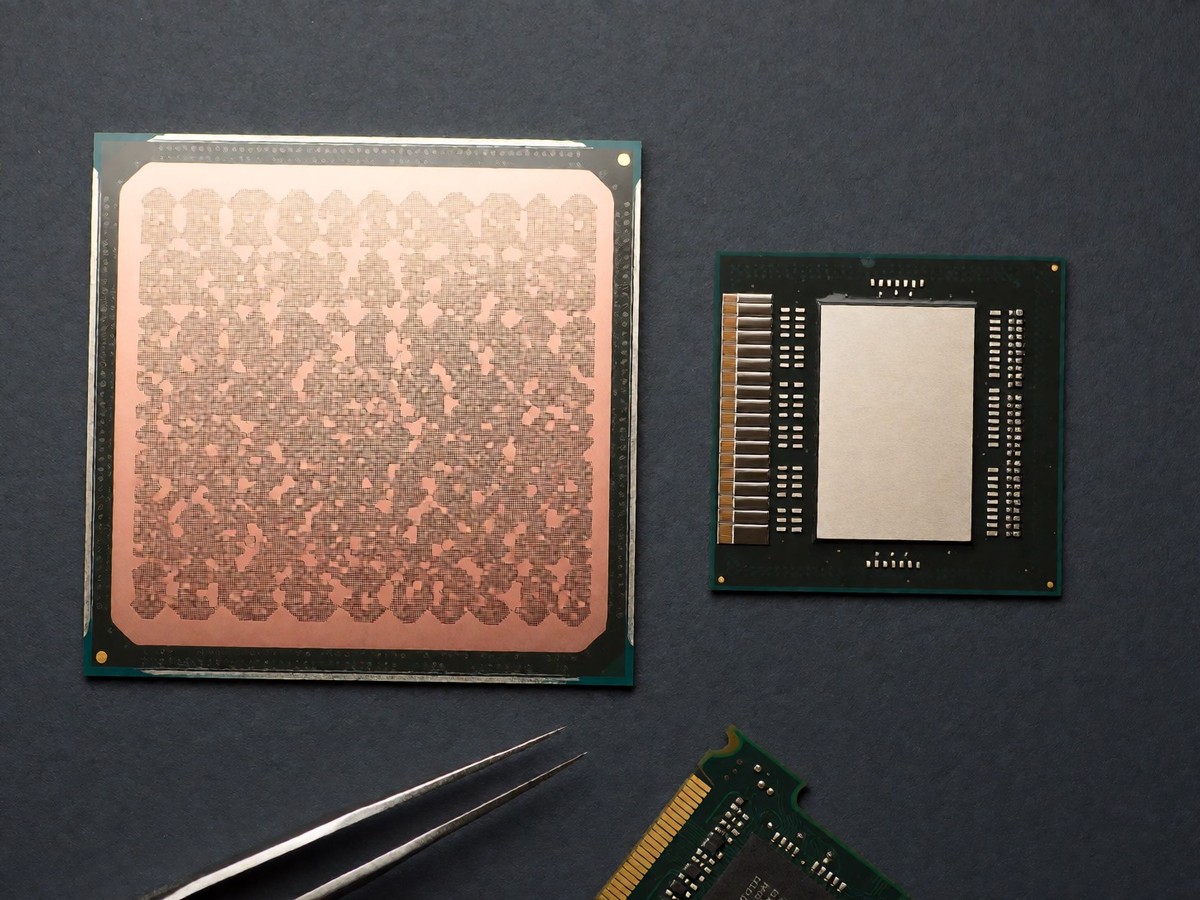
Cerebras CS-3 vs SambaNova DataScale SN40L comparison
Cerebras generates 4,400 tokens per second on the GPT-OSS 120B model using a single CS-4 rack, significantly outperforming SambaNova’s 708 tokens per…
-

How to get started with Replit’s AI coding platform and Agent 4
Replit Agent 4 enables React Native teams to build and deploy mobile applications using natural language prompts and Expo integration. The platform…
-

Poolside’s $3B AI coding agent and PipelineRL technical framework
Poolside leverages its PipelineRL framework to achieve learning speeds twice as fast as conventional baselines by overlapping sequence generation and model training.…
-
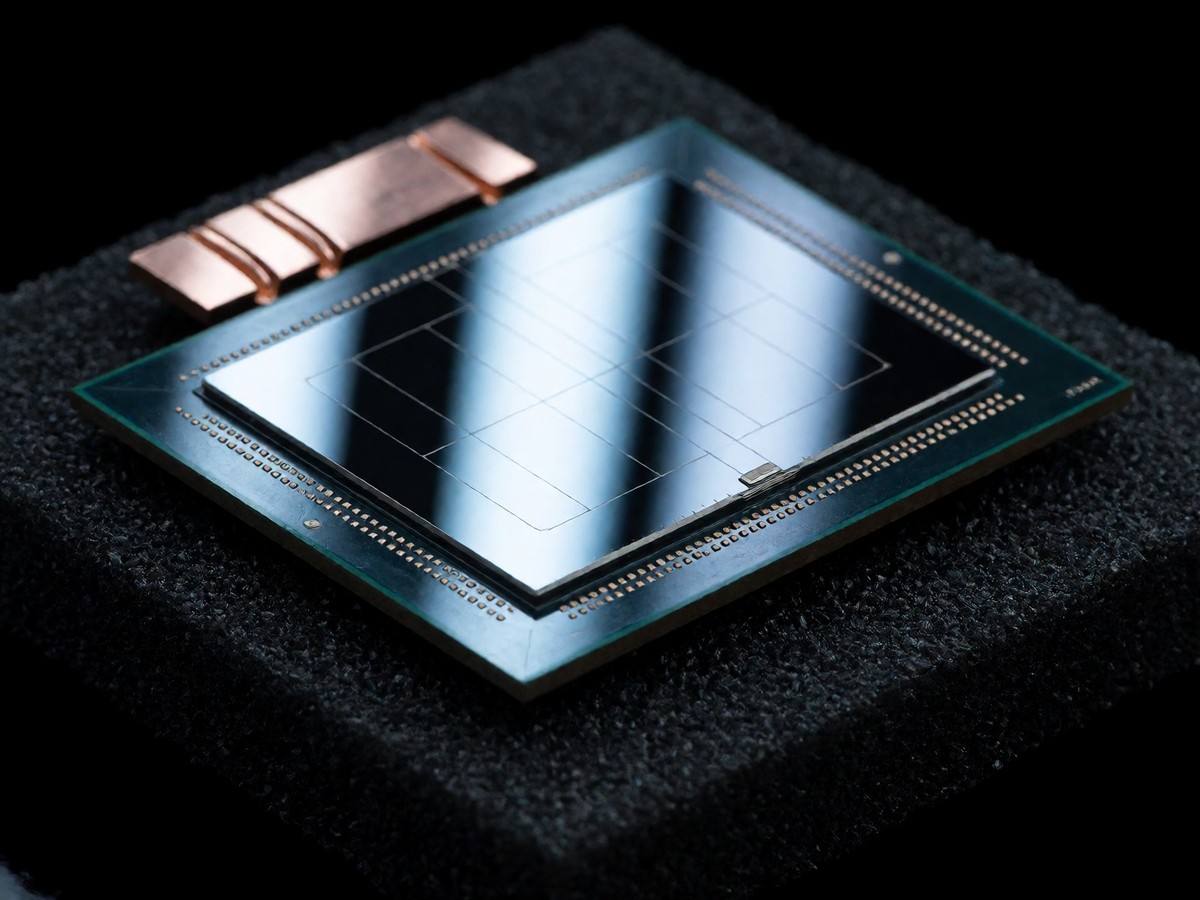
NVIDIA Blackwell manufacturing failures and CoWoS-L supply gaps
Thermal expansion mismatches and TSMC CoWoS-L capacity shortages are causing three-month delays for NVIDIA Blackwell shipments. Massive orders from Google for 400,000…
-
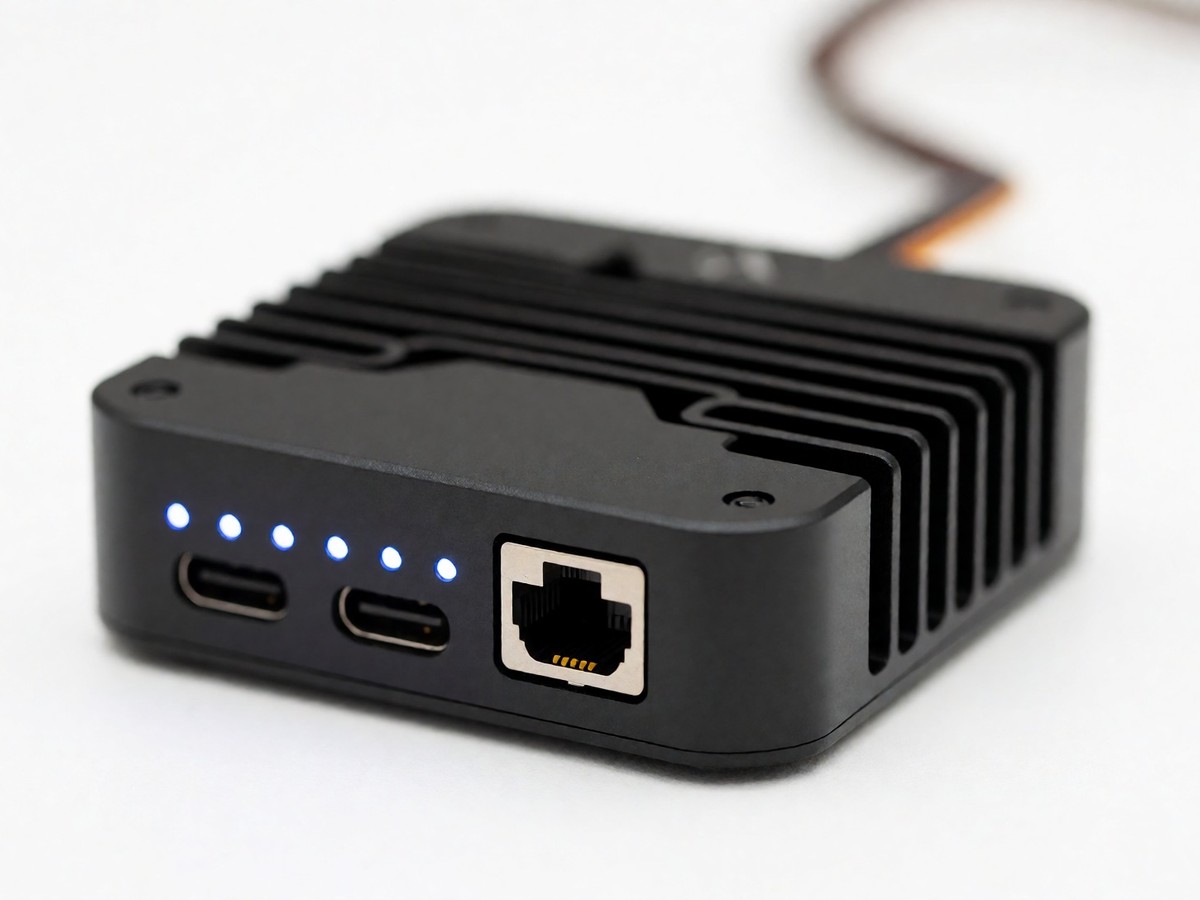
Perplexity shifts to modular API pricing after $9B valuation
Perplexity introduces a tiered API structure separating Search from generation, offering a Search API at $5 per 1,000 requests. This modular approach…
-
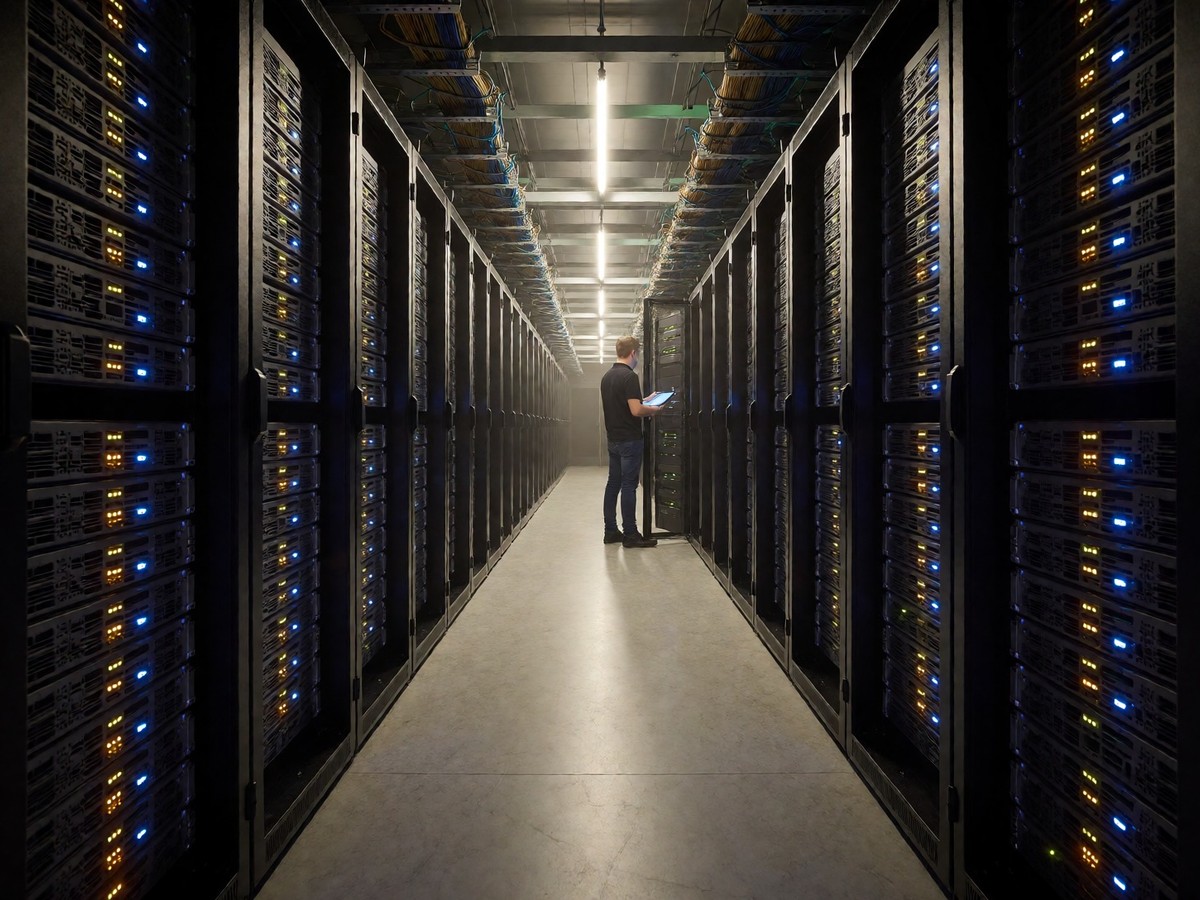
HBM fragmentation and bandwidth bottlenecks in TPU v5p clusters
HBM fragmentation in TPU v5p clusters can exceed 50%, causing allocation failures during Gemini 2.5 Pro fine-tuning. Performance also depends on managing…