
NVIDIA
-
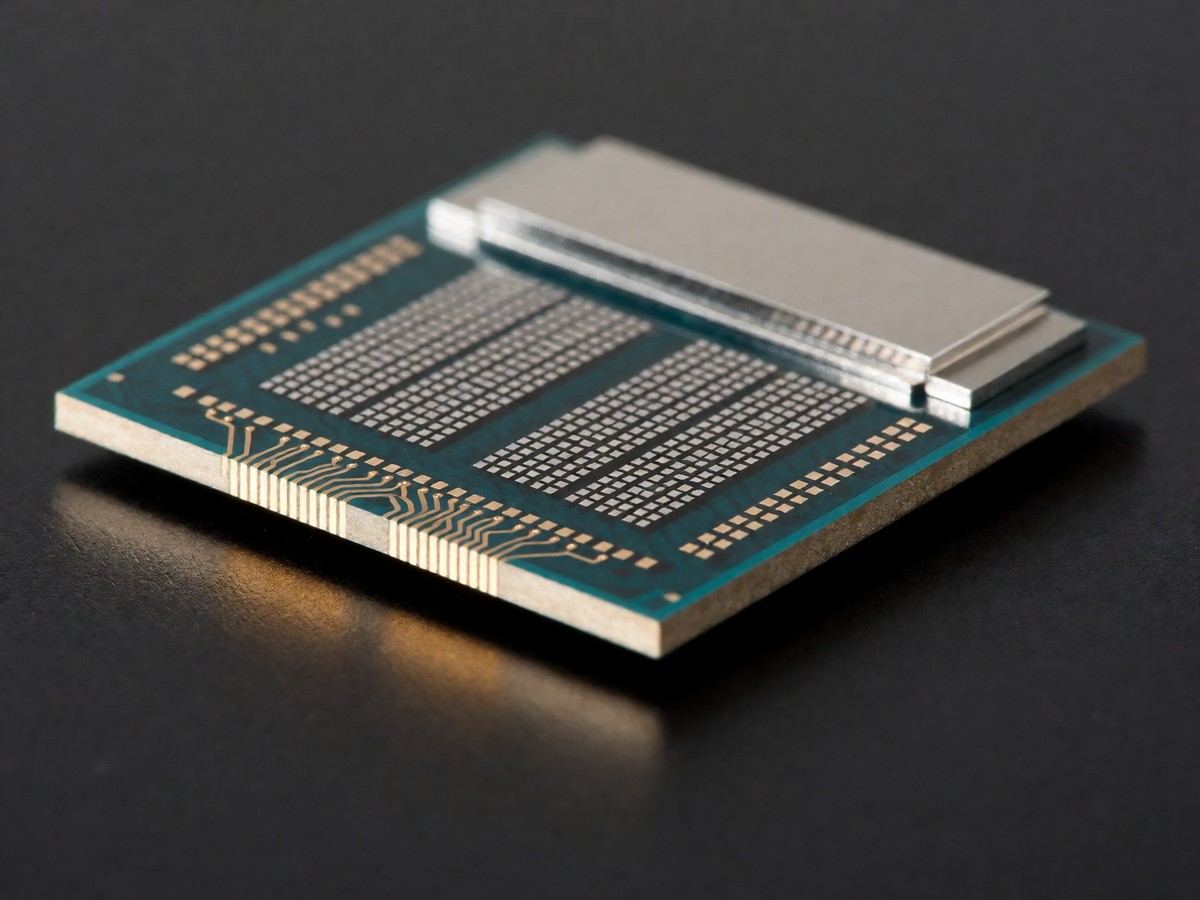
The economics of Groq’s LPU and the NVIDIA inference price war
Groq’s LPU architecture delivers 750 tokens per second for Llama 3.1 8B, providing 21x more value per dollar than NVIDIA H100 hosting.…
-
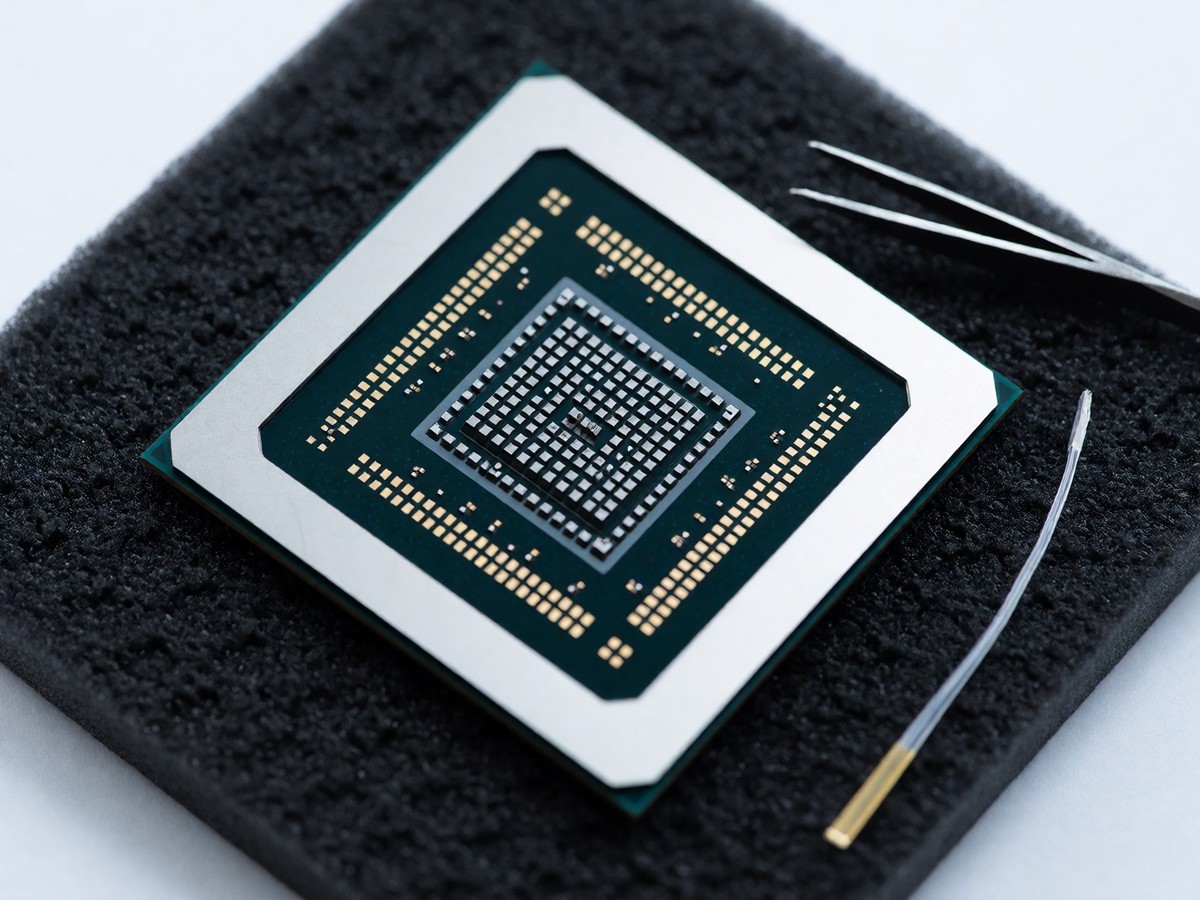
The history of Graphcore and its IPU architecture
Nigel Toon and Simon Knowles founded Graphcore in 2016 to challenge NVIDIA with Intelligence Processing Units. Despite the Colossus MK2 GC200 chip…
-
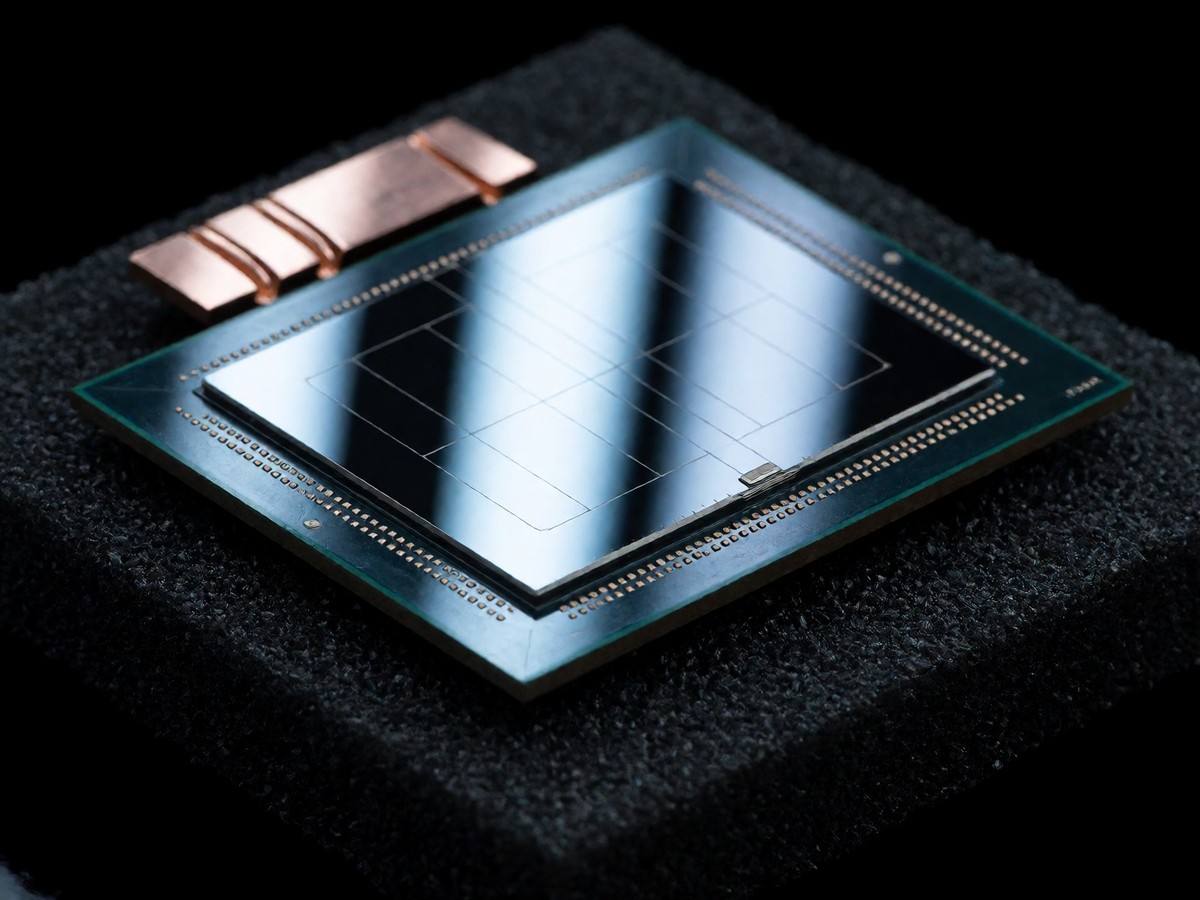
NVIDIA Blackwell manufacturing failures and CoWoS-L supply gaps
Thermal expansion mismatches and TSMC CoWoS-L capacity shortages are causing three-month delays for NVIDIA Blackwell shipments. Massive orders from Google for 400,000…
-
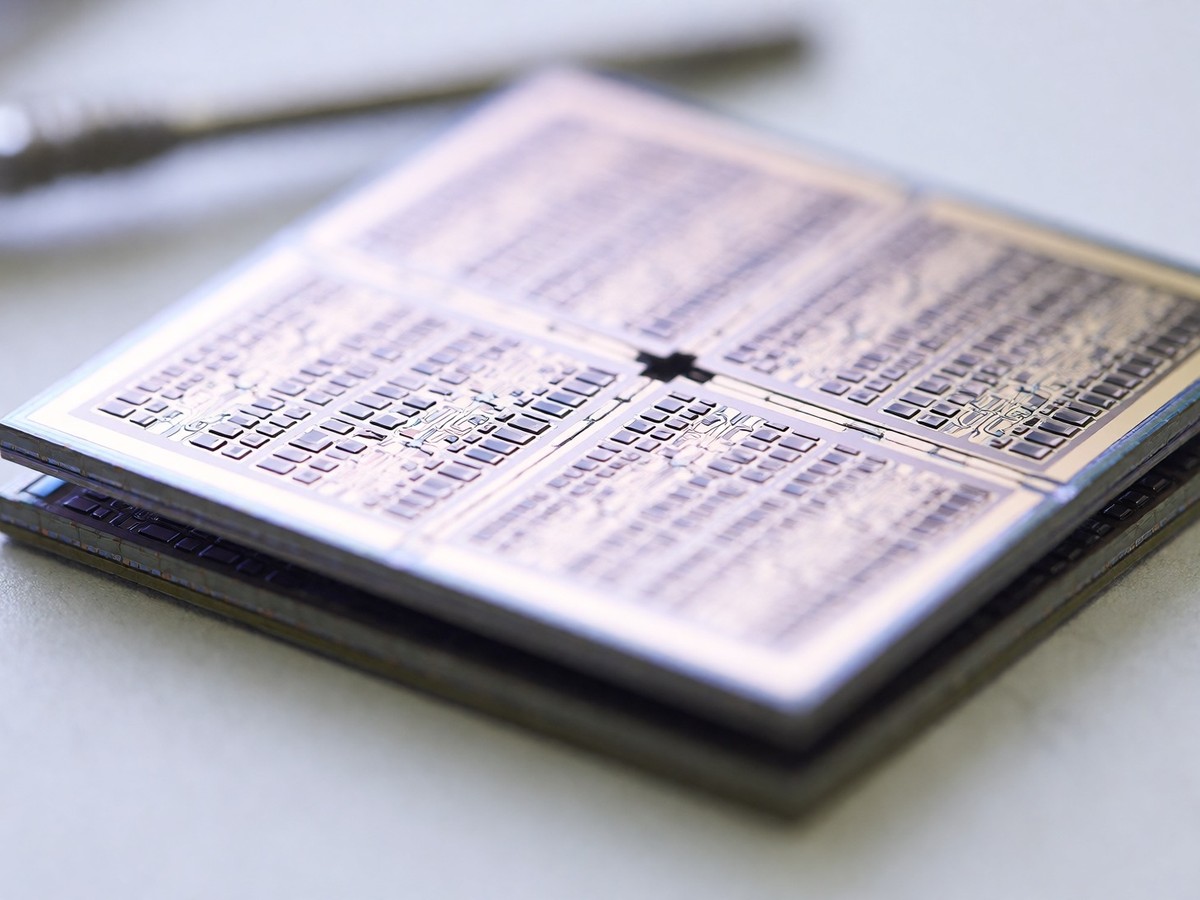
Graphcore Bow IPU: The 350W push against NVIDIA dominance
Graphcore’s Bow IPU utilizes wafer-on-wafer technology to deliver 350 trillion floating point per second of AI arithmetic. The BOW POD-16 offers a…
-

NVIDIA history from 1993 founding to the CUDA AI revolution
NVIDIA transitioned from a gaming chip manufacturer to an AI powerhouse following the 2006 launch of CUDA. This parallel computing platform enabled…
-
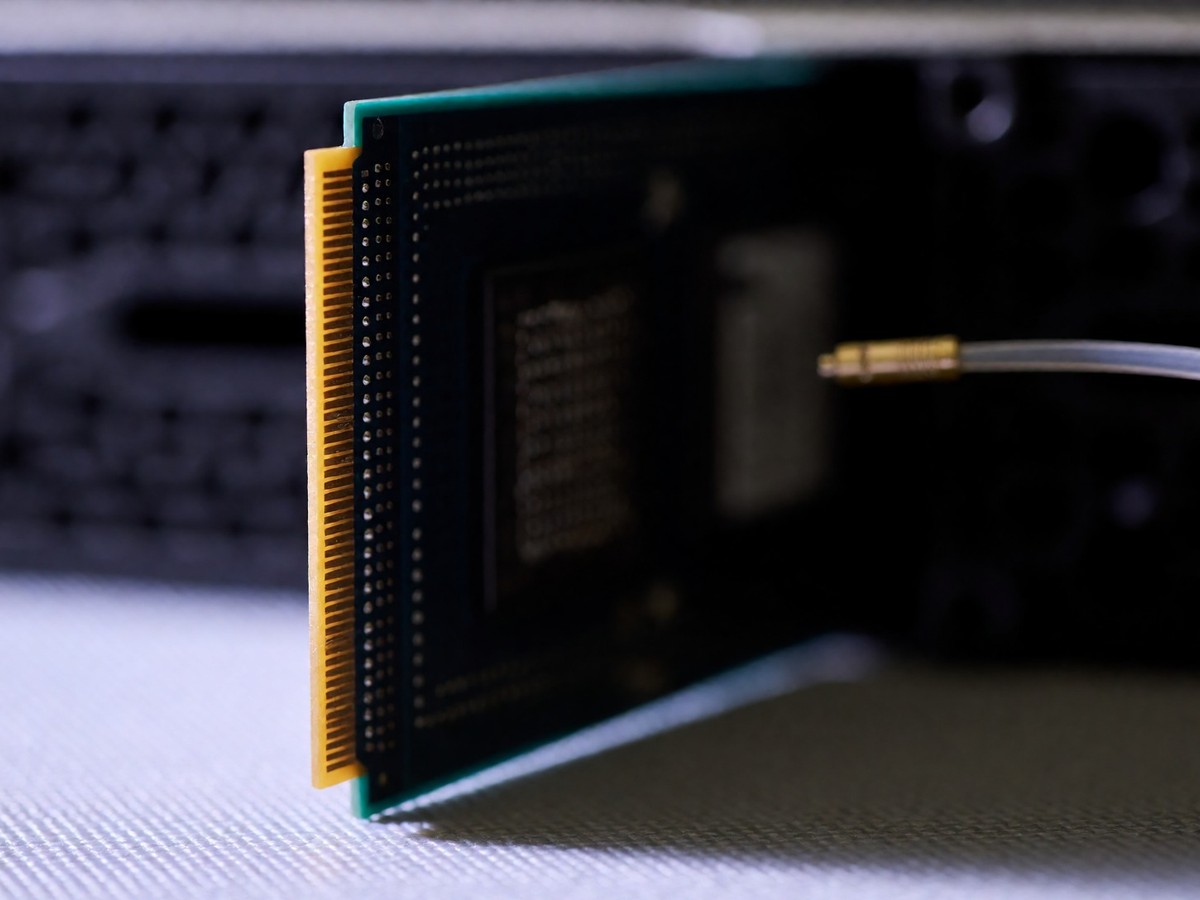
H200 memory bandwidth inefficiencies in distributed training
Improper NUMA settings and hardware selection can waste the 4.8 TB/s memory bandwidth of the NVIDIA H200. Communication errors with the Power…
-
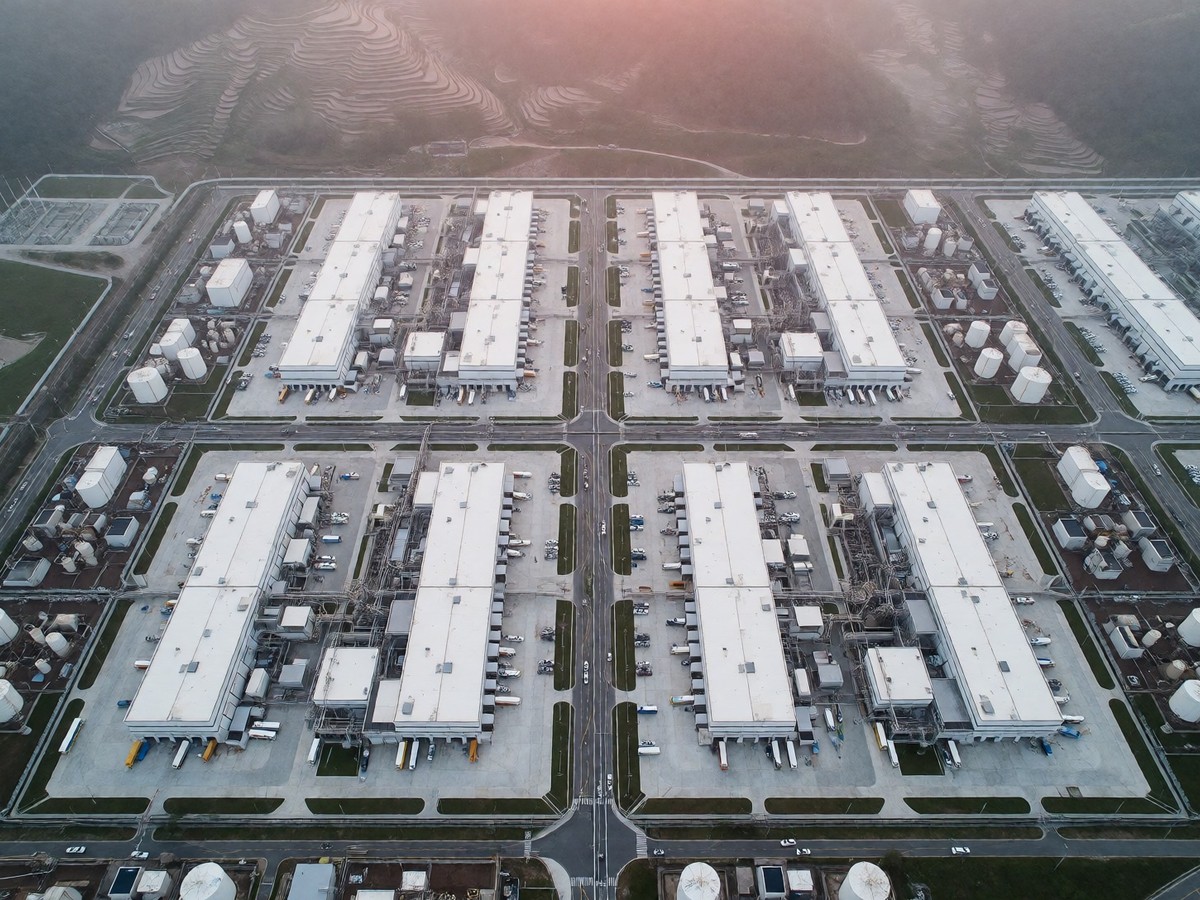
NVIDIA Blackwell Ultra supply chain shifts toward memory and substrate constraints
NVIDIA’s Blackwell supply chain faces new bottlenecks in organic substrates from Ajinomoto and Ibiden following TSMC yield recoveries. While TSMC reports stable…
-

Lightmatter scales AI interconnects with Passage M1000
Lightmatter’s Passage M1000 photonic interposer overcomes electrical I/O bottlenecks in AI clusters by delivering 114 Tbps of aggregated bandwidth. This 3D photonic…
-

AMD Instinct MI350X vs NVIDIA Blackwell B200
AMD’s Instinct MI350X offers 288GB of HBM3e memory, providing a significant capacity advantage over the 192GB found in NVIDIA’s Blackwell B200. While…
-
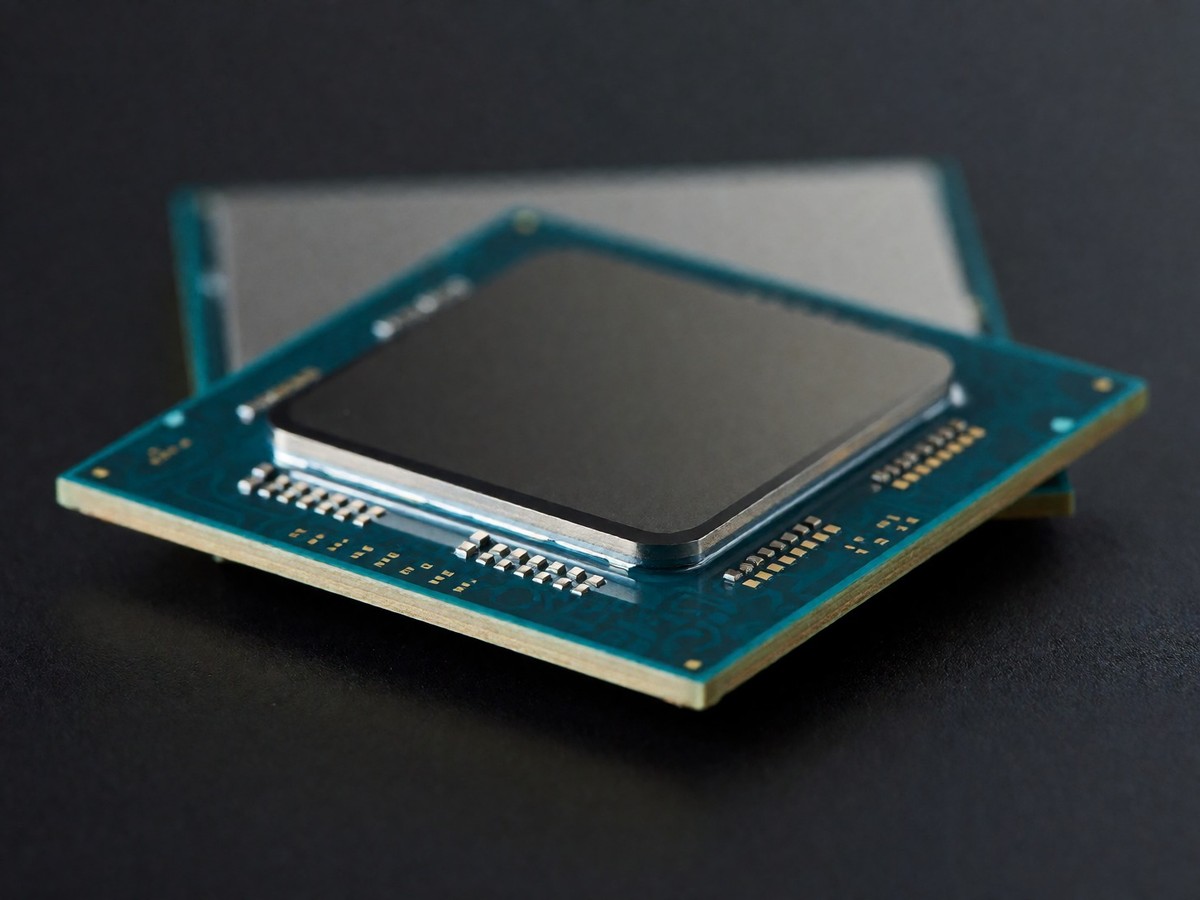
Fujitsu’s Monaka chip and the FugakuNEXT zetta-scale targets
Fujitsu is developing the 288-core Monaka CPU using 2nm technology to drive the FugakuNEXT supercomputer. This $740 million project targets zetta-scale AI…
-
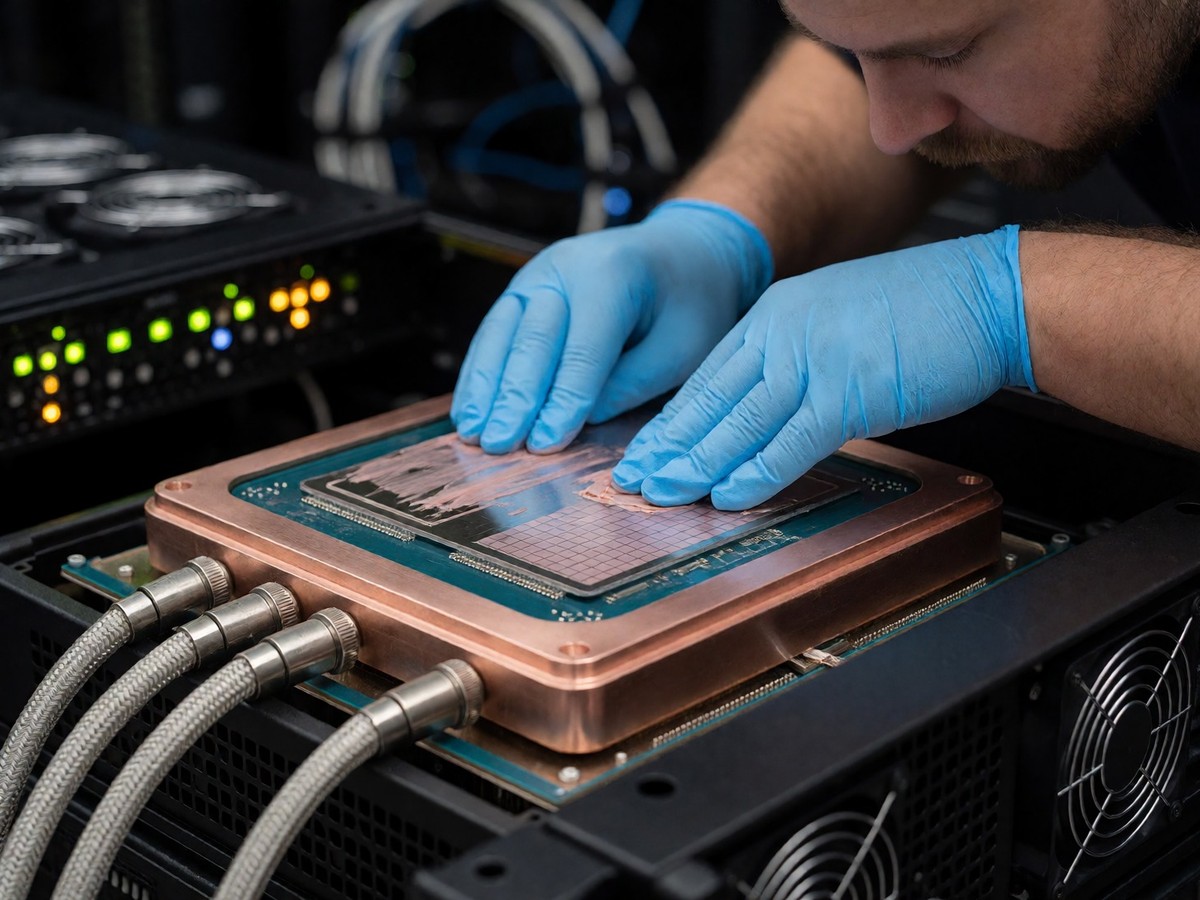
The SRAM cost trap in wafer-scale training
Prioritizing on-chip SRAM for massive parameter counts can cause the Cerebras CS-3 TCO advantage to vanish. Storing a Qwen3-235B model with 131K…
-

The history of NVIDIA’s DGX-1 and the evolution of AI clusters
NVIDIA’s 2016 DGX-1 system used Pascal architecture to deliver the performance of 250 x86 servers in a single 3U box. This breakthrough…