
Hardware & Compute
Chips, data centres and the infrastructure behind AI.
-

SambaNova SN40L vs Cerebras WSE-3: 2026 Sovereign Cloud Comparison
SambaNova’s SN40L is recommended for 2026 sovereign cloud bids due to its 10 kW power draw and ability to handle massive models…
-
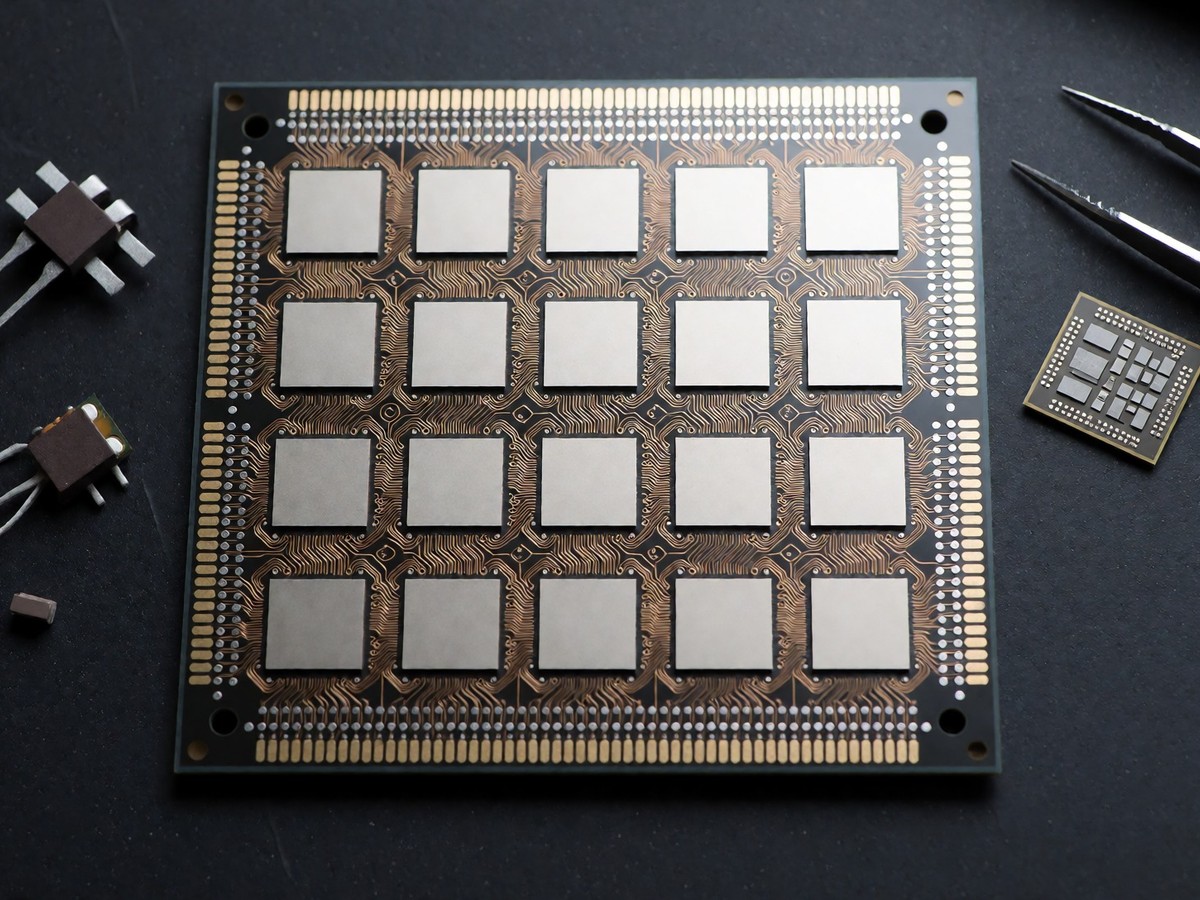
Tesla Dojo 2 and the Optimus training pipeline
Tesla’s restarted Dojo project utilizes D1 chips with 50 billion transistors to power the Optimus humanoid robot training pipeline. The system manages…
-
Liquid cooling specification failures in NVIDIA GB200 and GB300
Deploying NVIDIA GB200 NVL72 racks requires strict adherence to liquid cooling standards to prevent 60% performance throttling. This technical analysis covers critical…
-
Samsung’s Mach-1 AI accelerator strategy and $73 billion investment
Samsung is investing $73.24 billion into AI semiconductor development, highlighted by a $752 million Mach-1 accelerator deal with Naver. The Mach-1 ASIC…
-
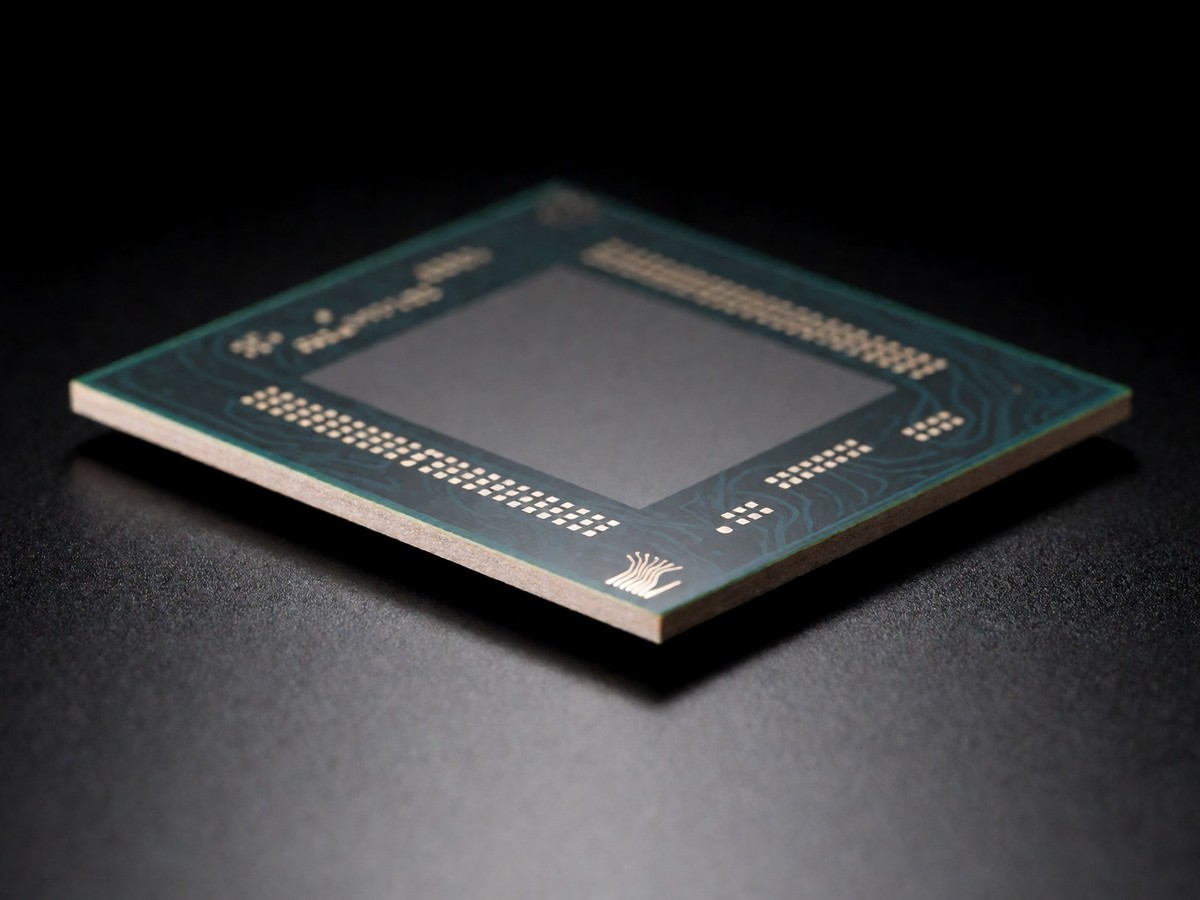
The shift in Microsoft’s Maia AI accelerator roadmap
Microsoft’s new Maia 200 AI accelerator offers 30% more performance per dollar than the Maia 100. Built on TSMC 3nm technology, the…
-
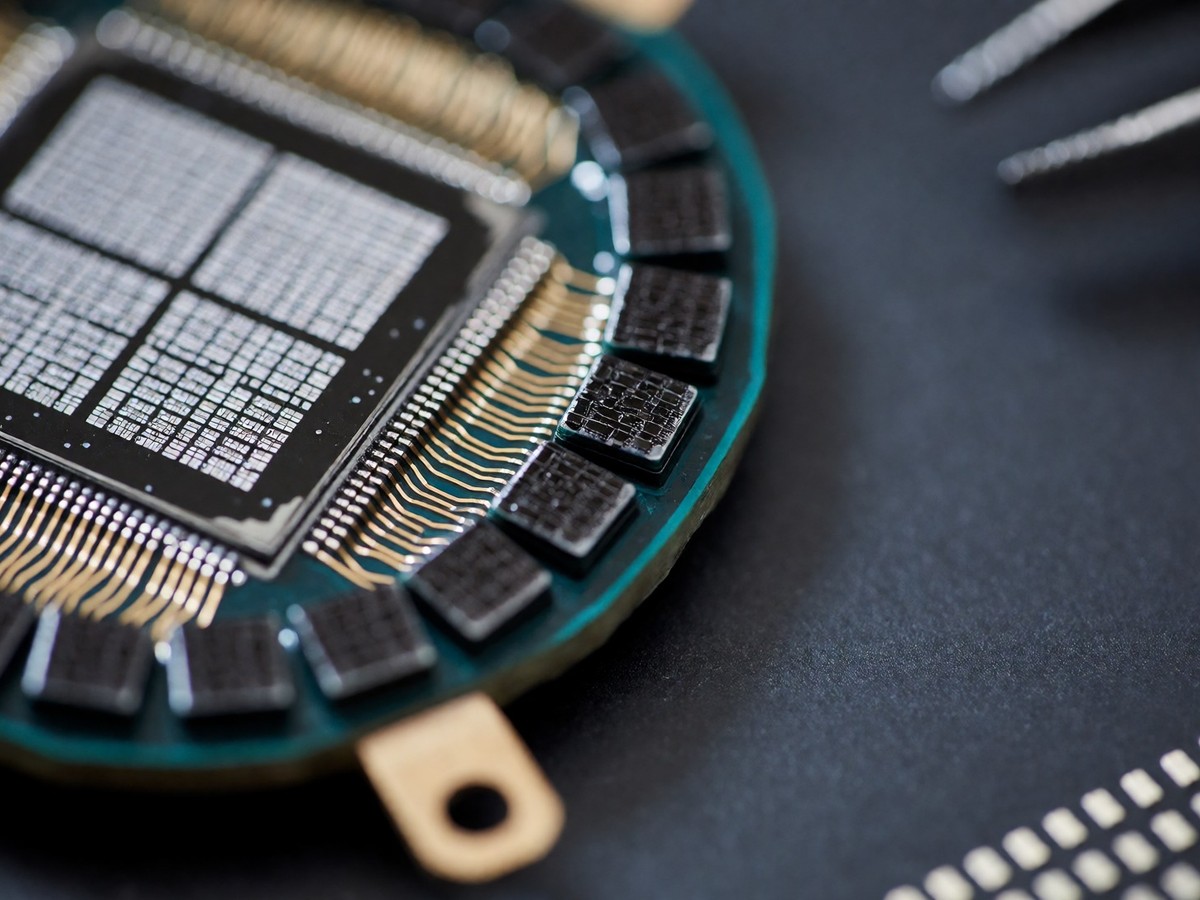
Amazon Trainium3 vs Google Trillium: AI training chip comparison
Amazon’s Trainium3 offers 30 to 40 percent more price-performance than its predecessor, while Google’s Trillium provides 4x training performance improvements for models…
-
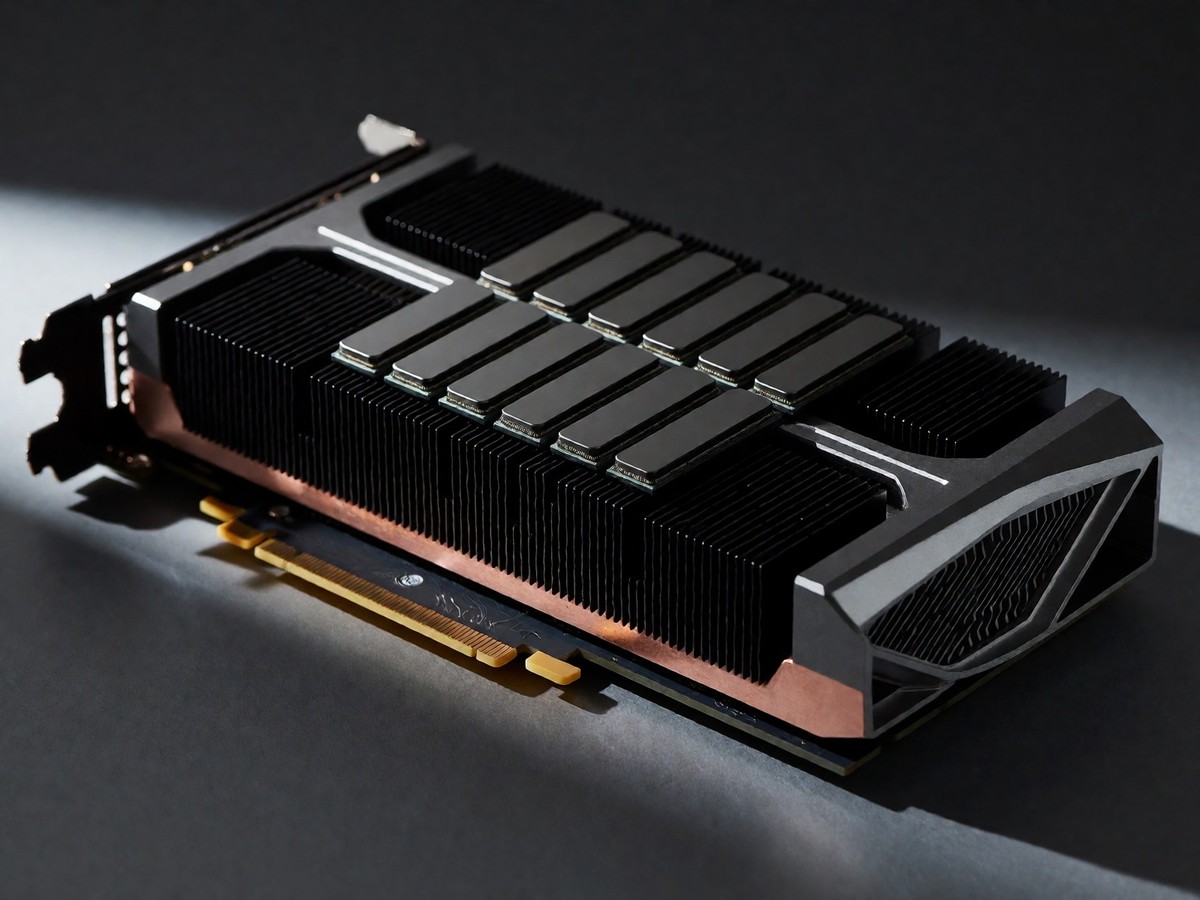
AMD MI350X vs Intel Gaudi 3: TCO for Llama 4 Clusters
AMD’s MI350X offers superior VRAM capacity and bandwidth for Meta’s Llama 4 Maverick models compared to Intel Gaudi 3. While Gaudi 3…
-
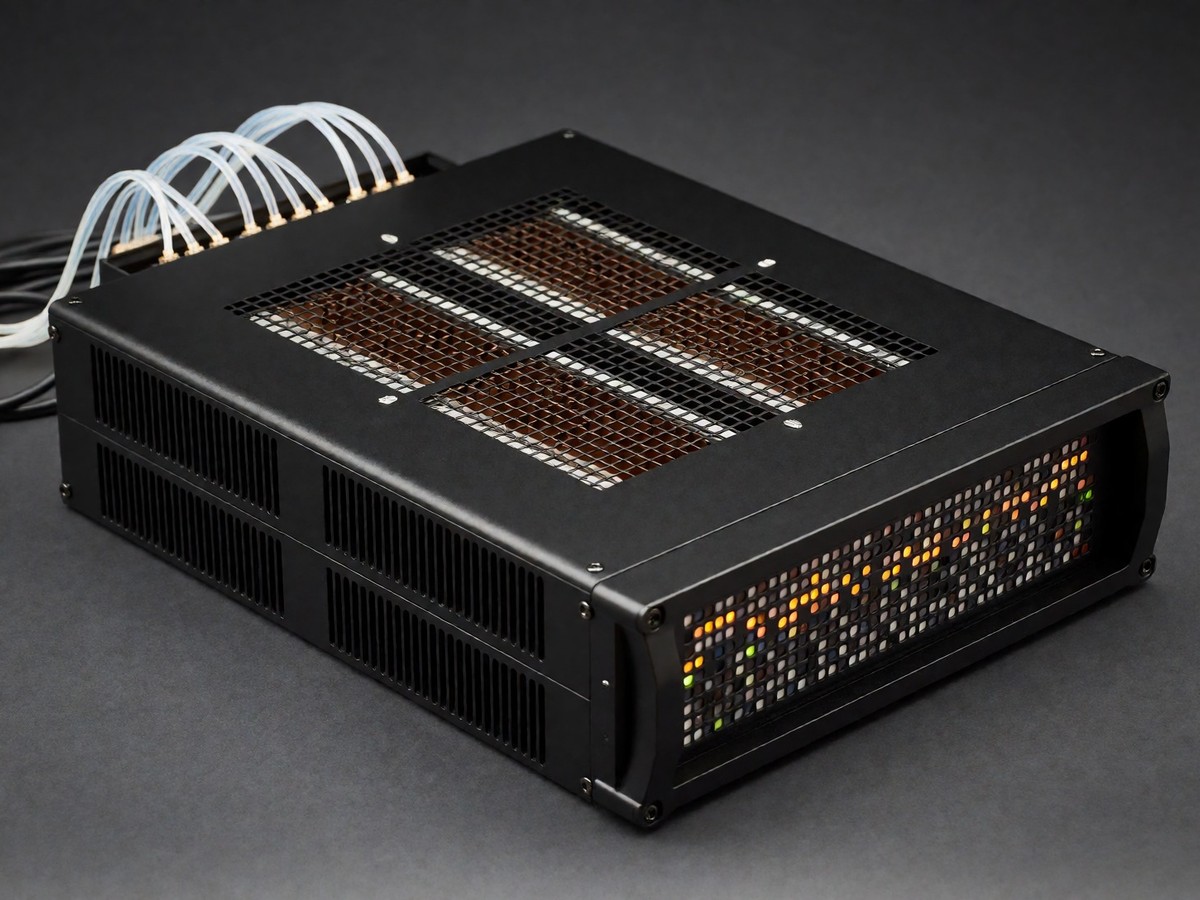
High-efficiency inference with Positron Atlas
The Positron Atlas accelerator delivers 280 tokens per second per user for Llama 3.1 8B while using only 33% of the power…
-
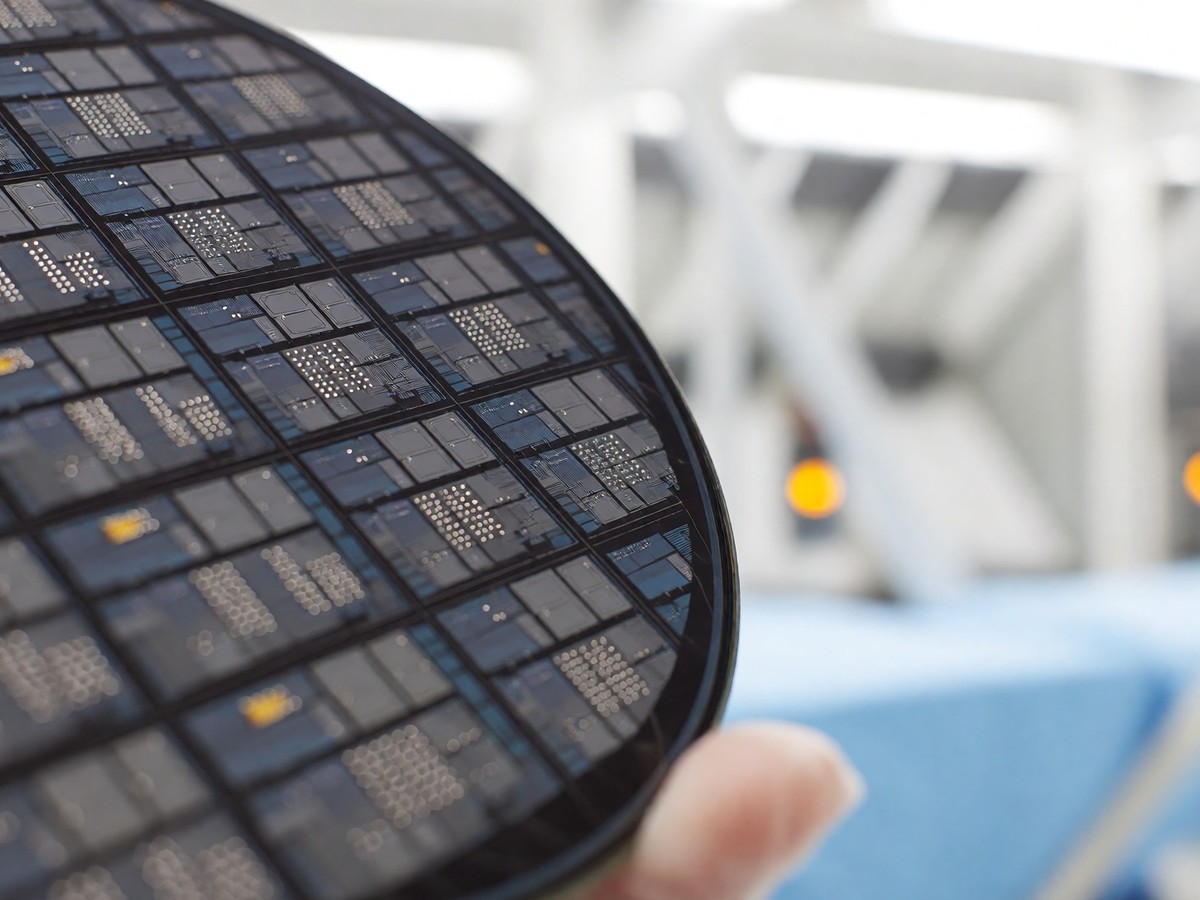
NVIDIA Blackwell Ultra supply chain risks and OpenAI Stargate delivery
OpenAI’s $500 billion Stargate project faces critical delivery risks from TSMC CoWoS packaging bottlenecks, HBM memory shortages, and regulatory delays in New…
-
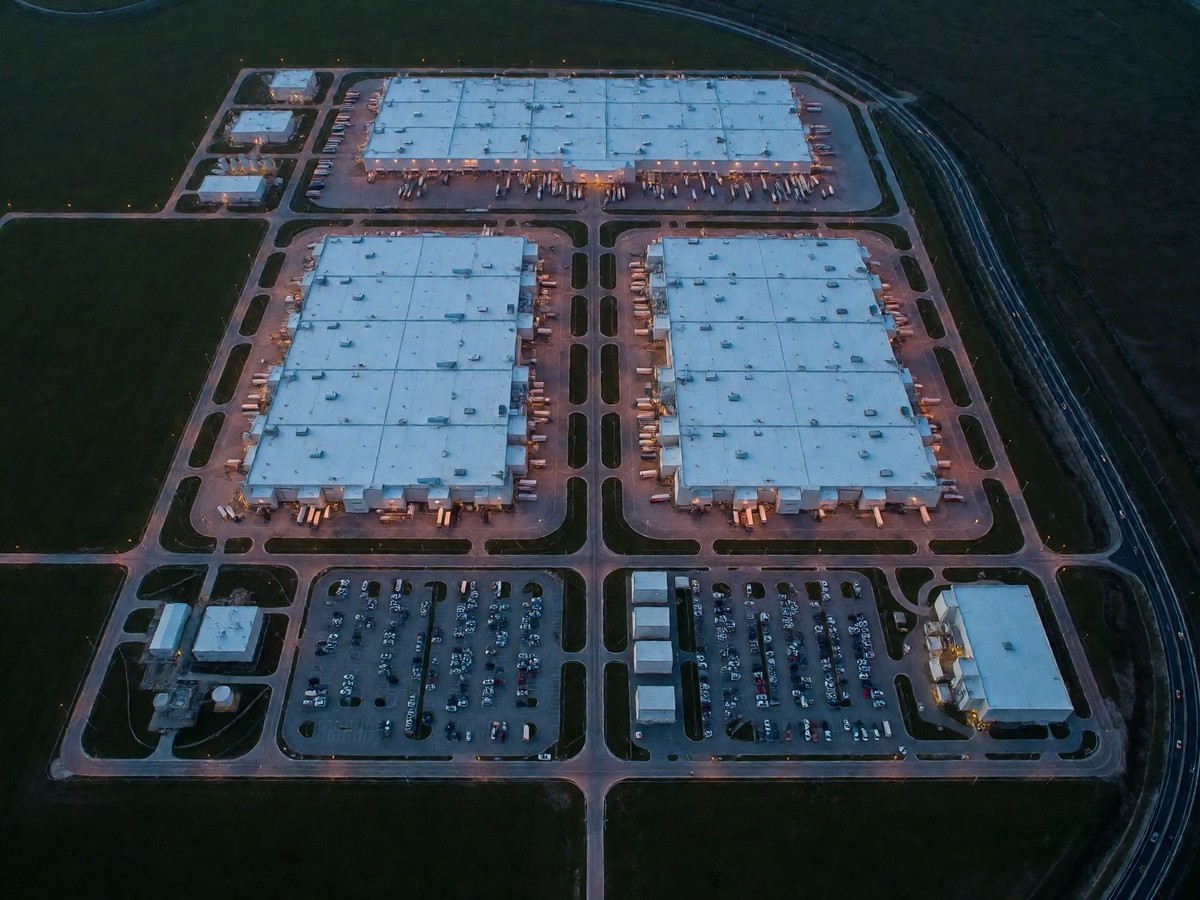
TSMC A16 yields and Intel 18A capacity for AI accelerators
TSMC maintains a manufacturing lead with N2 yield rates between 70% and 80%, while Intel’s 18A process targets low defect density for…
-
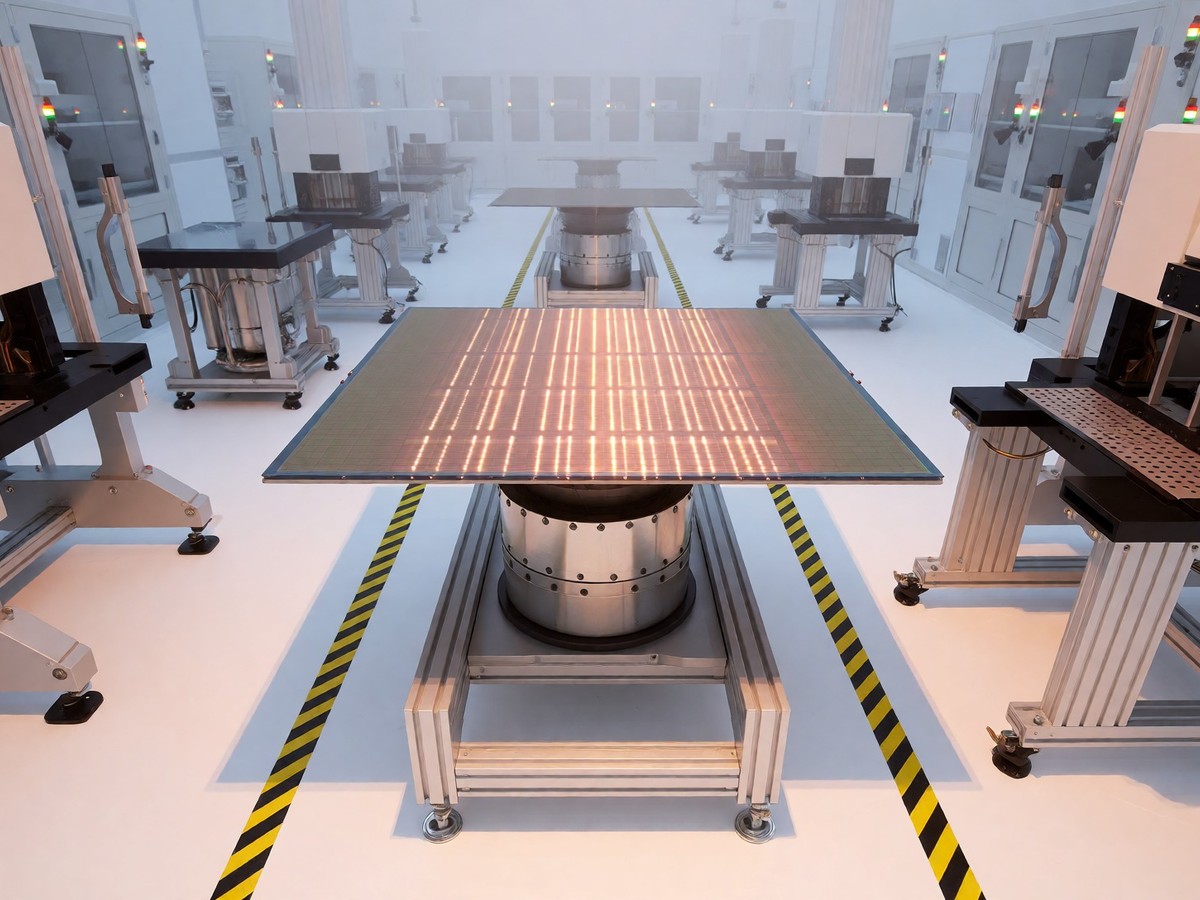
The memory wall and the Cerebras Wafer Scale Engine 3
The Cerebras WSE-3 overcomes the memory wall by providing 21 petabytes per second of on-chip bandwidth. This wafer-scale architecture delivers significantly higher…
-

How to get started with Modular’s MAX Engine for Apple Silicon
Learn how to deploy LLMs and diffusion models using the Modular MAX engine on Apple M-series chips. The M5 chip provides up…